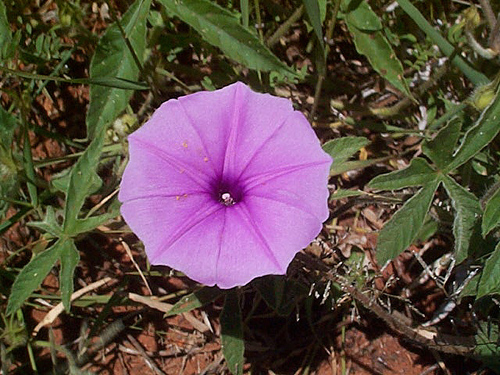
Ipomoea asarifolia
(Desr.) Roem. & Schult.
Ginger-leaf morning glory
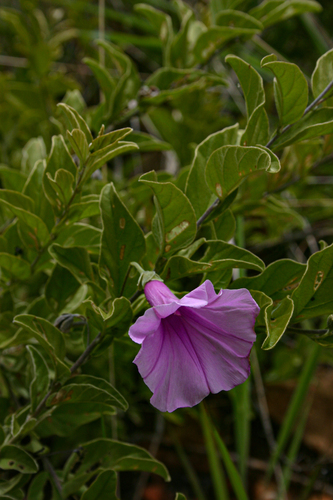
iNaturalist· cc-by-nc
(c) ASSEDE Eméline S.P., some rights reserved (CC BY-NC), uploaded by ASSEDE Eméline S.P.
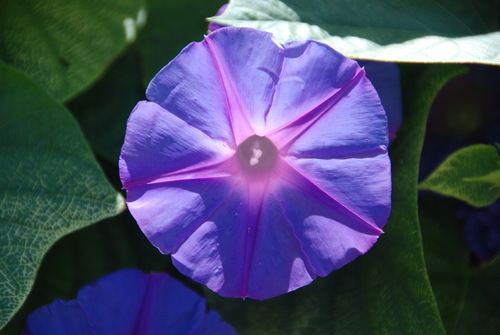
iNaturalist· cc-by-nc
(c) Green Jewel, some rights reserved (CC BY-NC)
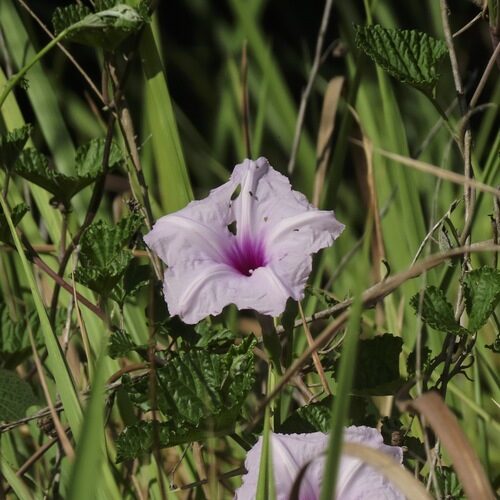
iNaturalist· cc-by
(c) Karim Haddad, some rights reserved (CC BY)
Summary
Source: WikipediaIpomoea asarifolia, known as the ginger-leaf morning-glory, is a species of plant in the family Convolvulaceae, of the genus Ipomoea.
Description
A twining herb. The stems are 4-6 mm across. The leaves are 12 cm long by 12 cm wide. They can be round or kidney shaped.
This description is brief — help expand it
Edible Uses
Leaves - cooked and eaten as a vegetable. This plant should be eaten with caution, see the notes above on toxicity.
Traditional Uses
The leaves are cooked and eaten.
This uses section is brief — help expand it
Medicinal Uses
Ipomoea asarifolia lives symbiotically with the fungus Periglandula ipomoeae, which biosynthesizes ergoline alkaloids such as D-lysergic acid α-hyroxyethylamide as well as indole diterpene alkaloids. Periglandula ipomoeae was found on the following six organs: young leaves, mature leaves, flower buds, mature flowers, young seeds, and mature seeds. Ipomoea asarifolia causes a tremorgenic syndrome if ingested by Capra hircus (domestic goat), but the reason for this is unknown. The effect has been attributed to tremorgenic phytotoxins or mycotoxins. In one study, dried samples of Ipomoea asarifolia were found to contain swainsonine, but the concentration was less than 0.001%.
Known Hazards
A purgative toxic resin is probably present in the plant. It is said to cause diarrhoea in horses if accidentally grazed, and madness and death in camels, but camels are recorded to eat it in Senegal and sheep sometimes eat it in Mauritania.
Distribution
It is a tropical plant. It grows in woodland and palm groves. It can be in flooded rice fields and other disturbed ground.
Where It Grows
Africa, Argentina, Benin, Brazil, Burkina Faso, Guinea, Guinée, Guinea-Bissau, Guyana, Mali, Paraguay, South America*, Venezuela, West Africa,
Other Uses
A decoction of the plant is used to stain cloths and the hair black. The ashes of the plant are mixed with indigo to provide a blue dye for cloth, or ashes of the leaves can be used on their own. The long stems are used as ties for tying up produce. The dried stems are used as a tinder. The leaves are sometimes used to wrap the feet or hands in applying henna. The plant trails over the ground and makes a good sandbinder on sand dunes.
Notes
It has medicinal properties and can abortions.
Synonyms
Also Known As
Batata-brava, Eraraque, Forokofaraka, Lacacon, Lokoko, N'tome, Untome
References (2)
- Achigan-Dako, E, et al (Eds), 2009, Catalogue of Traditional Vegetables in Benin. International Foundation for Science.
- Diarra, N. et al, 2016, Etude ethnobotanique des plantes alimentaires utilisées en période de soudure dans les régions Sud du Mali. Int. J. Biol. Chem. Sci. 10(1): 184-197