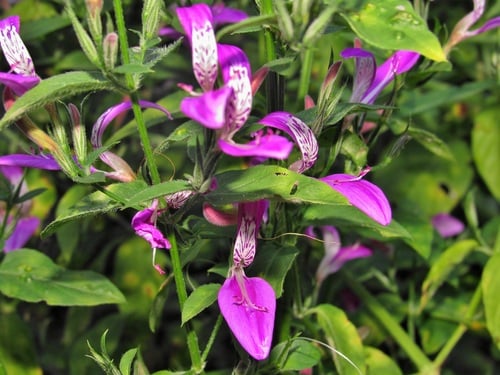
Eremomastax speciosa
(Hochst.) Cufod.
iNaturalist· cc-by-nc
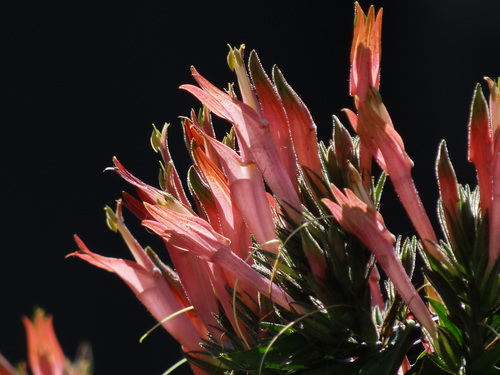
(c) Jonathan Newman, some rights reserved (CC BY-NC), uploaded by Jonathan Newman
iNaturalist· cc-by-nc
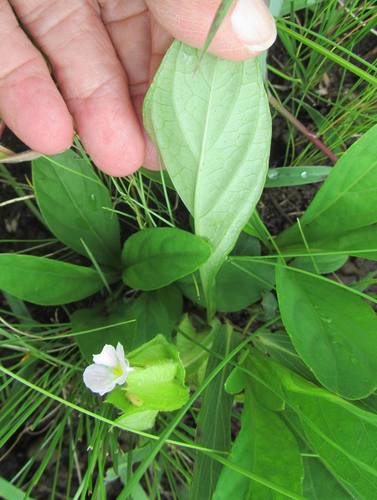
(c) Ronan A., some rights reserved (CC BY-NC)
iNaturalist· cc-by-nc
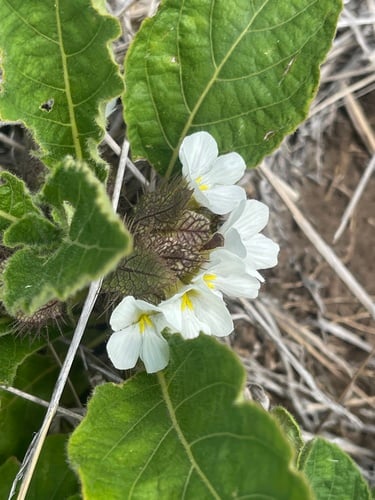
(c) Ronan A., some rights reserved (CC BY-NC)
Description
A stout, many-branched herb in the Acanthaceae family found in the forest zone of West Africa.
This description is brief — help expand it
Edible Uses
The leaves are eaten as a vegetable, though caution is advised in their preparation or use.
Distribution
A tropical plant. It grows in the forest zone in West Africa.
Where It Grows
Africa, Cameroon, Central Africa, Congo, Côte d'Ivoire, Ghana, Guinea, Guinée, Ivory Coast, Nigeria, Sierra Leone, West Africa,
Synonyms
Paulowilhelmia polysperma Benth.Eremomastax polysperma (Benth.) Dandy
Also Known As
Madubiri, Wotiai
References (5)
- Burkill, H. M., 1985, The useful plants of west tropical Africa, Vol. 1. Kew.
- Grubben, G. J. H. and Denton, O. A. (eds), 2004, Plant Resources of Tropical Africa 2. Vegetables. PROTA, Wageningen, Netherlands. p 561
- Jardin, C., 1970, List of Foods Used In Africa, FAO Nutrition Information Document Series No 2.p 76 (As Eremomastax polysperma)
- Martin, F.W. & Ruberte, R.M., 1979, Edible Leaves of the Tropics. Antillian College Press, Mayaguez, Puerto Rico. p 171 (As Eremomastax polysperma)
- World Checklist of Useful Plant Species 2020. Royal Botanic Gardens, Kew