Eragrostis falcata
(Gaudich.) Gaudich. ex Steudel
Sickle Lovegrass, Mallee lovegrass
iNaturalist· cc-by
(c) Kym Nicolson, some rights reserved (CC BY), uploaded by Kym Nicolson
iNaturalist· cc-by-nc
(c) lesgeorge, some rights reserved (CC BY-NC)
Description
An erect tufted grass. It keeps growing from year to year. The stem are slender and rise from a bulb like base. The leaf blades are very narrow. They are 2-8 cm long. The flowering stalk is a loose panicle 5-20 cm long. The spikelets are widely spaced. They are 5-15 mm long and narrow. They are slightly curved when mature.
Edible Uses
The seeds are eaten as a cereal.
Distribution
It grows in light and medium textured soils. They are often in low and medium rainfall areas. It can grow in arid places.
Where It Grows
Australia*,
Notes
There are about 300 Eragrostis species.
References (9)
- Cancilla, D., 2018, Ethnobotanical and Ethnozoological Values Desktop Assessment - Eliwana Project. p 11
- Cherikoff V. & Isaacs, J., The Bush Food Handbook. How to gather, grow, process and cook Australian Wild Foods. Ti Tree Press, Australia p 189
- Kenneally, K.E., Edinger, D. C., and Willing T., 1996, Broome and Beyond, Plants and People of the Dampier Peninsula, Kimberley, Western Australia. Department of Conservation and Land Management. p 220
- Latz, P.K., 1996, Bushfires and Bushtucker: Aboriginal plant use in Central Australia. IAD Press Alice Springs p 168
- Lazarides, M. & Hince, B., 1993, Handbook of Economic Plants of Australia, CSIRO. p 92
Show all 9 references Hide references
- Paczkowska, G. & Chapman, A.R., 2000, The Western Australian Flora. A Descriptive Catalogue. Western Australian Herbarium. p 105
- Petheram, R.J. and Kok, B., 2003, Plants of the Kimberley Region of Western Australia. UWA Press p 133
- Smith, K & I., 1999, Grow your own bushfoods. New Holland. Australia. p 88
- Wheeler, J.R.(ed.), 1992, Flora of the Kimberley Region. CALM, Western Australian Herbarium, p 1164
More from Poaceae
Phyllostachys rutila
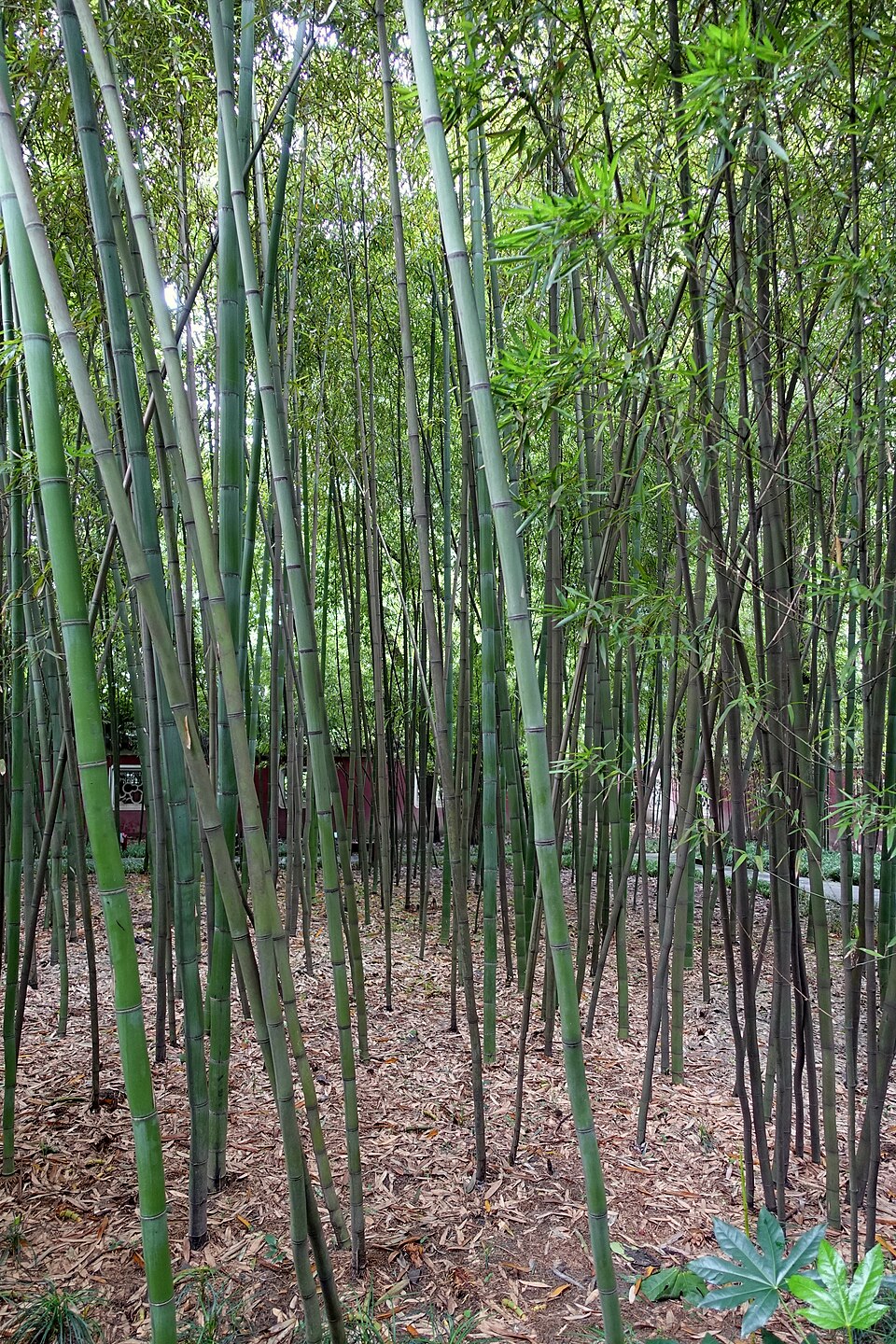
Phyllostachys tianmuensis
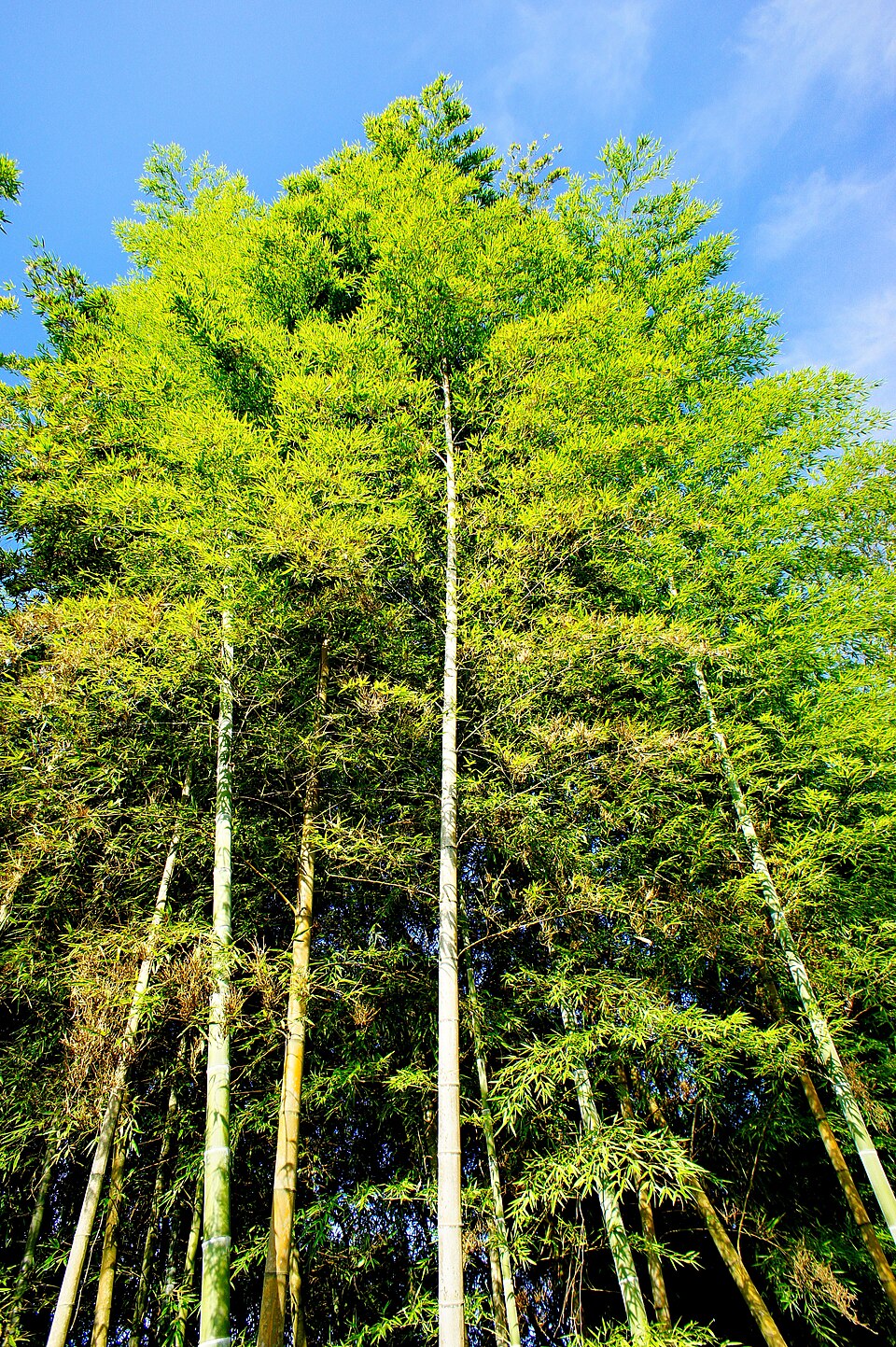
Phyllostachys violascens
Early bamboo, Running bamboo
Phyllostachys viridiglaucescens
Farinose bamboo, Greenwax golden bamboo
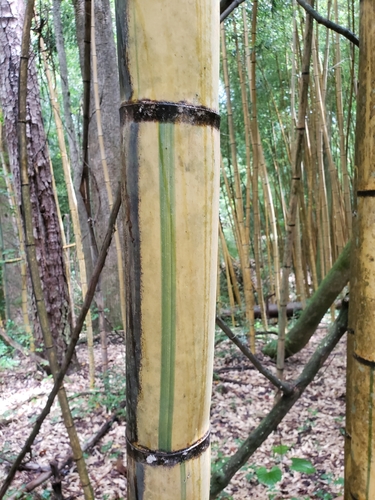
Phyllostachys viridis
Green sulphur, Chinese running green bamboo
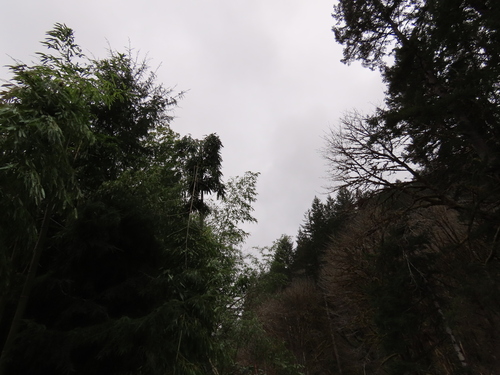
Phyllostachys vivax
Elegant bamboo, Vivax bamboo, Smooth sheathed bamboo