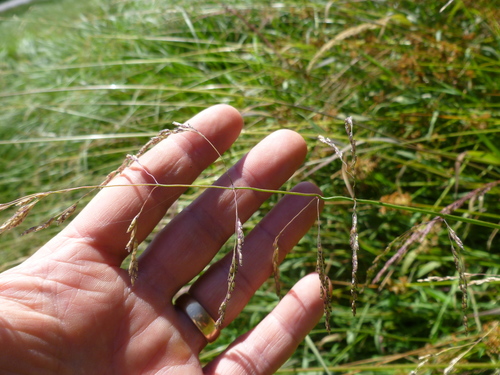
Bambusa atra
Lindley
Long pipe bamboo, New Guinea thin-walled bamboo
iNaturalist· cc-by-nc
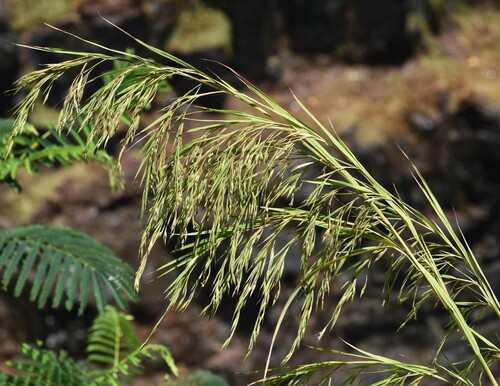
(c) abcdefgewing, some rights reserved (CC BY-NC)
iNaturalist· cc-by-nc
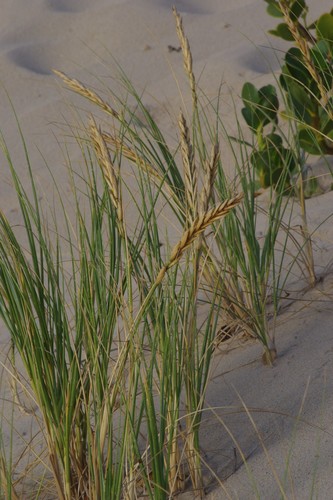
(c) Pete Woodall, some rights reserved (CC BY-NC)
iNaturalist· cc-by-nc
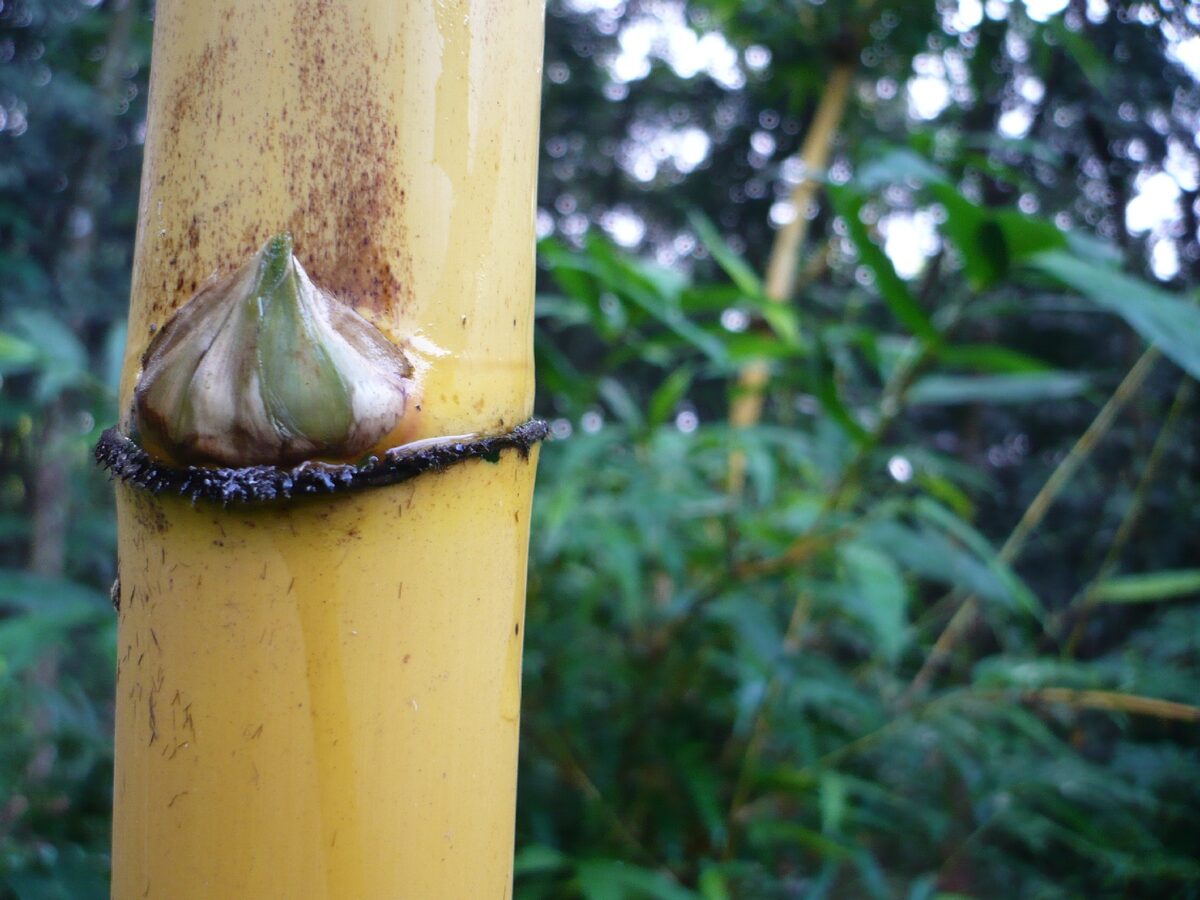
(c) Pete Woodall, some rights reserved (CC BY-NC)
Summary
Source: WikipediaBambusa atra is a fast-growing evergreen bamboo reaching 8 m tall with a 2 m spread. Hardy to UK zone 10. It thrives in light sandy, medium loamy, and heavy clay soils across mildly acidic to very alkaline pH ranges. Requires full sun and moist to wet soil conditions.
Description
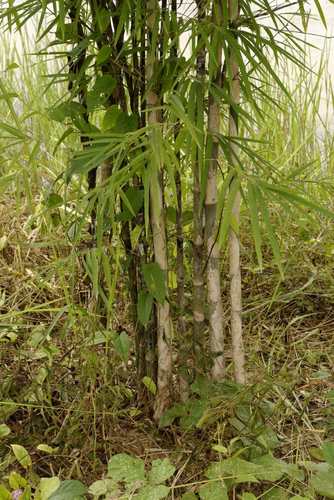
A bamboo. The stems are 5-8 m tall and 204 cm wide. They are green and can have yellow stripes. The internodes are 40-70 cm long. Young shoots are slender. The leaf blades are 30 cm long by 5 cm wide. They are pale green underneath. The culm sheaths are 60 cm long by 10 cm wide. It flowers regularly but doesn't always produce seeds.
Edible Uses
Edible Parts: Seed Shoots Edible Uses: Edible Portion: Shoots, Cereal, Seeds.
Medicinal Uses
None known
Distribution
It is a tropical plant. It grows in the lowlands and usually in wet soil. It can grow on limestone.
Where It Grows
Asia, India, Indochina, Indonesia, Myanmar, Papua New Guinea, SE Asia, Vietnam,
Cultivation
This species, however, is reported to flower regularly in cultivation without dying, though these specimens do not set seed. Carbon Farming - Cultivation: minor global crop. Management: managed multistem.
Propagation
Seed
Other Uses
Basketry Biomass String Tinder The thin-walled culm is used locally in basketry and other handicrafts. The culm is used for making water pipes, arrow heads and as a casual drinking vessel. Strips of the culms are used as binding material in roofings, fish traps and screens. The dead canes of this species are useful when lighting camp fires, even in wet weather. Carbon Farming - Industrial Crop: biomass. Other Systems: strip intercrop, multistrata. Special Uses Carbon Farming Food Forest
Notes
There are about 120 Bambusa species. They are tropical and subtropical in Asia.
Synonyms
Also Known As
Guagua bamboo, Loleba, Nena
References (4)
- Dransfield, S. & Widjaja, EA., 1995, Plant Resources of South East Asia. PROSEA No. 7 Bamboos. Leiden. p 53
- Martin, F.W. & Ruberte, R.M., 1979, Edible Leaves of the Tropics. Antillian College Press, Mayaguez, Puerto Rico. p 194
- Penny Cycl. 3:357. 1835
- Terra, G.J.A., 1973, Tropical Vegetables. Communication 54e Royal Tropical Institute, Amsterdam, p 27