Synsepalum dulciferum
Schumach. & Thonn.) Daniell.
Miracle Berry
No photos yet for Synsepalum dulciferum
Sign in to contribute a photoDescription
Synsepalum dulciferum is an evergreen Shrub growing to 4 m (13ft) by 4 m (13ft) at a fast rate. See above for USDA hardiness. It is hardy to UK zone 10. Suitable for: light (sandy), medium (loamy) and heavy (clay) soils and prefers well-drained soil. Suitable pH: mildly acid and neutral soils and can grow in very acid soils. It cannot grow in the shade. It prefers moist or wet soil.
Edible Uses
Sweetener. Fruit - raw. The thin-skinned fruit has a sweet, fleshy pulp. The ripe fruit, although not itself that sweet to taste, has the ability to modify the taste receptors in the mouth, causing foods to taste sweeter. The effect lasts for up to an hour after consuming the fruit and will, for example, make lemons, vinegar and other acid foods taste sweet. Sweet foods, such as ice cream, will taste cloyingly sweet. The oblong fruit is about 20mm x 10mm. The berries contain miraculin which is the active principle that makes bitter, sour and salty food taste sweet by affecting the taste-buds. In this manner used for 'sweetening' palm wine, sour fruits and other drinks or food. Additionally a glucoprotein is present that depresses the appetite.
Distribution
Western and Central Tropical Africa.
Where It Grows
AFRICA: Western and Central Tropical Africa.
Cultivation
A plant of the hot, wet, tropical lowlands. Plants are intolerant of frost. Prefers a humus-rich acid soil. Grows well in light shade. Seedling plants can commence fruiting when about 4 - 5 years old. Plants can flower several times a year.
Propagation
Seed -
Other Uses
Fuel Teeth Other Uses: The twigs are used as chew sticks to clean the teeth. The wood is used for fuel.
Synonyms
Also Known As
Miracle fruit, Miracle berry, Miraculous berry, Sweet berry in West Africa, Agbayun, Taami, Asaa, and Ledidi.
More from Sapotaceae
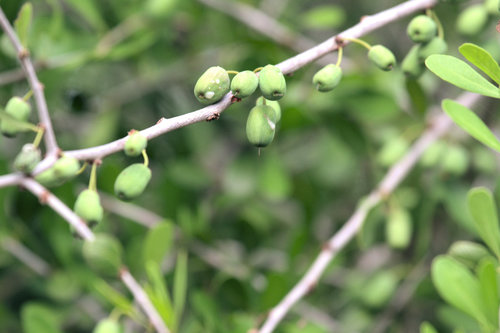
Sideroxylon celastrinum
Brownward plum, Camiche, Coma, Guamachito
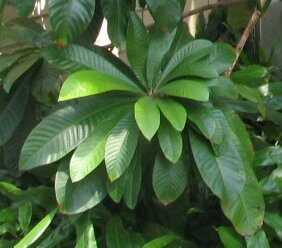
Sideroxylon eucoriaceum
Leathery jungleplum
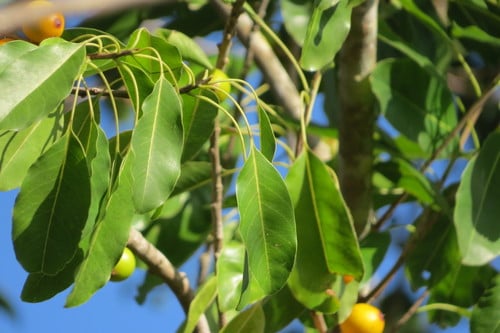
Sideroxylon foetidissimum
Mastic, Mastic jungleplum
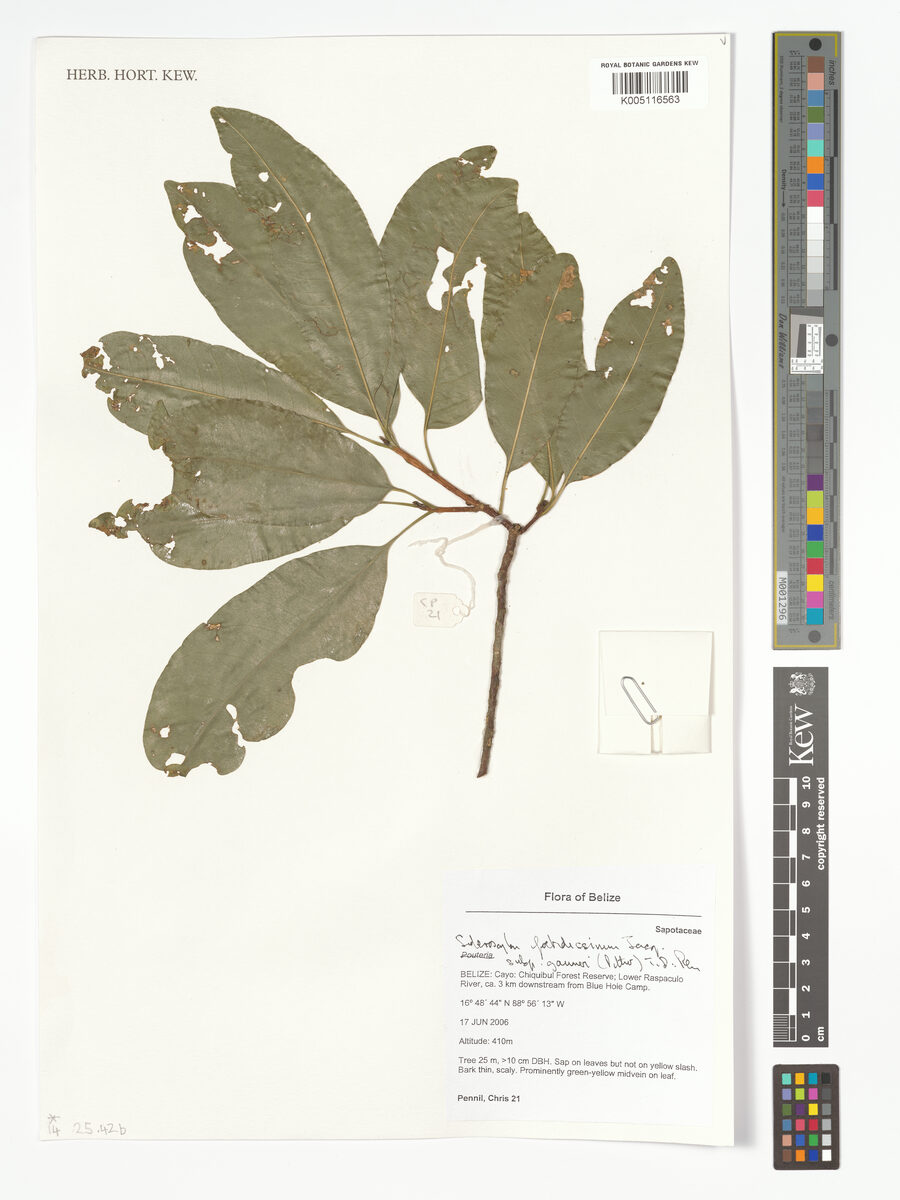
Sideroxylon foetidissimum subsp. gaumeri
Tortugo amarillo, False mastic
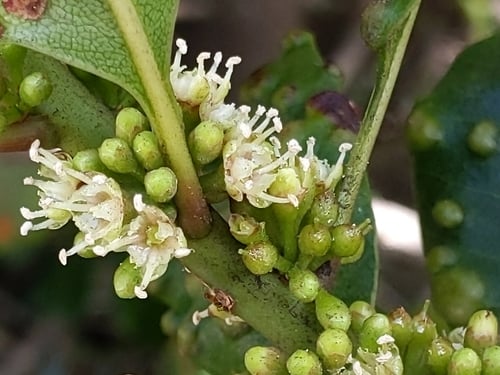
Sideroxylon inerme
Milkweed, White milkwood
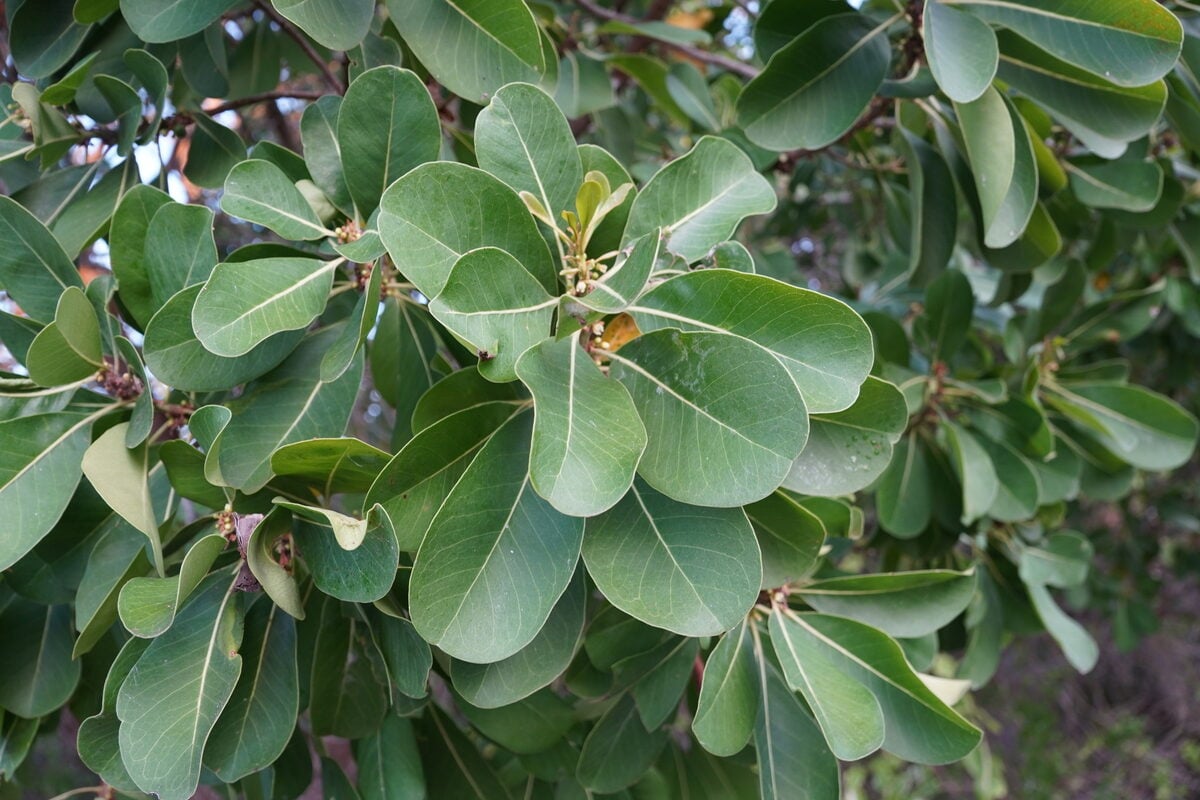
Sideroxylon inerme subsp. diospyroides