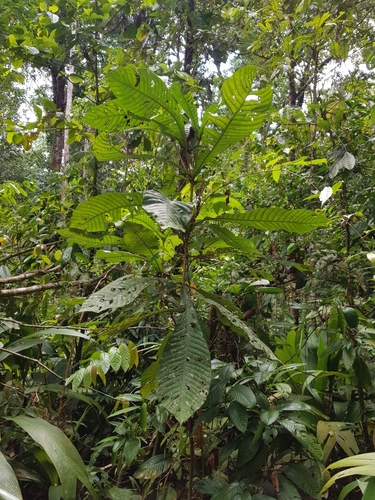
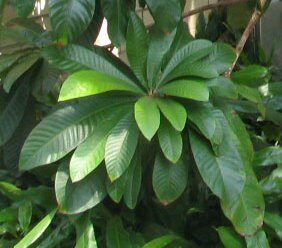
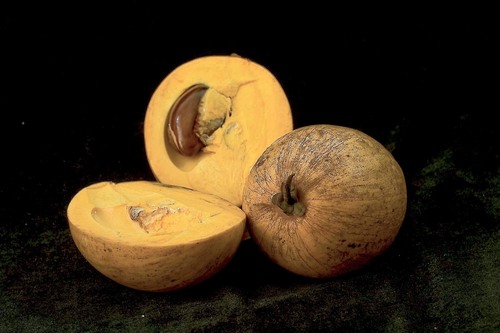
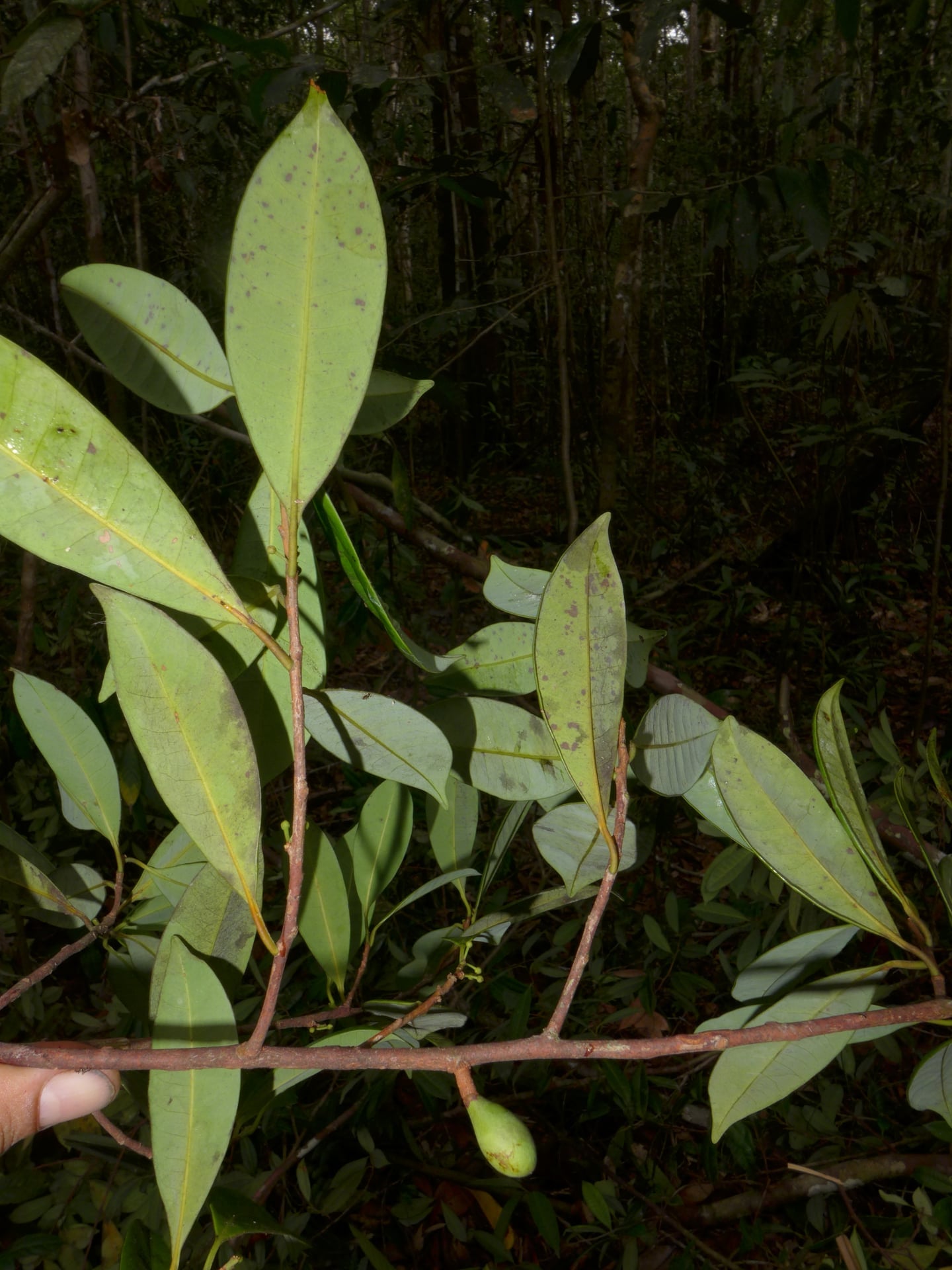
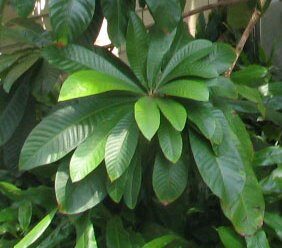
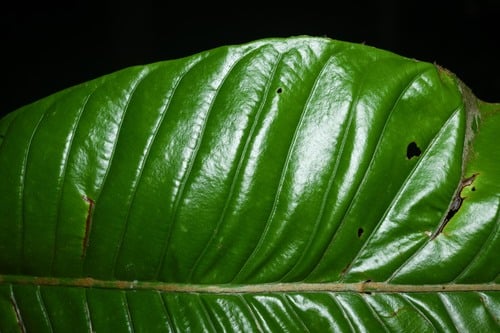
Chrysophyllum sanguinolentum
(Pierre) Baehni
Balata-balli
iNaturalist· cc-by-nc
(c) ishpingo, some rights reserved (CC BY-NC)
iNaturalist· cc-by-nc
(c) ishpingo, some rights reserved (CC BY-NC)
iNaturalist· cc-by-nc
(c) ishpingo, some rights reserved (CC BY-NC)
Description
A tree. It grows 35 m tall. The trunk is 50 cm across. It has small buttresses 75 cm high. . There are 10-20 flowers in a group. The fruit are round or oval and 4-6 cm long by 5-7 cm wide. They are pale brown The pulp is tough and pale green and edible.
Edible Uses
The sweet-tasting fruit is eaten; the pulp is the edible portion.
Traditional Uses
The fruit are sweet tasting.
This uses section is brief — help expand it
Medicinal Uses
None mentioned.
Known Hazards
None mentioned.
Distribution
A tropical plant.
Where It Grows
Amazon, Brazil, Colombia, Ecuador, French Guiana, Guianas, Guyana, Peru, South America*, Suriname, Venezuela,
Other Uses
A balata-like substance is obtained from the stems. Balata is a gum or latex made from tree sap and resembling rubber. It is used for making gaskets, chewing gum and as a gutta-percha substitute.
Notes
There are about 80-150 Chrysophyllum species. They are mostly in tropical America. There are 44 species in tropical America.
Synonyms
Also Known As
Abio, Balata, Barataballi, Jaija'otoa, Sinti yura, Swit'anini, Switi-amini, Ucuquirana verdadeira, Yugo
References (7)
- Grandtner, M. M. & Chevrette, J., 2013, Dictionary of Trees, Volume 2: South America: Nomenclature, Taxonomy and Ecology. Academic Press p 131
- Kermath, B. M., et al, 2014, Food Plants in the Americas: A survey of the domesticated, cultivated and wild plants used for Human food in North, Central and South America and the Caribbean. On line draft. p 227
- Lopez-Diago, D. & Garcia, N., 2021, Wild edible fruits of Colombia. Biota ColomBiana 22 (2) p 51
- Pennington, T.D., 1990, Sapotaceae in Flora Neotropica Monograph 52. New York Botanical Gardens. p 585
- Roa, J. A. G. & Boada, D. S. G., 2018, Fundación para el Fortalecimiento de la Fruticultura y Plantas Alimenticias no Convencionales en Colombia.
Show all 7 references Hide references
- Torre, de la, L., et al, 2008, Enciclopedia de las Plantas Útiles del Ecuador. Herbario QCA. Pontificia Universidad Católica del Ecuador. p 570
- Van Roosmalen, M.G.M., & Garcia, O. M., 2000, Fruits of the Amazonian Forest. Part 2: Sapotaceae. Acta Amazonica 30(2): 187-290