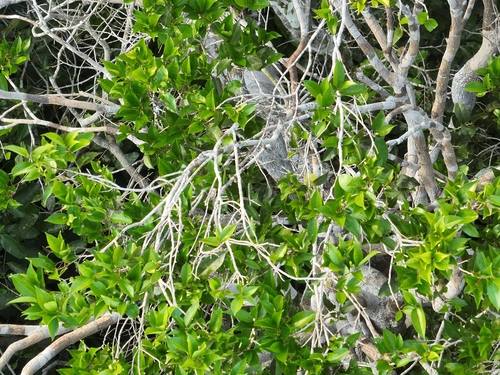
Chrysophyllum sanguinolentum subsp. balata
(Ducke) Pennington
gbif· cc-by-nc
KAIO CESAR MARINHO DA CUNHA
gbif· cc-by-nc
KAIO CESAR MARINHO DA CUNHA
gbif· cc-by-nc
KAIO CESAR MARINHO DA CUNHA
Description
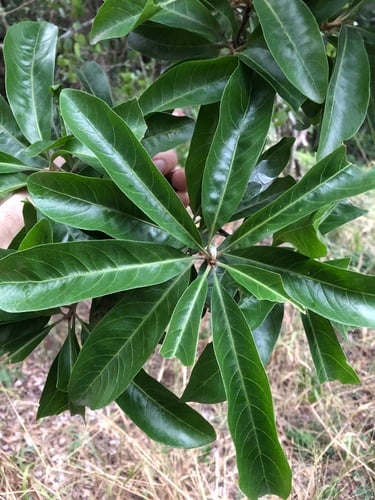
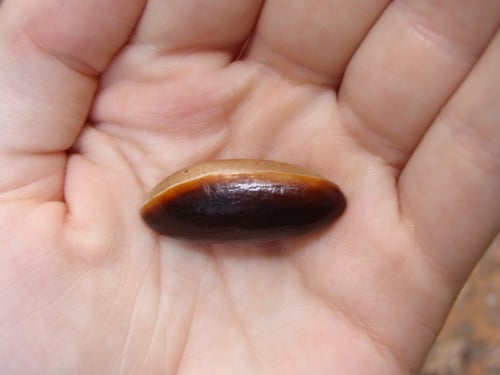
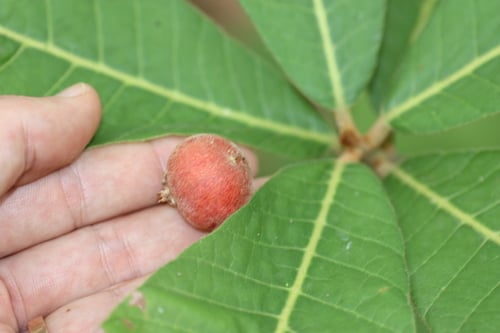
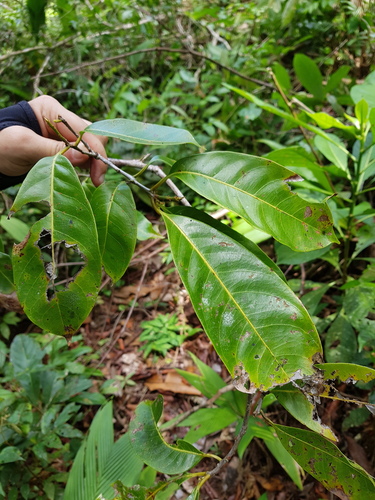
A tree. It grows 35 m tall. The trunk is 50 cm across. It has small buttresses. The leaves are very large and have rusty or silvery flattened hairs underneath. There are 10-20 flowers in a group. The ripe fruit are yellowish-brown. They are a flattened round shape and 3 cm long by 4 cm wide. There are 4-5 seeds.
Edible Uses
The fruit is eaten.
Medicinal Uses
None mentioned.
Known Hazards
None mentioned.
Distribution
A tropical plant. It grows up to 200 m above sea level. It can be in flooded and un-flooded land.
Where It Grows
Amazon, Brazil, Colombia, Ecuador, Guianas, Guyana, Peru, South America, Venezuela,
Notes
There are about 80-150 Chrysophyllum species. They are mostly in tropical America. There are 44 species in tropical America.
Synonyms
Also Known As
Balata-braba, Balata branca, Ocuquirana, Ucuquirana
References (4)
- Grandtner, M. M. & Chevrette, J., 2013, Dictionary of Trees, Volume 2: South America: Nomenclature, Taxonomy and Ecology. Academic Press p 131
- Kermath, B. M., et al, 2014, Food Plants in the Americas: A survey of the domesticated, cultivated and wild plants used for Human food in North, Central and South America and the Caribbean. On line draft. p 227
- Pennington, T.D., 1990, Sapotaceae in Flora Neotropica Monograph 52. New York Botanical Gardens. p 587
- Van Roosmalen, M.G.M., & Garcia, O. M., 2000, Fruits of the Amazonian Forest. Part 2: Sapotaceae. Acta Amazonica 30(2): 187-290