Epilobium pyrricholophum
Franch. & Sav.
iNaturalist· cc-by-nc
(c) 空猫 T. N, some rights reserved (CC BY-NC), uploaded by 空猫 T. N
iNaturalist· cc-by-nc
(c) 空猫 T. N, some rights reserved (CC BY-NC), uploaded by 空猫 T. N
iNaturalist· cc-by-nc
(c) Nadezhda Liksakova, some rights reserved (CC BY-NC), uploaded by Nadezhda Liksakova
Summary
Epilobium pyrricholophum is a perennial growing to 0.8 m (2 ft 6 in) tall with hermaphroditic flowers from July to October, pollinated by bees. It grows well in light sandy, medium loamy, and heavy clay soils with good drainage and tolerates mildly acidic to mildly alkaline pH. The plant adapts to semi-shade (light woodland) or full sun and prefers moist soil.
Description
A herb. It keeps growing from year to year. The stems are 25-80 cm tall. The leaves are crowded. They are 2-6 cm long by 1-2 cm wide. There are teeth along the edge. The flowering shoots and flowers are erect. The petals are link to purple.
Edible Uses
Young leaves and shoots are edible when cooked.
Traditional Uses
The leaves are eaten with oil and salt.
This uses section is brief — help expand it
Medicinal Uses
None known
Distribution
It is a temperate plant. It grows in wet places and along streams. In China it grows between 300-1,800 m above sea level. In Sichuan.
Where It Grows
Asia, China, Japan, Korea, Russia,
Cultivation
We have very little information on this species and do not know if it will be hardy in Britain, though judging by its native range it should succeed outdoors in most parts of this country. A very variable plant in the wild. The following notes are based on the general needs of the genus. Prefers a well-drained but moisture retentive soil in a sunny position. Succeeds in most soils.
Propagation
Sow seed directly in situ in early spring, or as soon as it ripens. Division can be done in spring or autumn. Larger clumps can be replanted straight into permanent positions, but smaller clumps are better potted up and grown on in a cold frame until well rooted, then planted out in spring.
Other Uses
None known
Notes
There are about 165 Epilobium species. They are mostly temperate.
References (2)
- Plants for a Future database, The Field, Penpol, Lostwithiel, Cornwall, PL22 0NG, UK. http://www.scs.leeds.ac.uk/pfaf/
- READ,
More from Onagraceae
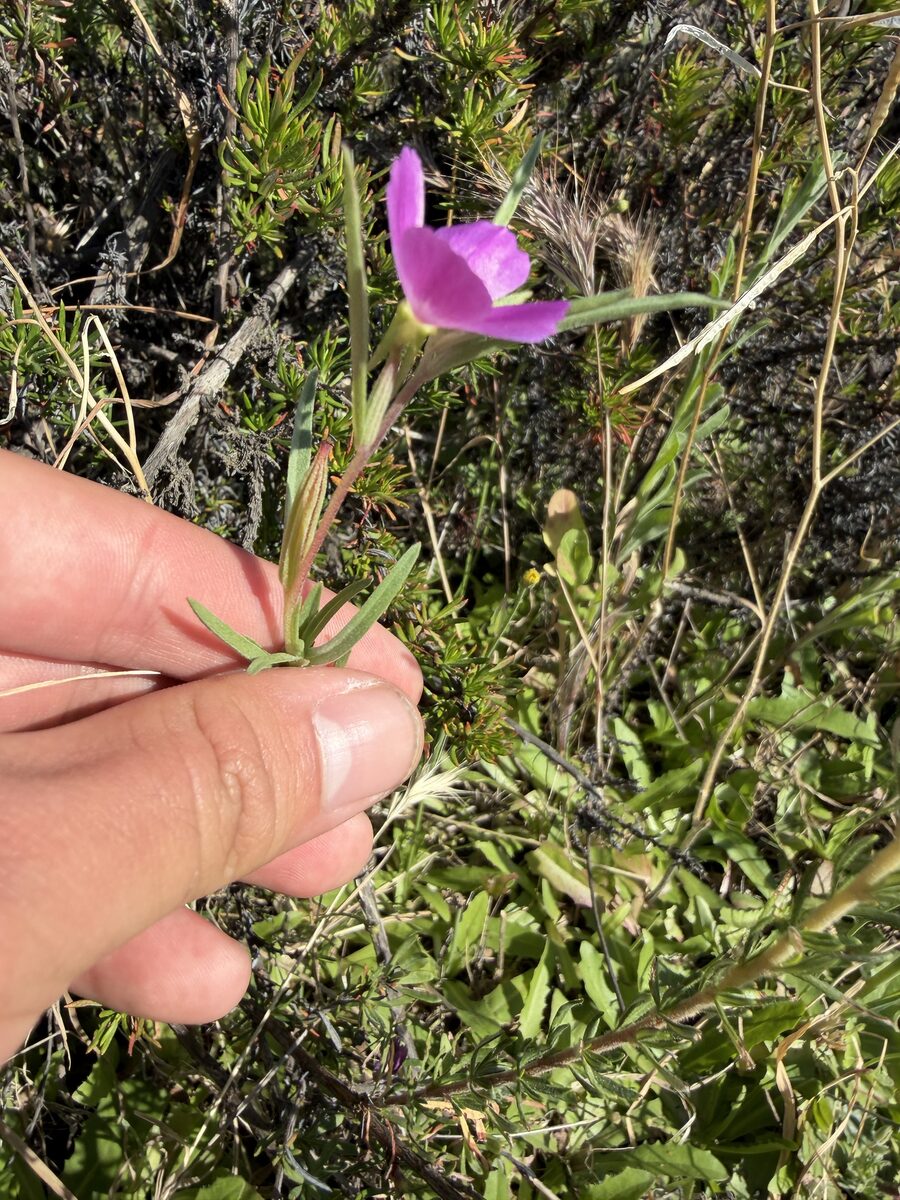
Clarkia purpurea subsp. quadrivulnera
Small flowered godetia
Clarkia rhomboidea
Diamond clarkia
Clarkia unguiculata
Elegant fairyfan

Epilobium angustifolium
Rose bay, Fireweed, Willow Herb, Great willowherb, French willow
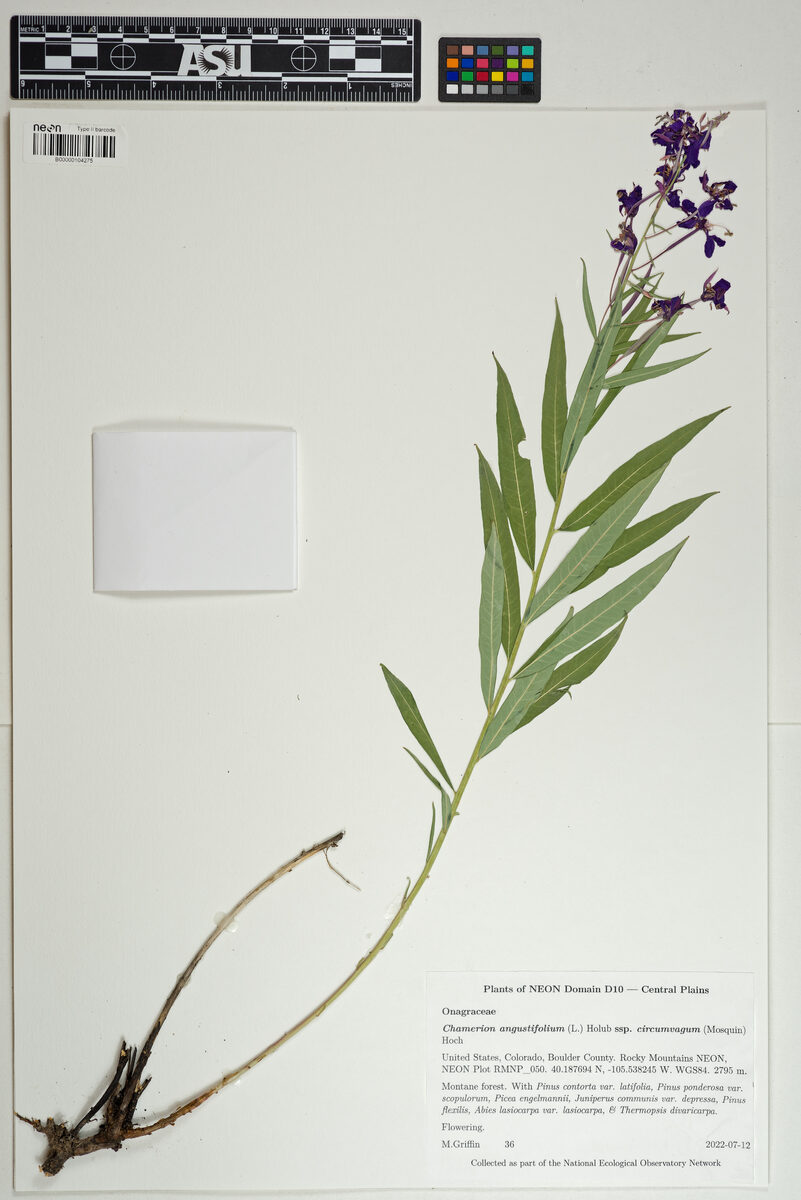
Epilobium angustifolium subsp. circumvagum
Rosebar willow-herb, Fireweed
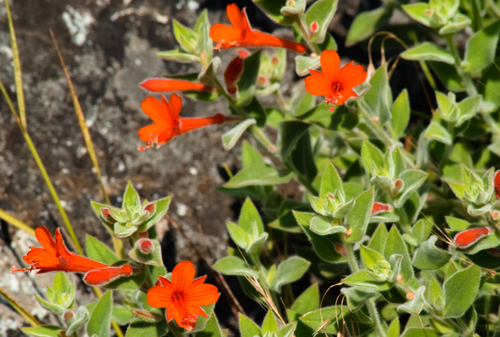
Epilobium canum subsp. latifolium
Hummingbird trumpet