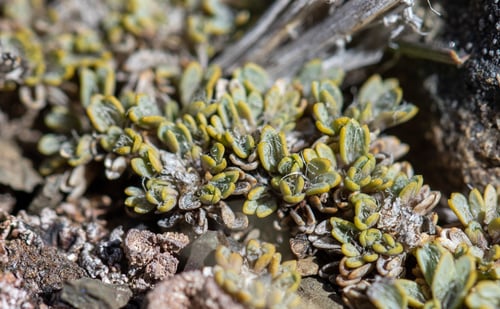
Pimpinella heyneana
Wall.
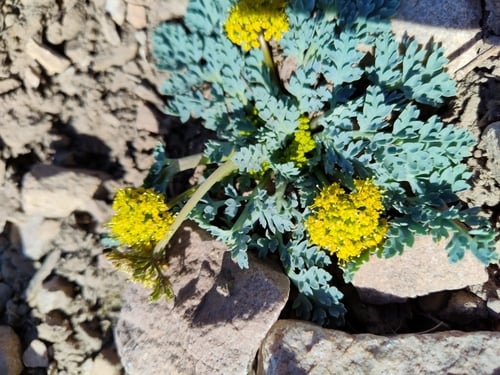
iNaturalist· cc-by-nc
(c) shivaprakash, some rights reserved (CC BY-NC)
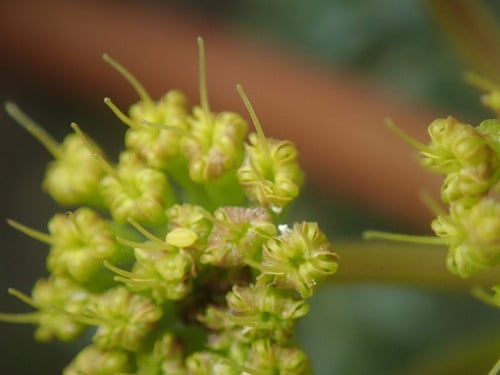
iNaturalist· cc-by-nc
(c) shivaprakash, some rights reserved (CC BY-NC)
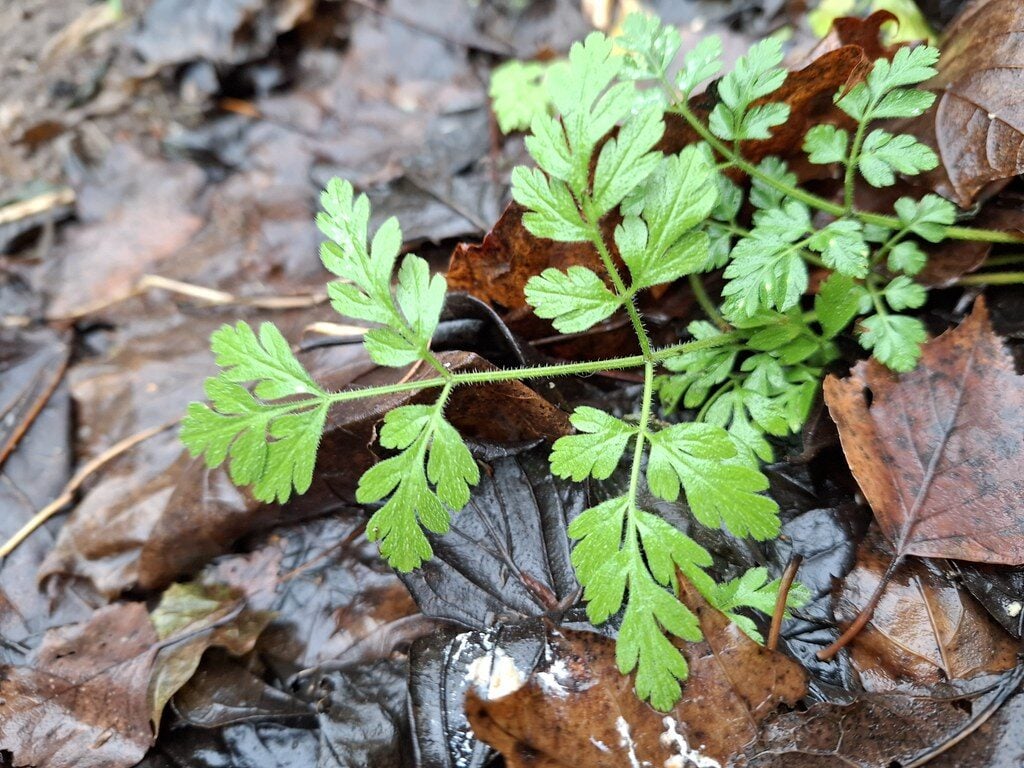
iNaturalist· cc-by-nc
(c) Sam Kuzhalanattu, some rights reserved (CC BY-NC), uploaded by Sam Kuzhalanattu
Description
A herb. It can be erect or lie over. The leaves are alternate and 5-7 cm across. The lower leaves are round and the upper leaves have 3 lobes. The base is heart shaped and there are teeth along the edge. The leaf stalk is 1-6 cm long and forms a sheath at the base. The flowers are in groups with stalks from a common point and they are at the top of the plant. There are 9-16 flowers in a group. They are white. The fruit are 3 mm long by 2 mm wide.
Edible Uses
The leaves and seeds are used as condiments to spice food.
Traditional Uses
The leaves and seeds are used as condiments to spice food.
This uses section is brief — help expand it
Distribution
A tropical plant. It grows in evergreen forests.
Where It Grows
Asia, India, Myanmar, Sri Lanka, SE Asia,
Production
In south India plants flower and fruit October to February.
Synonyms
Also Known As
Taung-sa-meik
References (2)
- Ambasta, S.P. (Ed.), 2000, The Useful Plants of India. CSIR India. p 457
- Ramachandran, V.S. and Nair, V.J., 1981, Ethnobotanical studies in Cannanore District, Kerala State (India). J Econ. Tax. Bot. Vol 2 pp 65-72