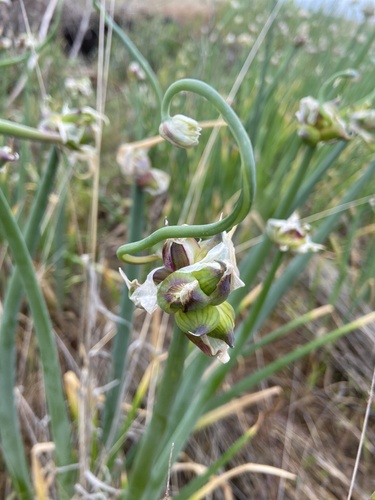
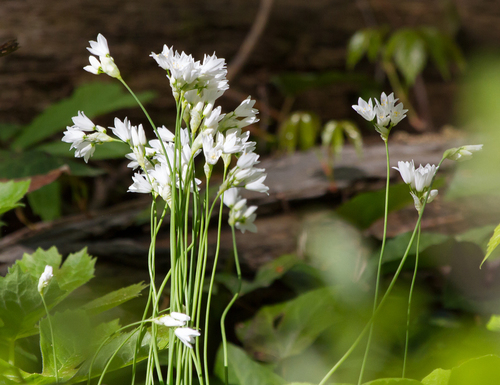
Allium cepa aggregatum
G.Don.
Potato Onion
iNaturalist· cc-by-nc
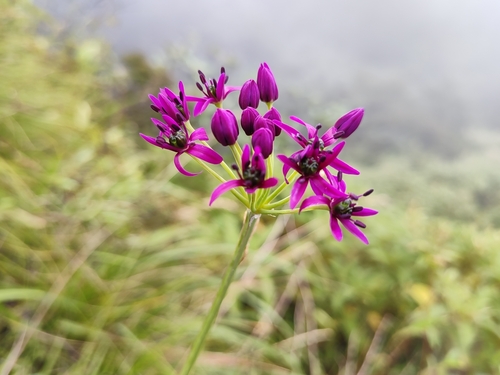
(c) Dave Holland, some rights reserved (CC BY-NC), uploaded by Dave Holland
Description
Allium cepa aggregatum is a BULB growing to 1.2 m (4ft) at a medium rate. See above for USDA hardiness. It is hardy to UK zone 5 and is not frost tender. The species is hermaphrodite (has both male and female organs) and is pollinated by Bees, insects. The plant is self-fertile. It is noted for attracting wildlife. Suitable for: light (sandy) and medium (loamy) soils and prefers well-drained soil. Suitable pH: mildly acid, neutral and basic (mildly alkaline) soils and can grow in very alkaline soils. It cannot grow in the shade. It prefers moist soil.
Edible Uses
Bulb - raw or cooked. A nice onion flavour, when chopped up finely they make a nice addition to salads and can also be used as a cooked vegetable or as a flavouring in cooked foods. Some of the cultivars are considered to be gourmet onions. Leaves - raw or cooked. A strong onion flavour. Flowers - raw. Used as a garnish on salads. The flowers are somewhat dry and are less pleasant than many other species.
Medicinal Uses
Anthelmintic Antiinflammatory Antiseptic Antispasmodic Carminative Diuretic Expectorant Febrifuge Hypoglycaemic Hypotensive Lithontripic Skin Stomachic Tonic. Although rarely used specifically as a medicinal herb, the onion has a wide range of beneficial actions on the body and when eaten (especially raw) on a regular basis will promote the general health of the body. The bulb is anthelmintic, anti-inflammatory, antiseptic, antispasmodic, carminative, diuretic, expectorant, febrifuge, hypoglycaemic, hypotensive, lithontripic, stomachic and tonic. When used regularly in the diet it offsets tendencies towards angina, arteriosclerosis and heart attack. It is also useful in preventing oral infection and tooth decay. Baked onions can be used as a poultice to remove pus from sores. Fresh onion juice is a very useful first aid treatment for bee and wasp stings, bites, grazes or fungal skin complaints. When warmed the juice can be dropped into the ear to treat earache. It also aids the formation of scar tissue on wounds, thus speeding up the healing process, and has been used as a cosmetic to remove freckles.
Known Hazards
There have been cases of poisoning caused by the consumption, in large quantities and by some mammals, of this plant. Dogs seem to be particularly susceptible.
Distribution
Not known in wild.
Where It Grows
TEMPERATE ASIA: Turkmenistan.
Cultivation
Prefers a sunny sheltered position in a light well-drained fertile soil but tolerates most soils. Tolerates a pH in the range 4.5 to 8.3. The potato onion was at one time fairly widely grown as a vegetable, but it has now fallen into virtual disuse. There are still some named forms available. This is a genuinely perennial form of A. cepa, the bulb grows deeper in the soil and divides to produce a number of underground bulbs each year in much the same way as shallots. Large bulbs divide to form 5 - 15 bulbs whilst smaller bulbs grow into one large bulb. According to one report, the bulbs should be planted fairly deeply, whilst another report says that they should be planted just below soil level. Onions grow well with most plants, especially roses, carrots, beet and chamomile, but they inhibit the growth of legumes. This plant is a bad companion for alfalfa, each species negatively affecting the other. Members of this genus are rarely if ever troubled by browsing deer. Alliums are typically harvested in late spring to early summer, when the bulbs mature and the tops begin to yellow. Allium species typically flower in late spring to early summer, depending on the species and local climate conditions. Allium species generally have a moderate growth rate, with bulbs typically taking about 100 to 150 days from planting to harvest, depending on the variety and growing conditions.
Propagation
Seed - sow spring in a cold frame. Seed is seldom produced by this plant. Division in late summer. Harvest the bulbs as the foliage dies down and store them in a cool place. In areas with mild winters the bulbs are traditionally replanted on the shortest day of the year, but in colder areas it is best to wait until late winter or even early spring. Plant the bulbs only just below the soil surface.
Other Uses
Cosmetic Dye Hair Polish Repellent Rust. The juice of the plant is used as a moth repellent and can also be rubbed onto the skin to repel insects. The plant juice can be used as a rust preventative on metals and as a polish for copper and glass. A yellow-brown dye is obtained from the skins of the bulbs. Onion juice rubbed into the skin is said to promote the growth of hair and to be a remedy for baldness. It is also used as a cosmetic to get rid of freckles. The growing plant is said to repel insects and moles. A spray made by pouring enough boiling water to cover 1kg of chopped unpeeled onions is said to increase the resistance of other plants to diseases and parasites.