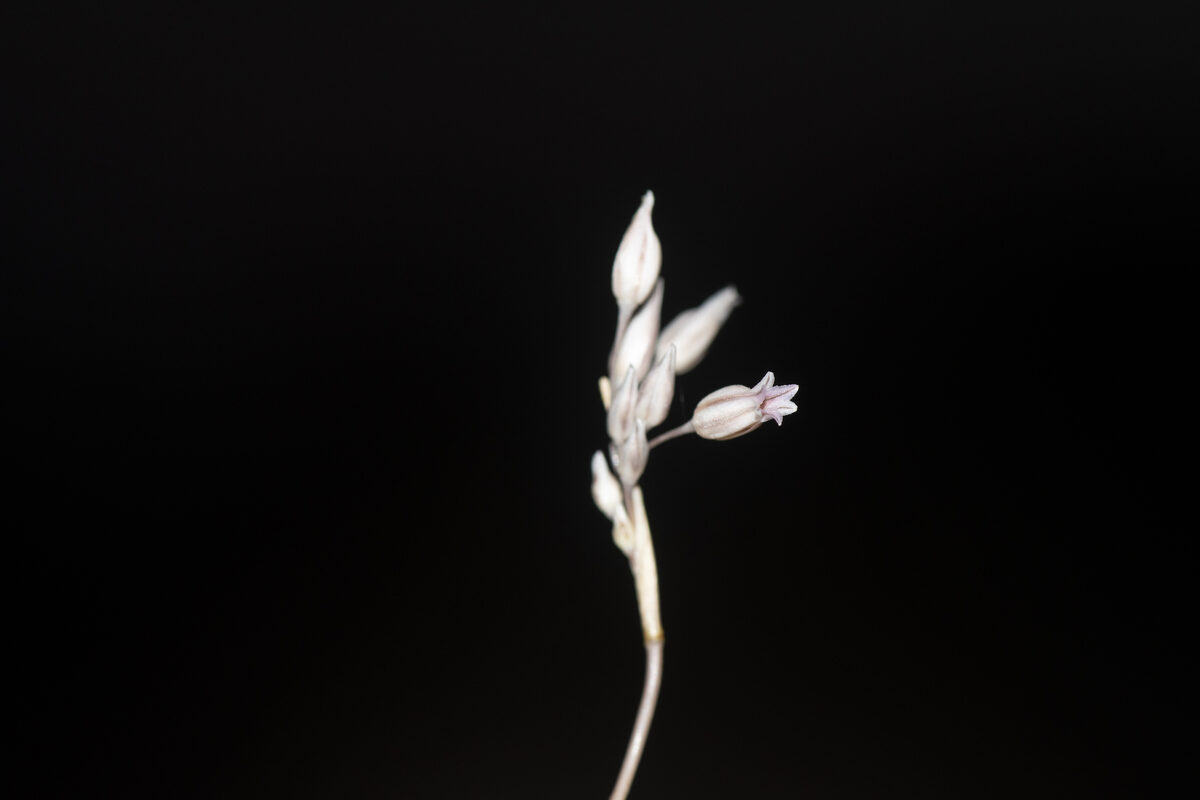
Allium x proliferum
(Moench) Schrader ex Willd.
Beltsville bunching onion, Egyptian onion
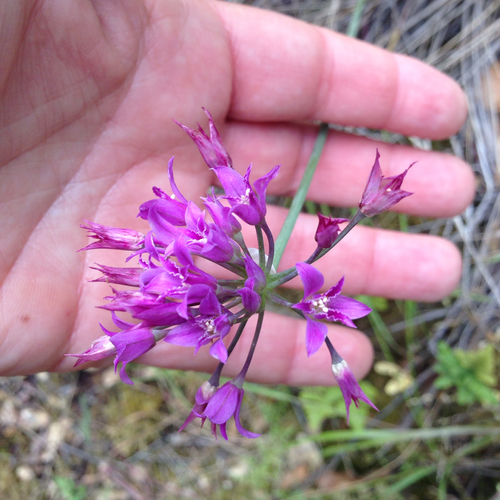
iNaturalist· cc-by
(c) Erin Snyder, some rights reserved (CC BY)
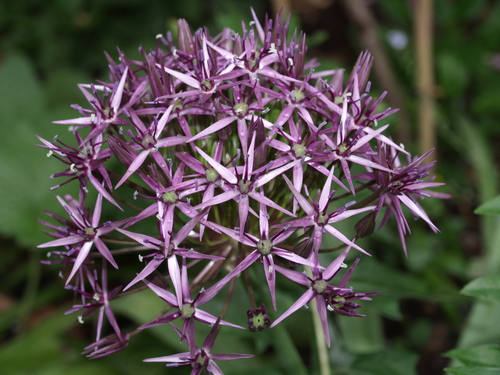
iNaturalist· cc-by
(c) Erin Snyder, some rights reserved (CC BY)
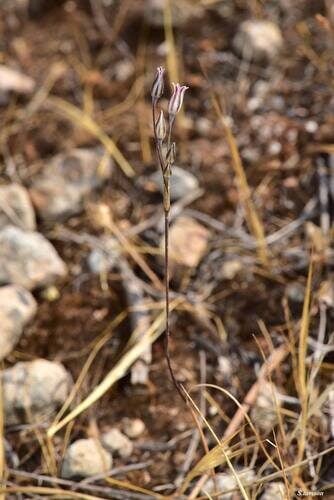
iNaturalist· cc-by
(c) Erin Snyder, some rights reserved (CC BY)
Description
A Mediterranean climate bulbous plant in the onion family (Amaryllidaceae), also known as the Beltsville bunching onion or Egyptian onion.
This description is brief — help expand it
Edible Uses
The bulbs, bulblets, and leaves are all edible and commonly used.
Distribution
It is a Mediterranean climate plant.
Where It Grows
Asia, China, Egypt, Europe, India, North America, Siberia, USA,
Notes
There are about 300-700 Allium species. Most species of Allium are edible (Flora of China). All alliums are edible but they may not all be worth eating! They have also been put in the family Alliaceae.
Synonyms
Also Known As
Catawissa onion, Da gaun cong, Top onion, Tree onion, Turfed stone leek
References (6)
- Enum. pl. 1:358. 1809
- Kays, S. J., and Dias, J. C. S., 1995, Common Names of Commercially Cultivated Vegetables of the World in 15 languages. Economic Botany, Vol. 49, No. 2, pp. 115-152 (As Allium x wakegi)
- Lim, T. K., 2015, Edible Medicinal and Non Medicinal Plants. Volume 9, Modified Stems, Roots, Bulbs. Springer p 5
- Small, E., 2009, Top 100 Food Plants. The world's most important culinary crops. NRC Research Press. p 377
- USDA, ARS, National Genetic Resources Program. Germplasm Resources Information Network - (GRIN). [Online Database] National Germplasm Resources Laboratory, Beltsville, Maryland. Available: www.ars-grin.gov/cgi-bin/npgs/html/econ.pl (10 April 2000)
Show all 6 references Hide references
- Wiersema, J. H. & Leon, B., 2013, World Economic Plants. A Standard Reference CRC Press. 2nd Ed. p 35