Entada gigas
(L.) Fawcett & Rendle
Sea-bean
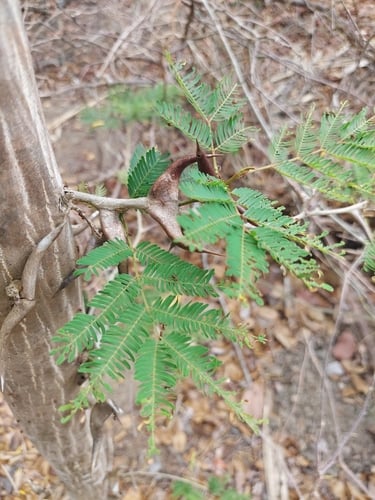
iNaturalist· cc-by-nc
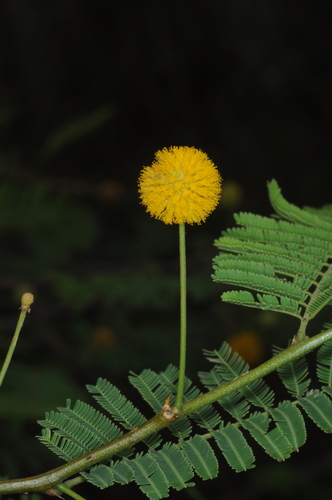
(c) Pedro Blanco, some rights reserved (CC BY-NC), uploaded by Pedro Blanco
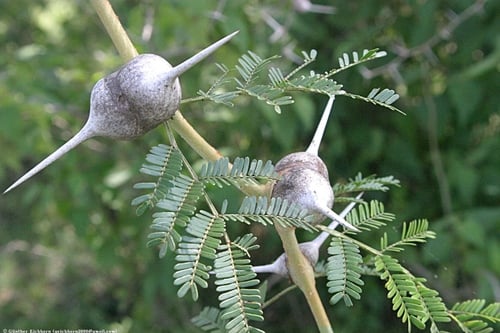
iNaturalist· cc-by
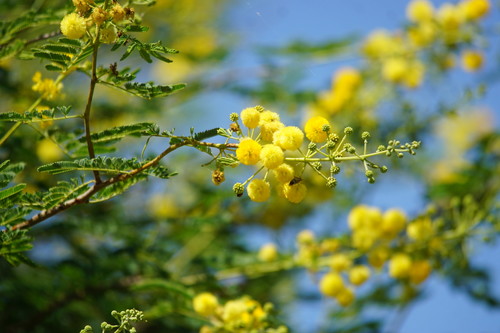
(c) Michael A. Alcorn, some rights reserved (CC BY), uploaded by Michael A. Alcorn
iNaturalist· cc-by-nc
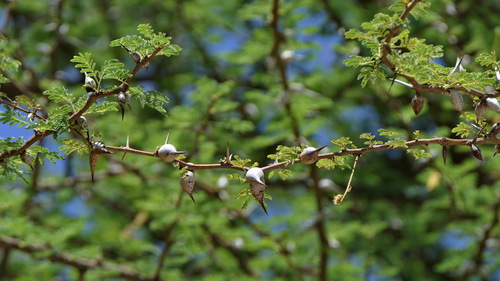
(c) Kitty Maurey, some rights reserved (CC BY-NC)
Summary
Source: WikipediaEntada gigas, commonly known as the monkey-ladder, sea bean, cœur de la mer or sea heart, is a species of flowering liana in the pea family, Fabaceae, subfamily Mimosoideae. It is native to Central America, the Caribbean, northern South America, and Africa. It is notable for having the largest seedpods in the Fabaceae.
Description
A woody climber. The fruit is a long woody pod. It can be 1-2 m long. The seeds are heart shaped and can be 6 cm across. They are a shiny deep red to brown.
Edible Uses
The seeds are roasted and eaten. The young shoots are boiled (with the water discarded) and then eaten as a vegetable. The stem sap is consumed as a drink.
Traditional Uses
The seeds are roasted and eaten. The stem sap is used as a drink. The young shoots are boiled and the water discarded and then eaten as a vegetable.
Distribution
A tropical plant. It grows in low elevation, wet places.
Where It Grows
Africa, Angola, Asia, Australia, Belize, Benin, Cameroon, Central Africa, Central African Republic, CAR, Central America, Colombia, Congo DR, Congo R, Costa Rica, Cuba, Dominican Republic, East Africa, Ecuador, El Salvador, Equatorial-Guinea, Gabon, Ghana, Guadeloupe, Guatemala, Haiti, Hispaniola, Honduras, Ivory Coast, Jamaica, Kenya, Liberia, Martinique, Mexico, Mozambique, Nicaragua, North America, Northeastern India, Pacific, Panama, Sierra Leone, Sikkim, South America, Sudan, Togo, Uganda, Vanuatu, Venezuela, West Africa, West Indies, Zambia,
Notes
There are about 30 Entada species. They occur in the tropics. Also as Mimosaceae.
Synonyms
Also Known As
Chembe, Kaang, Ling, Lute, Mackay-bean, Nicker-bean, Mjamba, Pangra, Sea heart
References (17)
- Bailey, F. M., 1913, Comprehensive Catalogue of Queensland Plants. Queensland Government. p 154 (As Entada scandens)
- Barrau, J., 1976, Subsistence Agriculture in Melanesia. Bernice P. Bishop Museu, Bulletin 219 Honolulu Hawaii. Kraus reprint. p 53
- Ekman Herbarium records Haiti
- Fl. Jamaica 4:124. 1920
- Fowler, D. G., 2007, Zambian Plants: Their Vernacular Names and Uses. Kew. p 35
Show all 17 references Hide references
- Gangte, H. E., et al, 2013, Wild Edible Plants used by the Zou Tribe in Manipur, India. International Journal of Scientific and Research Publications, Volume 3, Issue 5 (As Entada scandens)
- Grivetti, L. E., 1980, Agricultural development: present and potential role of edible wild plants. Part 2: Sub-Saharan Africa, Report to the Department of State Agency for International Development. p 27
- Guite, C., 2016, A study of wild edible plants associated with the Paite tribe of Manipur, India, International Journal of Current Research. Vol. 8, Issue, 11, pp. 40927-40932 (As Entada scandens)
- Kew Plants of the World Online
- Massal, E. and Barrau, J., 1973, Food Plants of the South Sea Islands. SPC Technical Paper No 94. Noumea, New Caledonia. p 30
- Plants of Haiti Smithsonian Institute http://botany.si.edu/antilles/West Indies
- Suresh, C. P. et al, 2014, Wild Edible Tree Fruits of Sikkim Himalayas. Journal of Tree Sciences 33(1): 43-48 (As Entada scandens)
- Terashima, H., & Ichikawa, M., 2003, A comparative ethnobotany of the Mbuti and Efe hunter-gatherers in the Ituri Forest, Democratic Republic of Congo. African Study Monographs, 24 (1, 2): 1-168, March 2003
- Termote, C., et al, 2011, Eating from the wild: Turumbu, Mbole and Bali traditional knowledge of non-cultivated edible plants, District Tshopo, DRCongo, Gen Resourc Crop Evol. 58:585-618
- USDA, ARS, National Genetic Resources Program. Germplasm Resources Information Network - (GRIN). [Online Database] National Germplasm Resources Laboratory, Beltsville, Maryland. Available: www.ars-grin.gov/cgi-bin/npgs/html/econ.pl (10 April 2000)
- Wiersema, J. H. & Leon, B., 2013, World Economic Plants. A Standard Reference CRC Press. 2nd Ed. p 272
- World Checklist of Useful Plant Species 2020. Royal Botanic Gardens, Kew