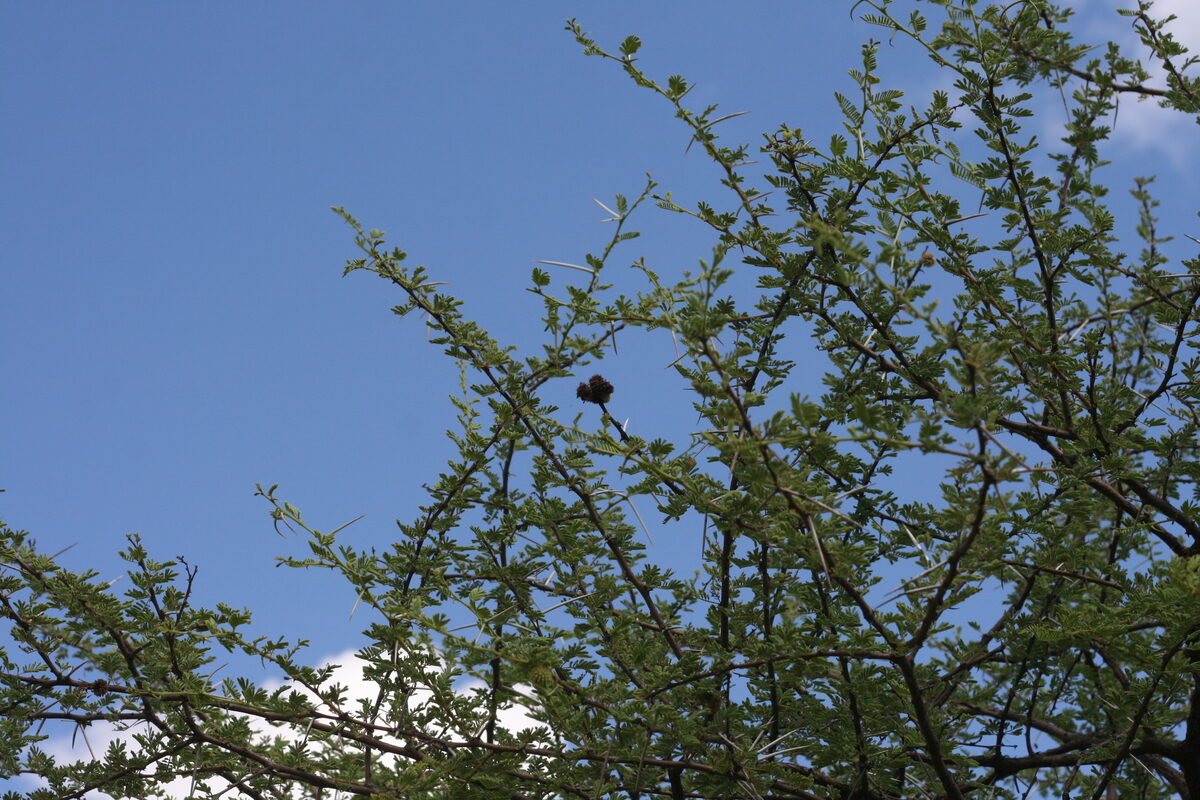
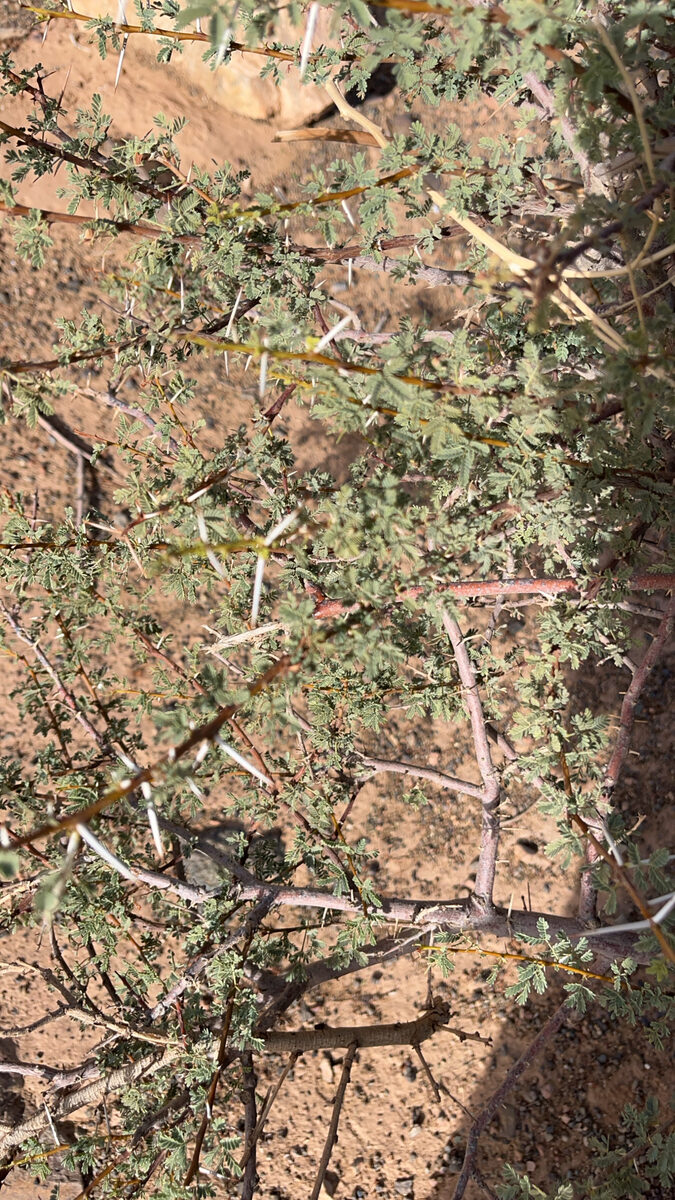
Caragana fruticosa
(Pall.) Besser
Siberian Peashrub
gbif· cc-by-nc
marina_selezneva
gbif· cc-by-nc
Наталья Бондарева
gbif· cc-by-nc
Séraphin Poudrier
Summary
Fast-growing deciduous shrub reaching 2 m tall and wide. Hardy to UK zone 2. Flowers in May with seeds ripening by September. Hermaphrodite flowers attract bees. Grows in light sandy or medium loamy, well-drained soil tolerating poor fertility. Suitable for mildly acid to very alkaline soils. Requires full sun. Tolerates dry or moist soil and drought. Handles strong winds but not coastal salt spray. Fixes nitrogen and attracts wildlife.
Description
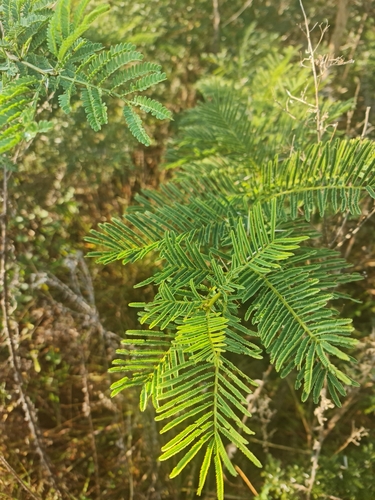
A shrub. It grows 2 m tall. The leaves have 8-12 leaflets along the stalk. The leaflets are oblong and 10-15 mm long and 4-6 mm wide. The flowers usually occur singly. The pod is 3-4 cm long.
Edible Uses
The following information is based on the closely related C. arborescens and is considered likely to apply to this species as well. The seeds can be cooked and eaten; they are small but produced in abundance, with 4–6 seeds per pod. The flavour is bland, making them best suited to spicy dishes. Raw seeds have a mild pea-like flavour, though whether they are safe to eat raw in quantity is uncertain. The seeds contain 12.4% fatty oil and up to 36% protein, and have been recommended as an emergency food for humans. Young pods can also be cooked and used as a vegetable.
Medicinal Uses
None known.
Distribution
It is a temperate plant. In northern China plants grow in slopes in scrub between 100-1,800 m above sea level.
Where It Grows
Asia, China, Korea, Russia,
Propagation
Seed is best sown as soon as it is ripe in a cold frame, where it typically germinates within 2 weeks. Stored seed should be pre-soaked for 24 hours in warm water before sowing in a cold frame. If the seed has not swollen after soaking, scarify it and re-soak for a further 12 hours before sowing. Germination usually occurs within 2–3 weeks at 20°C, with a good success rate. Once seedlings are large enough to handle, prick them out into individual pots and grow on in a greenhouse for at least their first winter, then plant out into permanent positions in late spring or early summer after the last expected frosts. Cuttings of half-ripe wood, 7–10cm with a heel, can be taken in July or August and rooted in a frame. Layering can be carried out in spring.
Other Uses
The following uses are based on the closely related C. arborescens and are considered likely to apply to this species. A fibre obtained from the bark is used to make cordage, and a blue dye can be extracted from the leaves. The seeds contain 12.4% fatty oil. The plant can be grown as a hedge and is notably wind-resistant, making it suitable for use in shelterbelts. Its extensive root system makes it effective for erosion control, particularly on marginal land.
Notes
There are 80 Caragana species. They grow in temperate continental climates.
References (2)
- Cat. hort. Cremeneci 116. 1816
- Plants for a Future database, The Field, Penpol, Lostwithiel, Cornwall, PL22 0NG, UK. http://www.scs.leeds.ac.uk/pfaf/