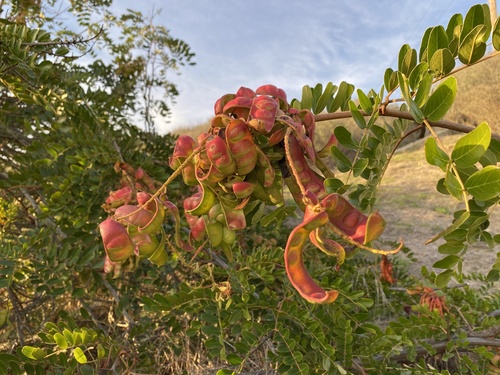
Caragana sinica
(Buc'hoz) Rehder
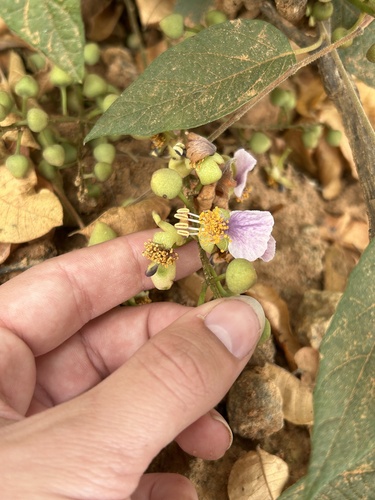
iNaturalist· cc-by-nc
(c) Rob Macfie, some rights reserved (CC BY-NC)
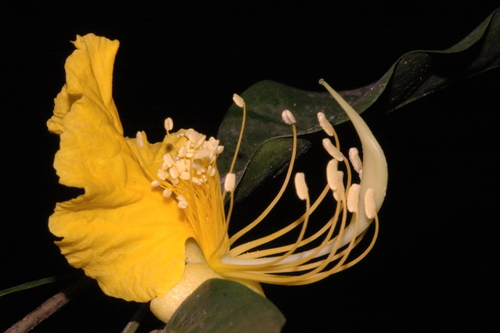
iNaturalist· cc-by-nc
(c) Rob Macfie, some rights reserved (CC BY-NC)
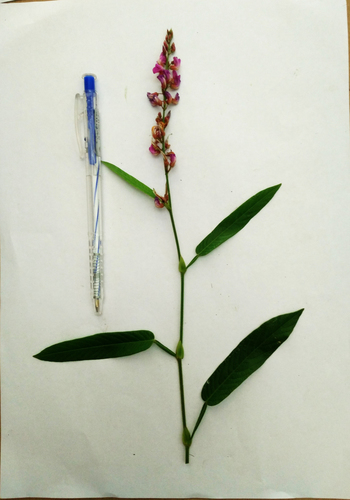
iNaturalist· cc-by-nc-sa
(c) Kim, Hyun-tae, some rights reserved (CC BY-NC-SA)
Summary
Source: WikipediaCaragana sinica (simplified Chinese: 金鹊根; traditional Chinese: 金鵲根; pinyin: jīnquègēn) is a species belonging to the genus Caragana. Caragana sinica is known to produce the stilbenoid trimers α-viniferin, showing acetylcholinesterase inhibitory activity, and miyabenol C, a protein kinase C inhibitor and two stilbene tetramers kobophenol A, and carasinol B.
Description
A shrub. It grows 2 m tall. The leaves have leaflets along the stalk. There are 4 leaflets. These are 1-4 cm long by 1-2 cm wide. The pair at the end are the largest. The flowers occur singly and are yellow. The pods are cylinder shaped and 3-4 cm long.
Edible Uses
The flowers can be eaten raw or cooked. They are prepared by boiling and washing before use.
Medicinal Uses
The root contains a range of medically active compounds including saponins, stilbenes, and caraganosides. It has demonstrated anti-inflammatory activity and is used in Korea to treat arthritis, neuralgia, diarrhoea, and bone weakness. The root is also considered restorative and tonic. The stem is made into a broth with other foods and used in the treatment of advanced syphilis.
Distribution
It is a tropical plant. In China it grows on mountain hills below 400-1,800 m above sea level. In Sichuan and Yunnan.
Where It Grows
Asia, China, Japan, Korea,
Propagation
Seed is best sown as soon as it is ripe in a cold frame, where it typically germinates within 2 weeks. Stored seed should be pre-soaked for 24 hours in warm water before sowing in a cold frame. If the seed has not swollen after soaking, scarify it and re-soak for a further 12 hours before sowing. Germination usually occurs within 2–3 weeks at 20°C, with a good success rate. Once seedlings are large enough to handle, prick them out into individual pots and grow on in a greenhouse for at least their first winter, then plant out into permanent positions in late spring or early summer after the last expected frosts. Cuttings of half-ripe wood, 7–10cm with a heel, can be taken in July or August and rooted in a frame. Layering can be carried out in spring.
Other Uses
None known.
Notes
The edible flowers are considered a health-promoting vegetable.
Synonyms
References (2)
- Liu, Yi-tao, & Long, Chun-Lin, 2002, Studies on Edible Flowers Consumed by Ethnic Groups in Yunnan. Acta Botanica Yunnanica. 24(1):41-56
- Tai, Z., et al, 2010, Antioxidant Activities of Caragana sinica Flower Extracts and Their Main Chemical Constituents. Molecules 2010, 15, 6722-6732