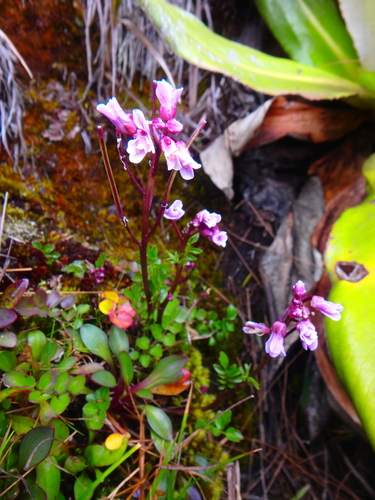
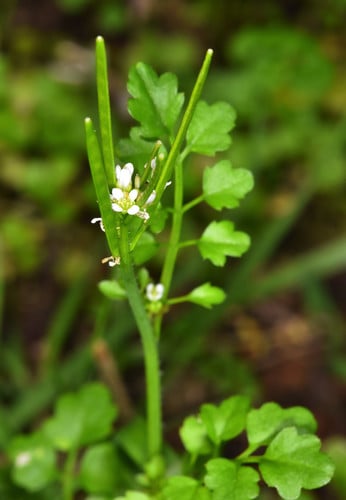
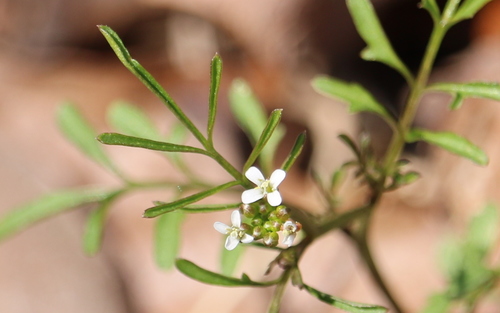
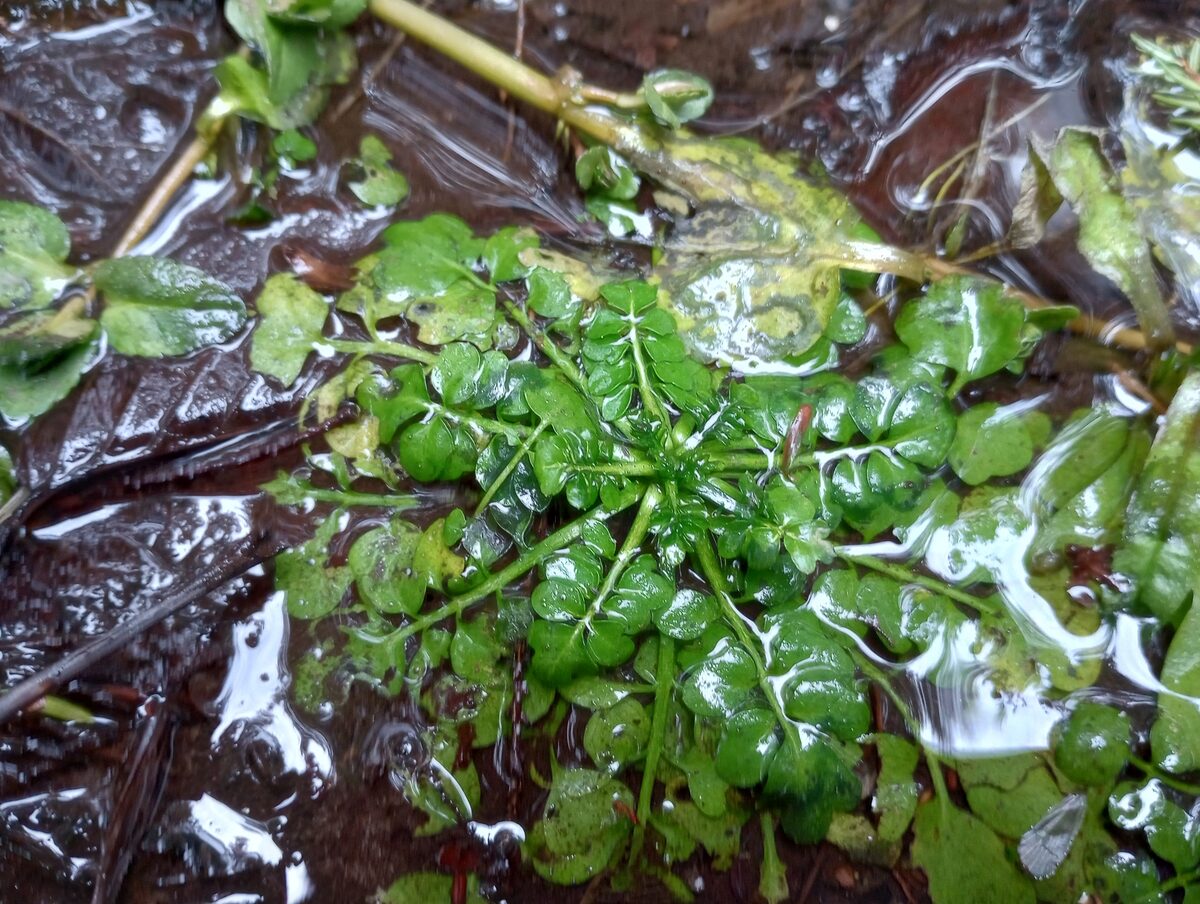
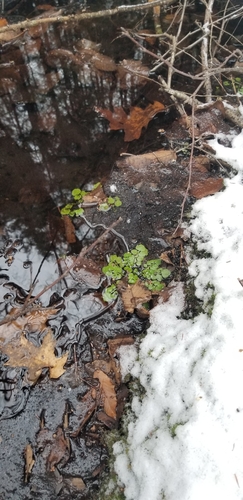
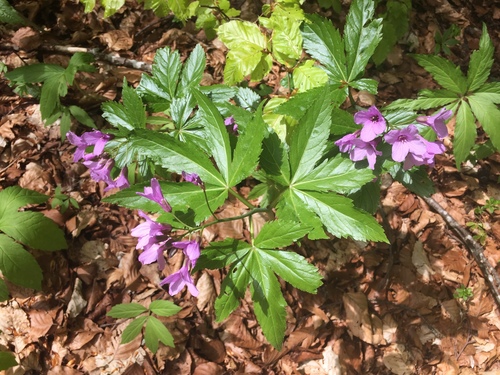
Lepidium spp.
Various
Perennial Lepidium
No photos yet for Lepidium spp.
Sign in to contribute a photoDescription
Lepidium spp. is a PERENNIAL growing to 1.2 m (4ft) by 2 m (6ft 7in) at a fast rate. See above for USDA hardiness. It is hardy to UK zone 3. Suitable for: light (sandy), medium (loamy) and heavy (clay) soils and prefers well-drained soil. Suitable pH: mildly acid, neutral and basic (mildly alkaline) soils. It can grow in semi-shade (light woodland) or no shade. It prefers moist soil.
Edible Uses
Carbon Farming Solutions - Staple Crop: oil (The term staple crop typically refers to a food that is eaten routinely and accounts for a dominant part of people's diets in a particular region of the world). Fruit is usually spreading and squat (less than 3 times as long as broad),
Medicinal Uses
Various medicinal qualities depending on the species.
Distribution
Origin: N. Temperate. Widely distributed in the Americas, Africa, Asia, Europe, and Australia.
Where It Grows
Coming Soon
Cultivation
Management: Standard Staple Crop: Oil Under Development. Climate: boreal to warm temperate. Humidity: semi-arid to humid. A genus of plants in the mustard/cabbage family, Brassicaceae. Annual to perennial, herbs or shrubs. Species include garden cress, maca, and dittander. Lepidium is from the Greek lepis (scale) referring to the shape of the seed pods. Carbon Farming Solutions - Cultivation: under development. Management: standard (Describes the non-destructive management systems that are used in cultivation).
Propagation
See individual species.
Other Uses
See individual species.
Synonyms
Also Known As
Common names include peppercress, peppergrass, and pepperwort.