Platostoma hispidum
(L.) A. J. Paton
iNaturalist· cc-by
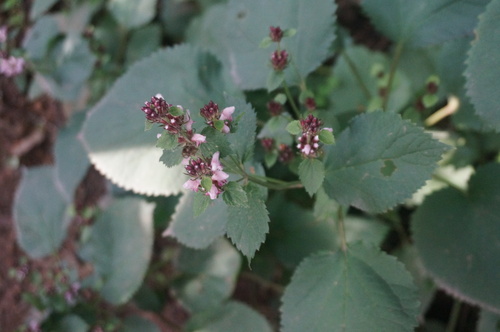
(c) Siddarth Machado, some rights reserved (CC BY), uploaded by Siddarth Machado
iNaturalist· cc-by
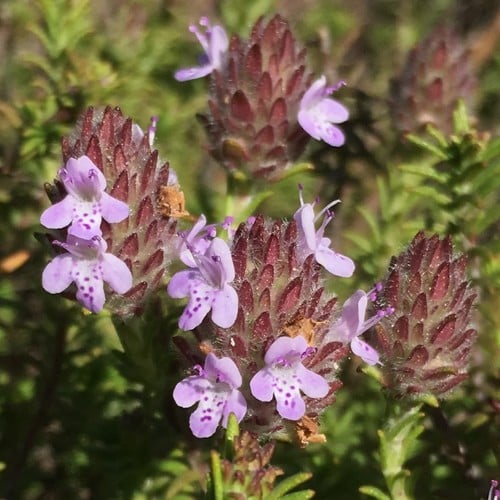
(c) Siddarth Machado, some rights reserved (CC BY), uploaded by Siddarth Machado
iNaturalist· cc-by
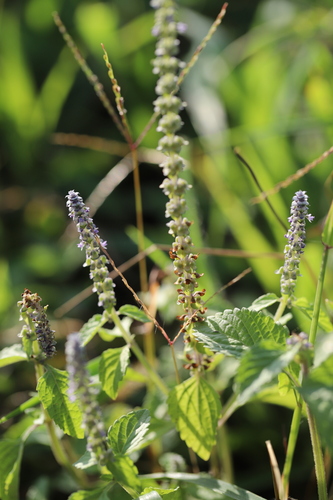
(c) Siddarth Machado, some rights reserved (CC BY), uploaded by Siddarth Machado
Summary
Source: WikipediaPlatostoma hispidum is a species of flowering plant in the mint family, Lamiaceae. It is found in Kashmir to Nepal, Bhutan, Western Ghats, Indo-China, and Malaysia. It is commonly known as hairy gomphrena.
Description
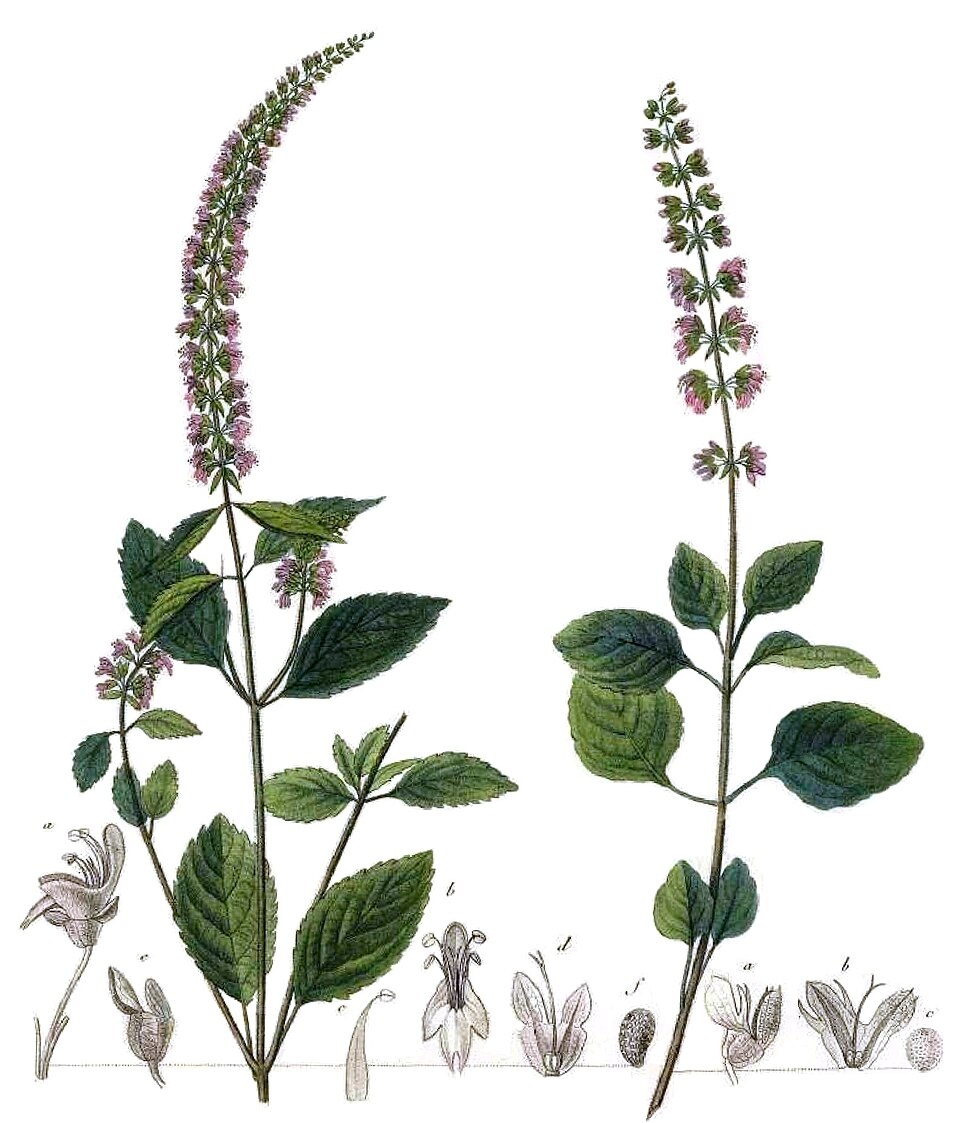
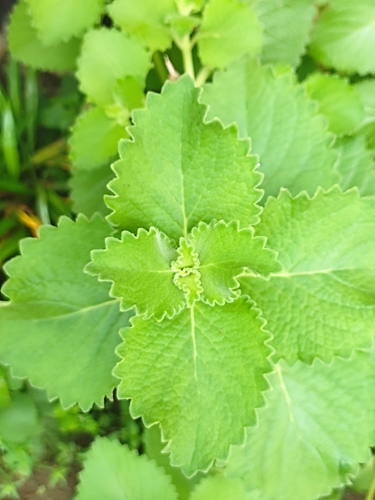
A herb or small shrub. It grows 1 m tall. The base can be lying along the ground and be woody. The leaves are narrowly oval and 1-5 cm long by 5-12 mm wide. They have teeth towards the tip. There are many flowers that overlap in layered spikes.
Edible Uses
The leaves and stems are prepared as a drink.
Traditional Uses
Asia, Cambodia, China, Himalayas, India, Indochina, Indonesia, Laos, Malaysia, Nepal, Philippines, SE Asia, Thailand, Vietnam,
This uses section is brief — help expand it
Distribution
It is a tropical plant. It grows in rice paddies, alongside streams and on the edges of forests and in bamboo forests. It grows between 100-1,800 m above sea level. In Yunnan.
Synonyms
Also Known As
Lerui jhangi, Leruwi jhangi, Nhan tran
References (3)
- Dangol, D. R., 2002, Economic uses of forest plant resources in western Chitwan, Nepal. Banko Janakari, 12(2): 56-64 (As Acrocephalus indicus)
- Dangol, D. R. et al, 2017, Wild Edible Plants in Nepal. Proceedings of 2nd National Workshop on CUAOGR, 2017.
- Van Sam, H. et al, 2008, Uses and Conservation of Plant Species in a National Park. A case study of Ben En, Vietnam. Economic Botany 62:574-593 (As Acrocephalus indicus)