Echinocereus fendleri
(Engelm.) Rumpler
Fendler's hedgehog cactus, Fendler needle-spine hedghog, Kuenzler's hedgehog, Kuenzler's cactus
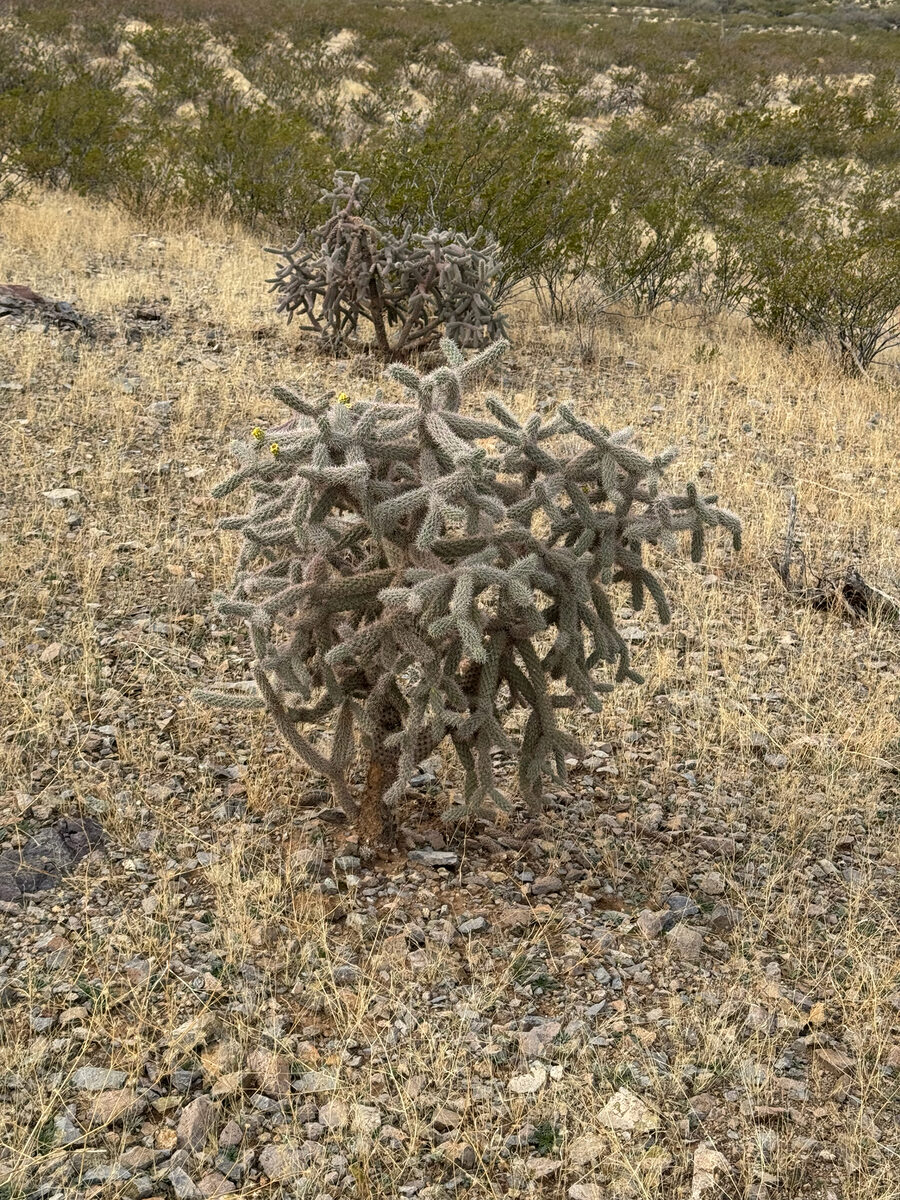
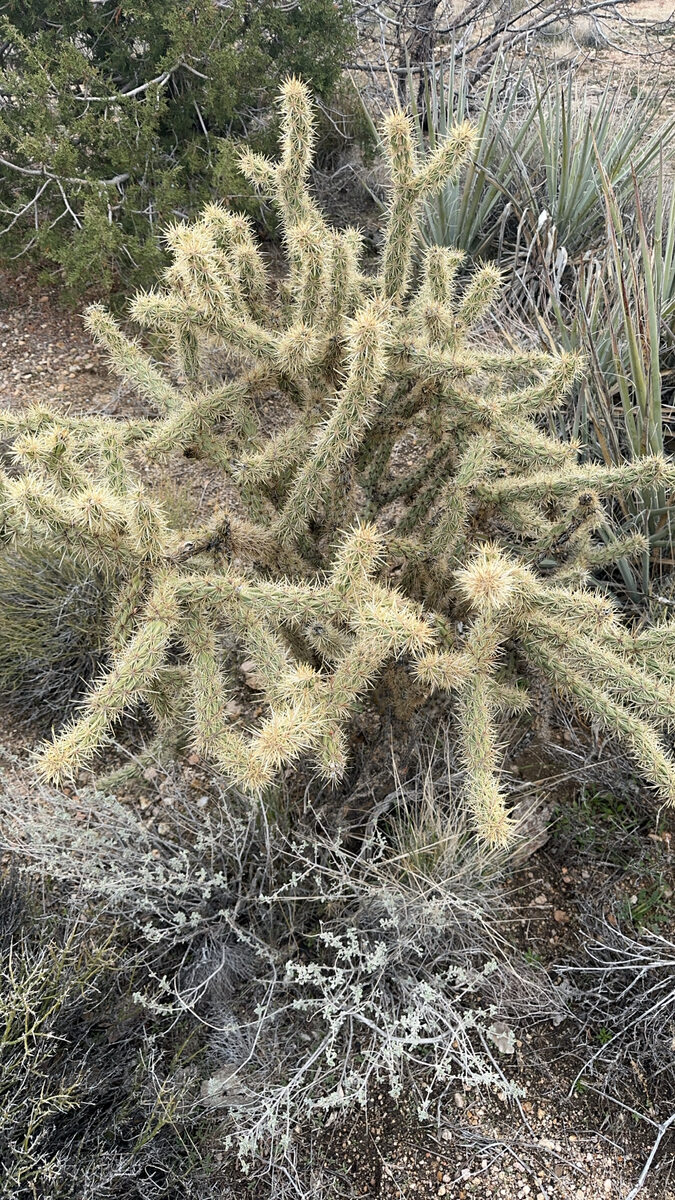
iNaturalist· cc-by-sa
(c) Tereka Lasso, some rights reserved (CC BY-SA), uploaded by Tereka Lasso
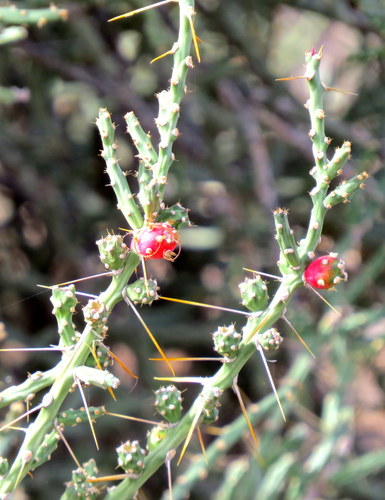
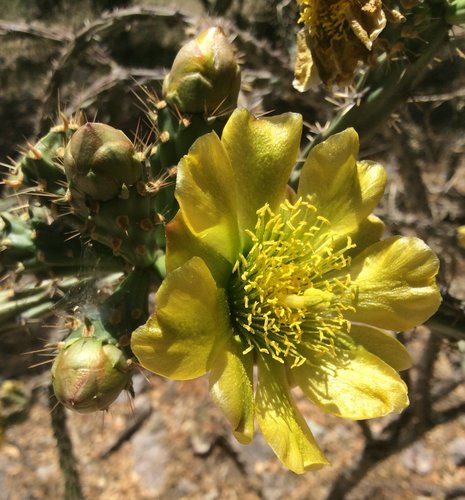
iNaturalist· cc-by-nc
(c) sevenwillowlane, some rights reserved (CC BY-NC)
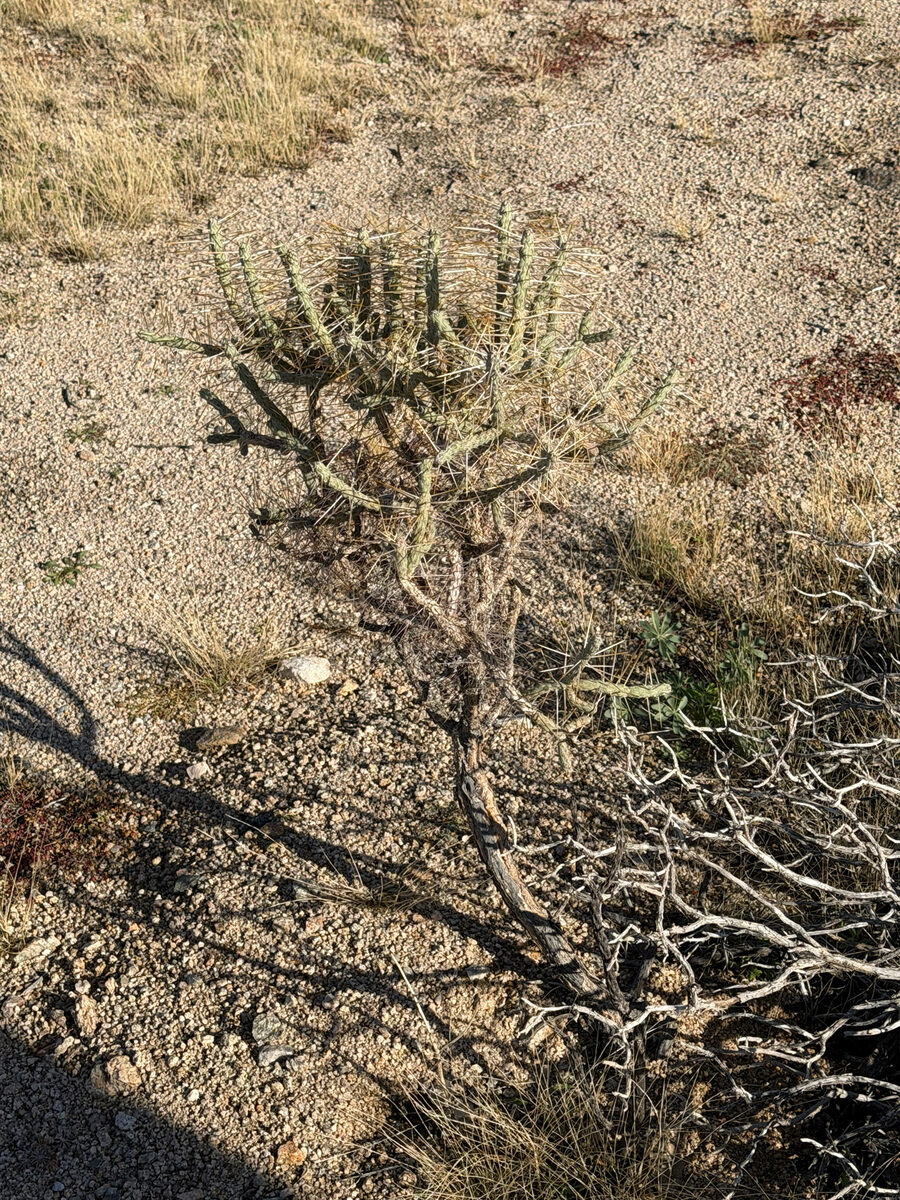
iNaturalist· cc-by-nc
(c) Wolfgang Blum, some rights reserved (CC BY-NC), uploaded by Wolfgang Blum
Summary
Source: WikipediaEchinocereus fendleri is a species of cactus known by the common names pinkflower hedgehog cactus and Fendler's hedgehog cactus. It is named in honor of Augustus Fendler. It grows in deserts and woodlands in the Southwestern United States and Northeastern Mexico. It is most common in New Mexico. The taxonomy of the species is uncertain, with authors recognizing up to eight varieties.
Description
A cactus. It is usually single but can form clumps. The stems are 10-15 cm long and 5-6 cm wide. They are dull or brownish-green. There are 9-12 ribs. The spine spots are 1-1.5 cm apart. There are about 8 spines which radiate out and these are brown and 1-2 cm long. There is one central spine which is larger. The flowers are purplish-violet. They are 8 cm long. The petals have teeth at the edges. The fruit are round and green but become red. They are fleshy and edible.
Edible Uses
The fruits can be eaten fresh, dried, or used as a sweetening agent.
Traditional Uses
The fruit can be eaten fresh, dried or used as sweetening.
This uses section is brief — help expand it
Distribution
It is a temperate plant. It needs full sunlight. It needs a temperature above 10°C. It suits hardiness zones 6-11.
Where It Grows
Australia, Mexico, North America, USA,
Notes
There are about 60 Echinocereus species.
Synonyms
References (9)
- Anderson, E.F., 2001, The Cactus Family, Timber Press. p 55, 236
- Beckstrom-Sternberg, Stephen M., and James A. Duke. "The Foodplant Database." http://probe.nalusda.gov:8300/cgi-bin/browse/foodplantdb.(ACEDB version 4.0 - data version July 1994)
- Brickell, C. (Ed.), 1999, The Royal Horticultural Society A-Z Encyclopedia of Garden Plants. Convent Garden Books. p 387
- Cundall, P., (ed.), 2004, Gardening Australia: flora: the gardener's bible. ABC Books. p 526
- C. F. Forster, Handb. Cacteenk. ed. 2, 801. 1885
Show all 9 references Hide references
- Hedrick, U.P., 1919, (Ed.), Sturtevant's edible plants of the world. p 180
- Innes, C. and Glass, C., 1997, The Illustrated Encyclopedia of Cacti. Sandstone Books. p 70
- Moerman, D. F., 2010, Native American Ethnobotany. Timber Press. p 206
- www.desert-tropicals.com