Opuntia durangensis
Britton & Rose
iNaturalist· cc-by-nc
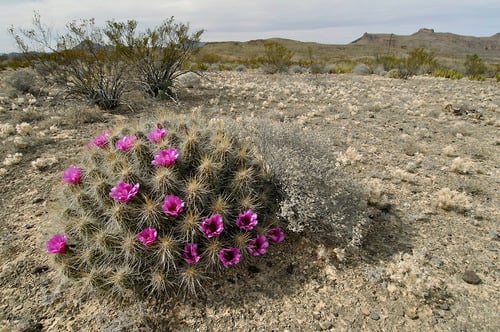
(c) Guillermo Rodriguez, some rights reserved (CC BY-NC), uploaded by Guillermo Rodriguez
iNaturalist· cc-by-nc
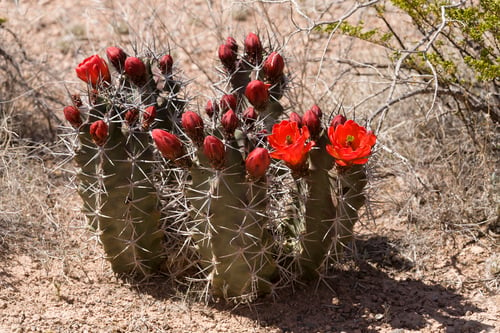
(c) Elizabeth Esperanza Aragón Piña, some rights reserved (CC BY-NC), uploaded by Elizabeth Esperanza Aragón Piña
iNaturalist· cc-by-nc-sa
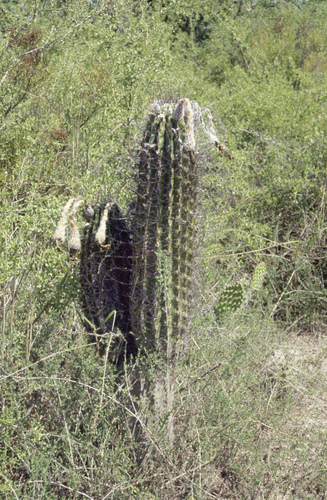
(c) 2013 Richard Spellenberg, some rights reserved (CC BY-NC-SA)
Description
A tropical cactus (family Cactaceae) with edible red or pink fruit. Both the fleshy stems (cladodes) and fruit are used as food.
This description is brief — help expand it
Edible Uses
The stems (cladodes) and fruit are eaten.
Distribution
It is a tropical plant.
Where It Grows
Mexico, North America,
Nutrition
| Part | Moisture | kJ | kcal | Protein | Vit A | Vit C | Iron | Zinc |
|---|---|---|---|---|---|---|---|---|
| Fruit | — | 260 | 3.3 | — | — | — | — | — |
| Stems | — | 289 | 6.1 | — | — | — | — | — |
Also Known As
Cambray, Virgen
References (3)
- Gallegos-Vazquez, C., et al, 2012, Morphological diversity of xoconostles (Opuntia spp.) or acidic cactus pears: A Mexican contribution to functional foods. Fruits, Vol. 67, p. 109-220
- Hernandez-Fuentes, A. D., et al, 2015, Physicochemical variability and nutritional and functional characteristics of xoconostles (Opuntia spp.) accessions from Mexico. Fruits, Vol. 70(2), p. 109-116
- Laferriere, J. E., et al, 1991, Use and Nutritional Composition of Some traditional Mountain Pima Plant Foods J. Ethnobiol. 11(1):93-114 (Figures on dry weight basis)