Echinocereus engelmannii
(Parry ex Engelmann) Lemaire
Strawberry hedgehog cactus
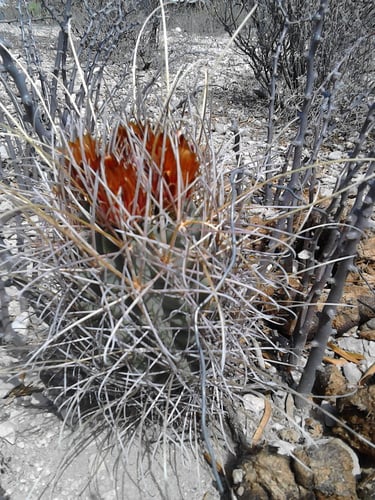
iNaturalist· cc-by-sa
(c) Dawn Endico, some rights reserved (CC BY-SA)
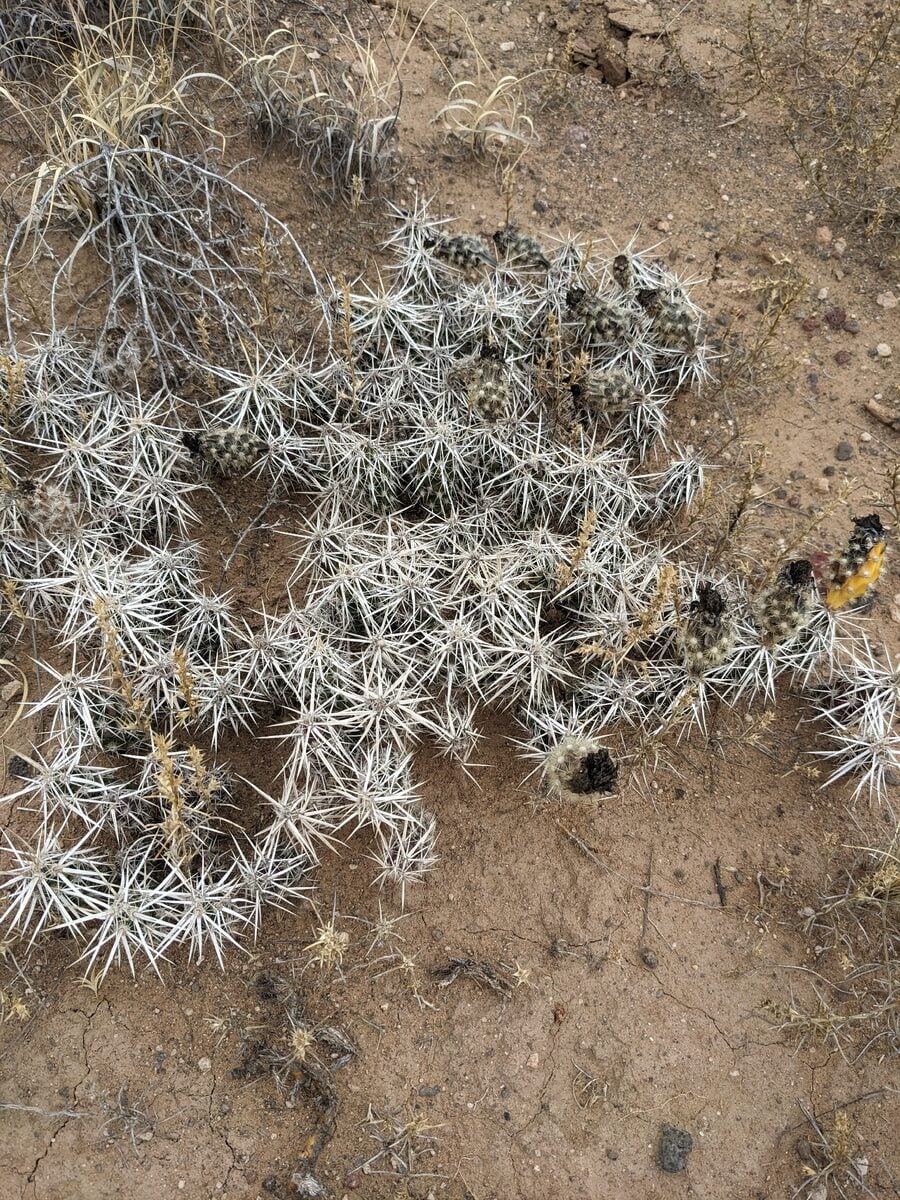
iNaturalist· cc-by-nc-sa
(c) Anthony Mendoza, some rights reserved (CC BY-NC-SA)
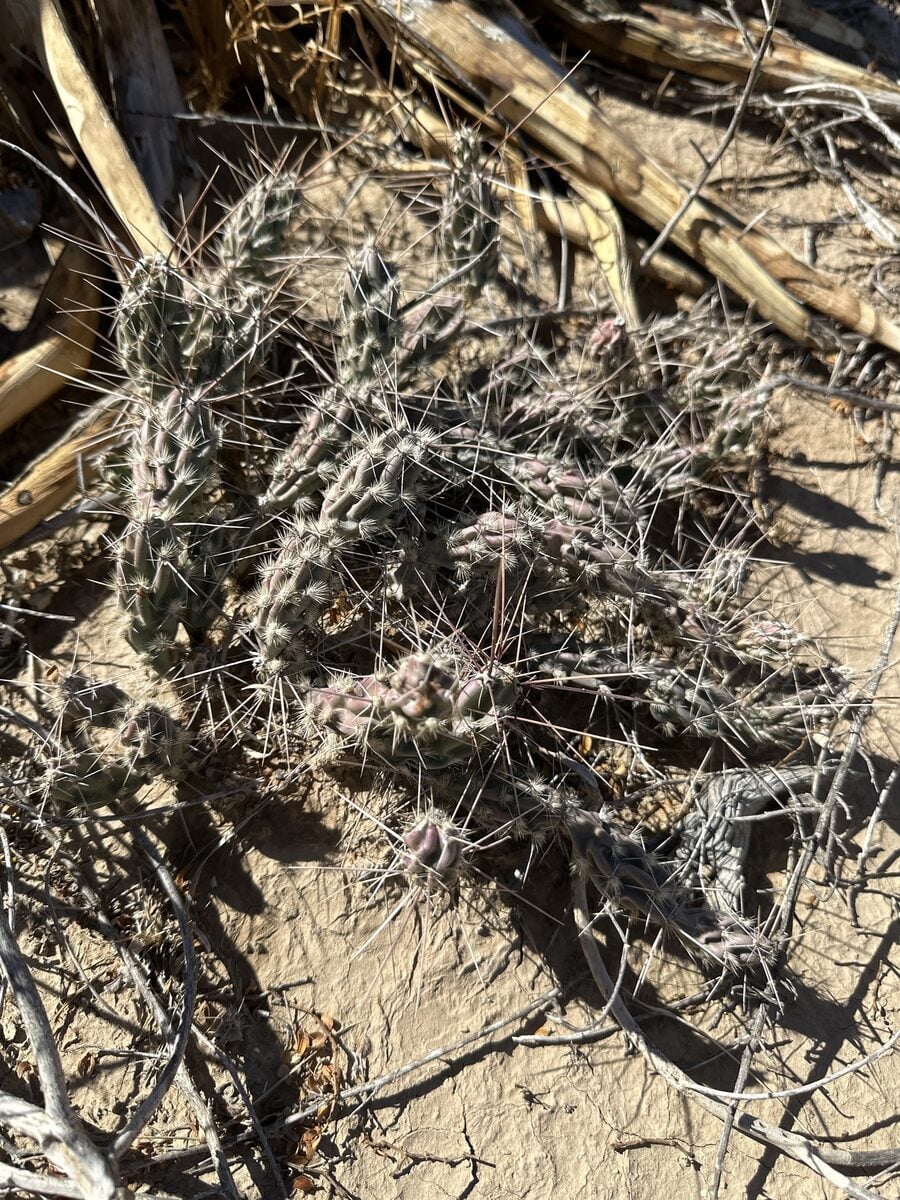
iNaturalist· cc-by-nc-sa
(c) 2012 Keir Morse, some rights reserved (CC BY-NC-SA)
Description
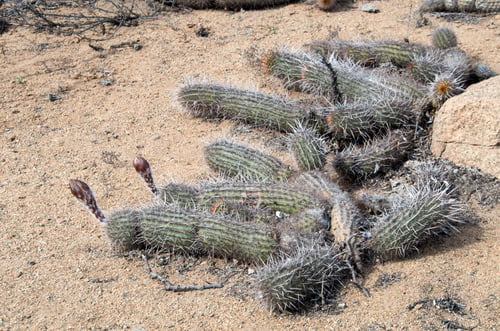
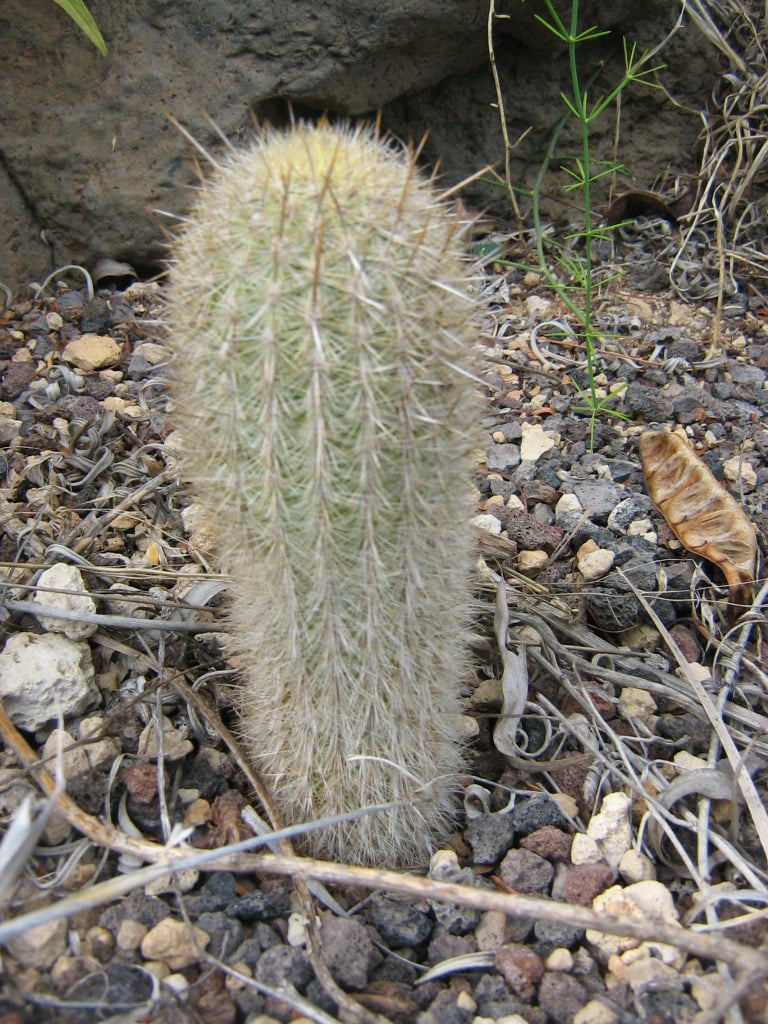
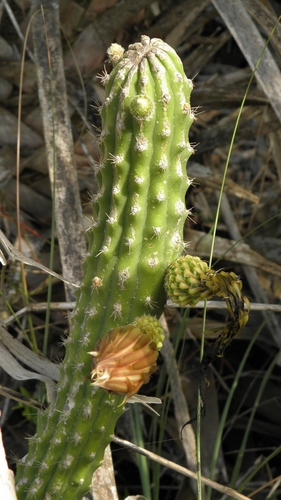
A cactus which forms clumps. There can be 3-60 stems from the base. It can be 25 cm high. The stems are 5-7 cm thick. They have 10-14 ribs. The spine spots are large and round. They are about 1 cm apart. The spines are of various colours. There are 10-12 spines which radiate out and they are about 1 cm long. There are 2-6 spines in the centre which are 6 cm long. The flowers are 5-8 cm long and 7 cm across. They are pinkish-red. The fruit are red and juicy. They are 3 cm long.
Edible Uses
The red fruits are eaten fresh, typically served with cream and sugar, and can be used for jam and sauces.
Traditional Uses
The fruit are eaten fresh and served with cream and sugar. They are also used for jam and sauces.
This uses section is brief — help expand it
Distribution
It is a temperate plant. It needs a sunny position. It needs a temperature above 10°C. It suits hardiness zones 7-11.
Where It Grows
Australia, Mexico, North America, USA,
Notes
There are about 60 Echinocereus species.
Synonyms
Also Known As
Calico cactus, Dagger-spine hedgehog, Engelmann's hedgehog, Howe hedgehog, Indian strawberry cactus, Munz's hedgehog cactus, Needle-spine hedgehog, Purple-spined hedgehog cactus, Varied-spined hedgehog
References (14)
- Anderson, B. A., (Rev.) 1996, Desert Plants of Utah. Utah State University Extension p 79
- Anderson, E.F., 2001, The Cactus Family, Timber Press. p 55, 234
- Beckstrom-Sternberg, Stephen M., and James A. Duke. "The Foodplant Database." http://probe.nalusda.gov:8300/cgi-bin/browse/foodplantdb.(ACEDB version 4.0 - data version July 1994)
- Benson, L., 1969, The Native Cacti of California. Stanford University Press. p 182
- Brickell, C. (Ed.), 1999, The Royal Horticultural Society A-Z Encyclopedia of Garden Plants. Convent Garden Books. p 387
Show all 14 references Hide references
- Cundall, P., (ed.), 2004, Gardening Australia: flora: the gardener's bible. ABC Books. p 526
- Facciola, S., 1998, Cornucopia 2: a Source Book of Edible Plants. Kampong Publications, p 63
- Hedrick, U.P., 1919, (Ed.), Sturtevant's edible plants of the world. p 180
- Innes, C. and Glass, C., 1997, The Illustrated Encyclopedia of Cacti. Sandstone Books. p 69
- Kermath, B. M., et al, 2014, Food Plants in the Americas: A survey of the domesticated, cultivated and wild plants used for Human food in North, Central and South America and the Caribbean. On line draft. p 328
- Martin, F. W., et al, 1987, Perennial Edible Fruits of the Tropics. USDA Handbook 642 p 86
- Moerman, D. F., 2010, Native American Ethnobotany. Timber Press. p 206
- Tanaka,
- World Checklist of Useful Plant Species 2020. Royal Botanic Gardens, Kew