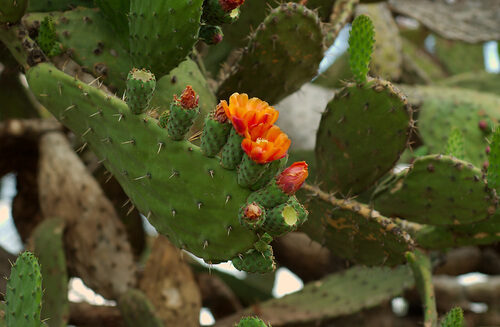
Hylocereus megalanthus
(K. Schum. ex Vaupel) Ralf Bauer
Yellow pitahaya
iNaturalist· cc-by-nc
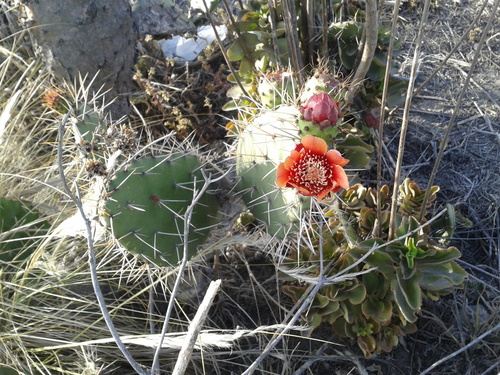
(c) coqwallon, some rights reserved (CC BY-NC)
iNaturalist· cc-by-nc
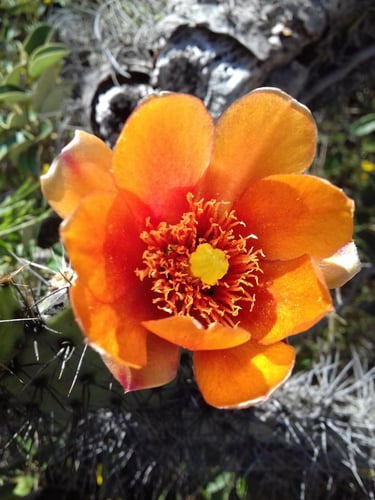
(c) coqwallon, some rights reserved (CC BY-NC)
iNaturalist· cc-by-nc
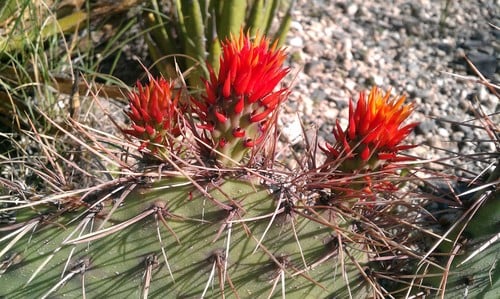
(c) coqwallon, some rights reserved (CC BY-NC)
Summary
Source: WikipediaHylocereus megalanthus is a fast-growing evergreen shrub reaching 2 m tall and 0.5 m wide. Hardy to UK zone 10. Self-fertile with night-blooming flowers that attract pollinators. Thrives in light, medium, or heavy well-drained soils in mildly to very acidic conditions. Requires full sun and tolerates both drought and moist soil.
Description
A cactus. It is a succulent, climbing shrub. It has aerial roots that help it attach to trees. The fruit are yellow and have spines but these fall off as the fruit ripens. The fruit are 12 cm long and 7 cm wide. The thin spines on the fruit fall off as the fruit ripens.
Edible Uses
The fruit is eaten raw. It has a succulent, sweet pulp, and some forms offer an extremely delicious flavour with a thin skin. Fruits are around 12cm long and 7cm wide. Immature fruits carry tufts of thin spines that fall off naturally as the fruit ripens.
Traditional Uses
The fruit are succulent with a sweet flavour.
This uses section is brief — help expand it
Medicinal Uses
The fruit is high in protein, antioxidants, and dietary fibre, and contains more calcium than red dragon fruit. It provides magnesium, phosphorus, and potassium, along with small amounts of iron, vitamin A, vitamin C, and niacin. The seeds contain good amounts of omega-3 fatty acids.
Distribution
A tropical plant. It can tolerate high temperatures. It needs a well-drained soils and a pH below 6.
Where It Grows
Andes, Central America, Colombia, Ecuador, Peru, South America,
Cultivation
Plants can be grown by stem cuttings.
Propagation
Propagate by seed or stem cuttings.
Other Uses
The plant can be grown as an attractive flowering hedge. Its large, night-blooming flowers are rich in nectar and pollen, attracting pollinators including moths and bats. The fruit provides food for birds and mammals, and the plant's sprawling habit can offer shelter for small animals. The plant structure also provides shelter for invertebrates.
Other Information
It is cultivated and fruit are sold in local markets and also exported.
Notes
Fruit are reasonably high in folates 19μg/100.
Synonyms
Also Known As
Pitaya amarilla
References (6)
- Bernal, 2016, Catalogo de Plantas y Liquenes de Colombia, Volumen 1 p 1005
- Fern, K., 2012, Tropical Species Database http://theferns.info/tropical/
- Roa, J. A. G. & Boada, D. S. G., 2018, Fundación para el Fortalecimiento de la Fruticultura y Plantas Alimenticias no Convencionales en Colombia.
- Striegel, L., et al, 2019, Promising Tropical Fruits High in Folates. Foods 2019, 8, 363; doi:10.3390/foods8090363. www.mdpi.com/journal/foods
- van Wyk, B., 2005, Food Plants of the World. An illustrated guide. Timber press. p 212
Show all 6 references Hide references
- Wiersema, J. H. & Leon, B., 2013, World Economic Plants. A Standard Reference CRC Press. 2nd Ed. p 358