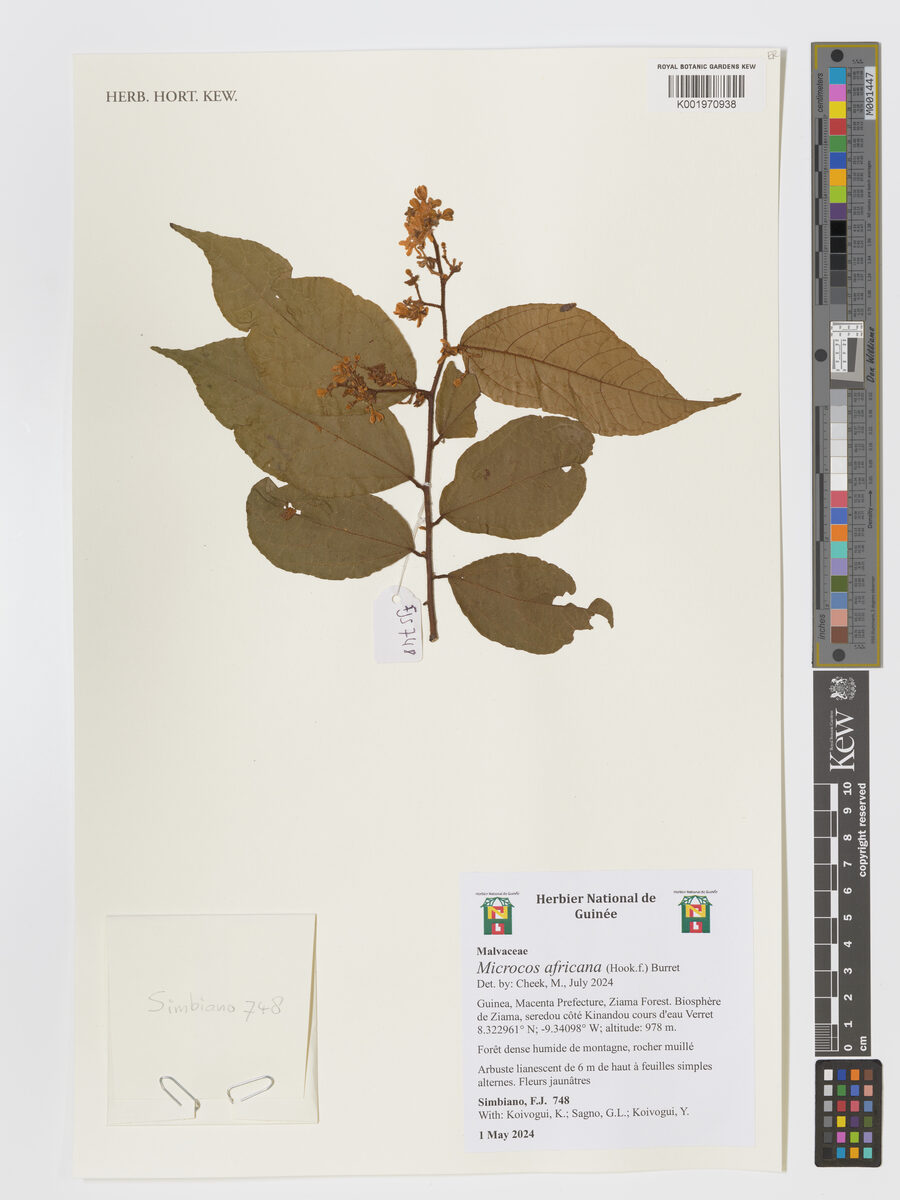
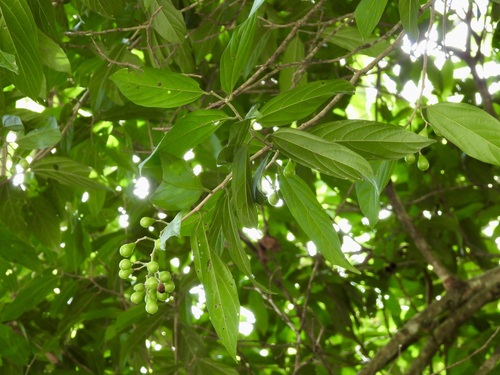
Durio lowianus
Scort. ex King
Durian sepeh
iNaturalist· cc-by-nc
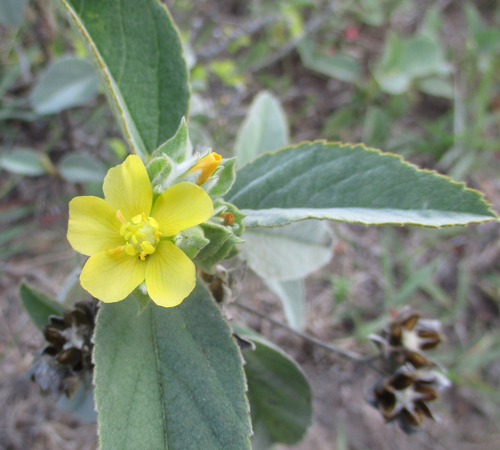
(c) Irfan Nurarifin, some rights reserved (CC BY-NC), uploaded by Irfan Nurarifin
iNaturalist· cc-by-nc
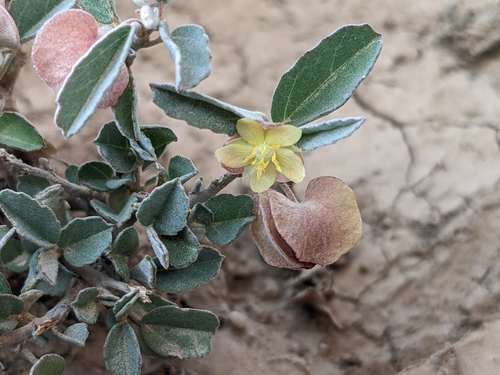
(c) Riki Prayoga, some rights reserved (CC BY-NC)
Summary
Source: WikipediaDurio lowianus is a species of tree in the family Malvaceae sensu lato. It is native from Peninsular Thailand to Sumatra.
Description
A tree. It grows up to 40 m tall. The trunk is 60 cm across. The flowers are red. The fruit is a capsule like a durian. It has slender spines. It is deep green colour. The fleshy layer or aril around the seeds in dark yellow.
Edible Uses
The sweet fruit pulp is eaten. The globose fruit is up to 25 cm long, the outside is green or yellowish with slender spines, the flesh dark yellow.
Traditional Uses
The flesh around the seeds is eaten raw or salted.
This uses section is brief — help expand it
Distribution
A tropical plant. It grows in rain forests up to 150 m altitude.
Where It Grows
Asia, Australia, Indochina, Indonesia*, Malaysia*, SE Asia, Thailand,
Cultivation
Plants can be grown from seeds. Germination usually takes 12-21 days.
Propagation
Seed - usually germinates rapidly, within a few days to a few weeks. The germination rates for fresh seed is 100% in 12 - 21 days for D. Lowianus.
Other Uses
Durian wood is classified as non-durable under tropical conditions. Test sticks 50 mm x 50 mm x 600 mm had decomposed in graveyard tests in Malaysia in 1.7 years. The density of the wood is 560-730 kg/m cubic at 15% moisture content. We do not have any more information on the wood of this species. However, a general description of the wood for species in this genus is as follows:- The heartwood is pink-brown, red, or deep red-brown; it is not always sharply demarcated from the white, pale yellow-brown or light reddish-yellow sapwood. The texture is coarse; the grain straight to interlocked; somewhat lustrous; it is reported to have a foetid odour. The wood is not durable, and not resistant to termite attack; the sapwood is prone to powder-post beetle attack. It dries rapidly, but thin boards may tend to cup. The wood saws easily and generally dresses smoothly; nailing qualities are good. It is used for purposes such as furniture components, veneer and plywood, light construction.
Notes
There are about 20 Durio species. Also put in the family Durionaceae. In the subfamily Bombacoideae. It is used as a rootstock for durian as it is resistant to fungal root rot.
Synonyms
Also Known As
Durian au, Sempak toh
References (12)
- Dodo, 2015, Keanekaragaman dan konservasi Tumbuhan Buah Langka Indonesia. Pusat Konservasi Tumbuhan Kebun Raya – LIPI. Warta Kebun Raya 13(2)
- Hanum, F. I., 1999, Plant Diversity and Conservation Value of Ayer Hitam Forest, Selangor, Peninsula Malaysia. Pertanika J. Trop. Agric. Sci. 22(2):73-83
- INFOODSUpdatedFGU-list.xls
- Khoo, H. E., et al, 2008, Carotenoid Content of Underutilized Tropical Fruits. Plant Foods for Human Nutrition 63:170-175
- Milow, P., et al, 2013, Malaysian species of plants with edible fruits or seeds and their evaluation. International Journal of Fruit Science. 14:1, 1-27
Show all 12 references Hide references
- Mohd, N. G. et al, 2014, A Preliminary Flora Survey in Gunung Kajang, Pulau Tioman, Pahang Darul Makmur, Malaysia. Malays. Appl. Biol. 43(2): 17-23
- Norfaizal, , M., et al, 2014, Flora Diversity of Sungai Teris, Karu Wildlife reserve, Pahang, Malaysia. Journal of Wildlife and Parks (2014) 28 : 81-91
- Ong, H., et al, 2012, Traditional knowledge and usage of edible plants among the Semai community of Kampung Batu 16, Tapah, Perak, Malaysia. Scientific Research and Essays Vol. 7(4), pp. 441-445, 30 January, 2012
- PROSEA (Plant Resources of South East Asia) handbook, Volume 2, 1991, Edible fruits and nuts.
- Verheij, E. W. M. and Coronel, R.E., (Eds.), 1991, Plant Resources of South-East Asia. PROSEA No 2. Edible fruits and nuts. Pudoc Wageningen. p 331
- www.worldagroforestrycentre.org/sea/products/afdbases/af/asp/SpeciesInfo.asp?SpID=18181
- Zawiah, N. & Othaman, H., 2012, 99 Spesies Buah di FRIM. Institut Penyelidikan Perhutanan Malaysia. p 100