Diospyros chamaethamnus
Mildbr.
Sand apple
iNaturalist· cc-by-nc
(c) Peter Erb, some rights reserved (CC BY-NC)
iNaturalist· cc-by-nc
(c) Peter Erb, some rights reserved (CC BY-NC)
iNaturalist· cc-by-nc
(c) Peter Erb, some rights reserved (CC BY-NC)
Summary
Source: WikipediaDiospyros chamaethamnus, called sand apple in English, is a plant which can be found in Namibia. It is a relative of persimmons and ebony and like these provides useful wood and edible fruit. It may also have medical properties and some other uses in managing malaria.
Description
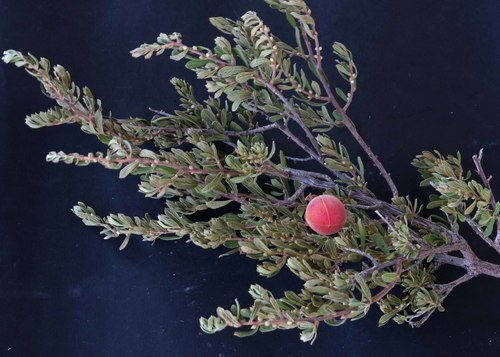
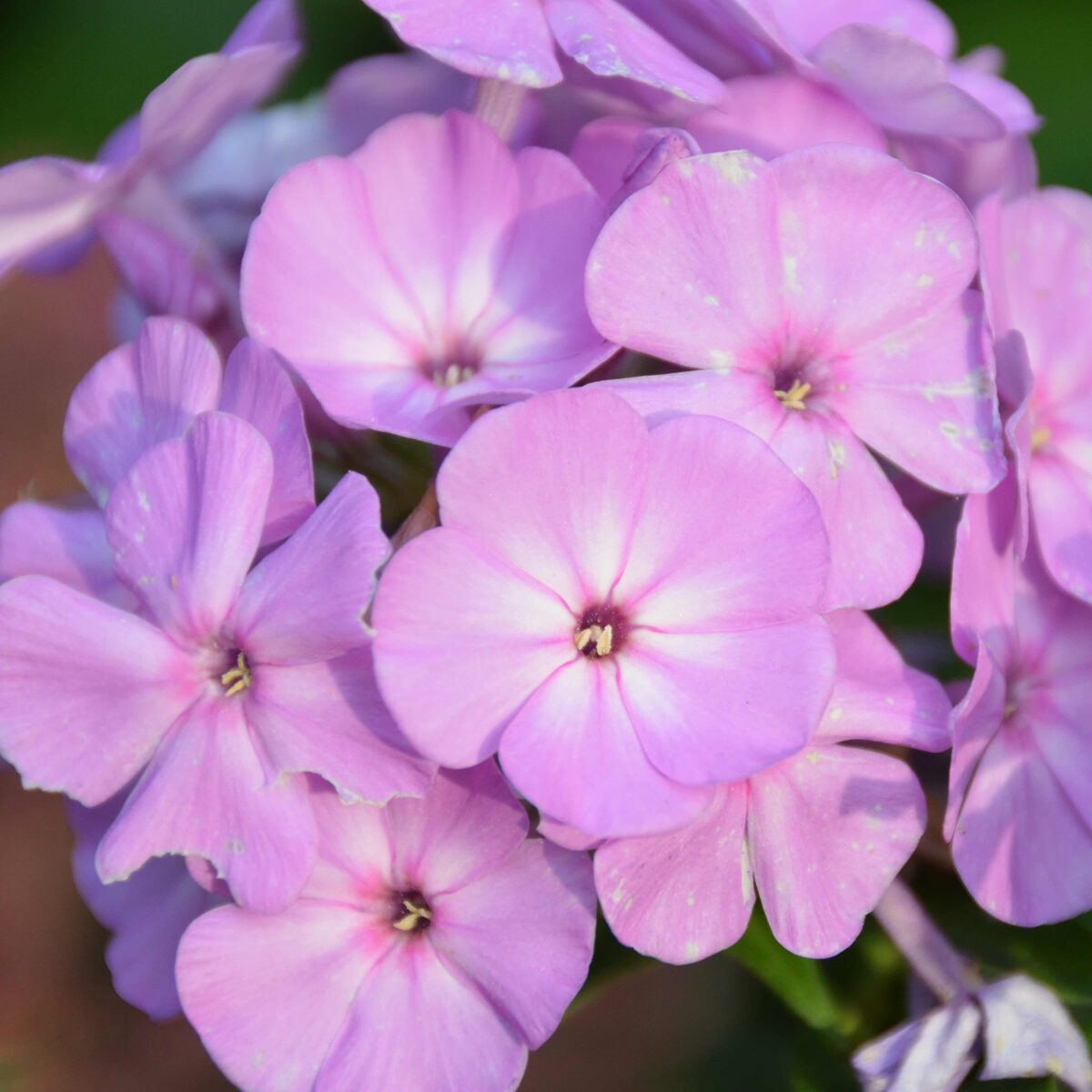
A small evergreen shrub. It grows 50-100 cm high. It forms dense colonies. It has underground stems that branch often. The leaves are dark green and shiny above. They have a reddish-brown colour underneath. The flowers are white and they have a strong scent. The fruit are oval and brown.
Edible Uses
The fruit flesh is sucked fresh or made into drinks, used as a coffee substitute, in alcoholic beverages, and added to soups. The fruit are pounded to remove seeds before adding to water. Kernels from green fruit seeds are also eaten.
Traditional Uses
The flesh of the fruit is sucked. It is also used to make a drink. It is used as a coffee substitute and also used for alcoholic drinks. The fruit can be used in soups. The fruit are pounded to remove the seeds and then added to water. The kernels of the seeds are eaten from green fruit.
Medicinal Uses
The fruit is important in the traditional diet of some Bushmen communities.
Distribution
It is a tropical plant. It grows in areas with a rainfall of about 500 mm. It grows in deep dry sandy soils. It can grow in salty soils. It grows between 300-1,000 m above sea level. It can grow in arid places.
Where It Grows
Africa, Angola, Botswana, Central Africa, East Africa, Namibia, Southern Africa, Zambia,
Cultivation
The plant has adapted to grow in areas where bush fires are common - sometimes every year - and it produces semi-woody rather than fully woody stems. These are often burnt down at the end of their first year's growth and so the plant produces a new flush of unbranched stems up to 30cm tall each year. If they are not burned down, then the stems increase in height to 45cm or more in their second year, when they sometimes also produce some side branches. A dioecious species, both male and female forms need to be grown if fruit and seed are required.
Propagation
Seed - in general the seed of Diospyros species has a very short viability and so should be sown as soon as possible. The flesh should be removed since this contains germination inhibitors. Sow the seed in a shady position in a nursery seedbed. The sowing media for ebony uses soil and fine sand at the ratio 3:1. The seed is planted horizontally or vertically with the radicle end down, with a sowing depth of 1 - 1½ times the thickness of seed. Distance between the seeds is 3 - 5cm. Seeds are very sensitive to desiccation during germination and early growth, so must be regularly watered at this time. Normally the seed will germinate after one week. As a rule fresh seeds have a high percentage of fertility. The seedlings develop long taproots at an early stage, often before any appreciable elongation of the shoot takes place. The growth of the seedling is decidedly slow .
Other Information
The fruit is important in the diet of some Bushmen.
Nutrition
| Part | Moisture | kJ | kcal | Protein | Vit A | Vit C | Iron | Zinc |
|---|---|---|---|---|---|---|---|---|
| Fruit | 60.1 | — | — | — | — | — | — | — |
Also Known As
Dwarf jackal-berry, Makokothi, Mukuevu, Mungo-ngolo, Shikwewo, Tscaha
References (16)
- Fowler, D. G., 2007, Zambian Plants: Their Vernacular Names and Uses. Kew. p 23
- Fox, F. W. & Young, M. E. N., 1982, Food from the Veld. Delta Books. p 185
- INFOODS:FAO/INFOODS Databases
- Lee, 1979,
- Leger, S., 1997, A Description of Today's Use of Plants in West Bushmanland (Namibia). German Development Service. PO Box 220035, 14061 Berlin, Germany. http://www.sigridleger.de/book/
Show all 16 references Hide references
- Maguire, 1978,
- Mannheimer, C. A. & Curtis. B.A. (eds), 2009, Le Roux and Muller's Field Guide to the Trees and Shrubs of Namibia. Windhoek: Macmillan Education Namibia. p 388
- Marshall, 1976,
- Peters, C. R., O'Brien, E. M., and Drummond, R.B., 1992, Edible Wild plants of Sub-saharan Africa. Kew. p 104
- Plowes, N. J. & Taylor, F. W., 1997, The Processing of Indigenous Fruits and other Wildfoods of Southern Africa. in Smartt, L. & Haq. (Eds) Domestication, Production and Utilization of New Crops. ICUC p 190
- Rodin, 1985,
- Royal Botanic Gardens, Kew (1999). Survey of Economic Plants for Arid and Semi-Arid Lands (SEPASAL) database. Published on the Internet; http://www.rbgkew.org.uk/ceb/sepasal/internet [Accessed 16th April 2011]
- Ruiters-Welcome, A. K., 2019, Food plants of southern Africa. Ph.D. thesis. Univ. of Johannesburg p 52
- Wehmeyer, A. S, 1986, Edible Wild Plants of Southern Africa. Data on the Nutrient Contents of over 300 species
- Welcome, A. K. & Van Wyk, B.-E., 2019, An inventory and analysis of the food plants of southern Africa. South African Journal of Botany 122 (2019) 136–179
- World Checklist of Useful Plant Species 2020. Royal Botanic Gardens, Kew