Diospyros heudelotii
Hiern
iNaturalist· cc-by-nc
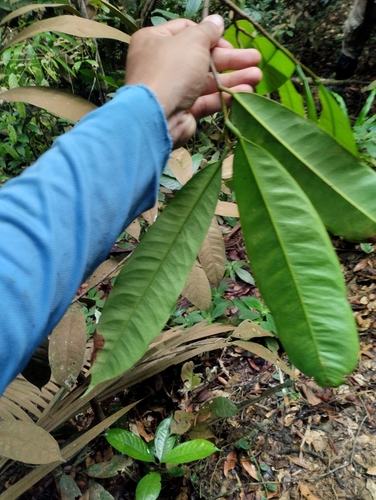
(c) Carel Jongkind, some rights reserved (CC BY-NC), uploaded by Carel Jongkind
iNaturalist· cc-by-nc
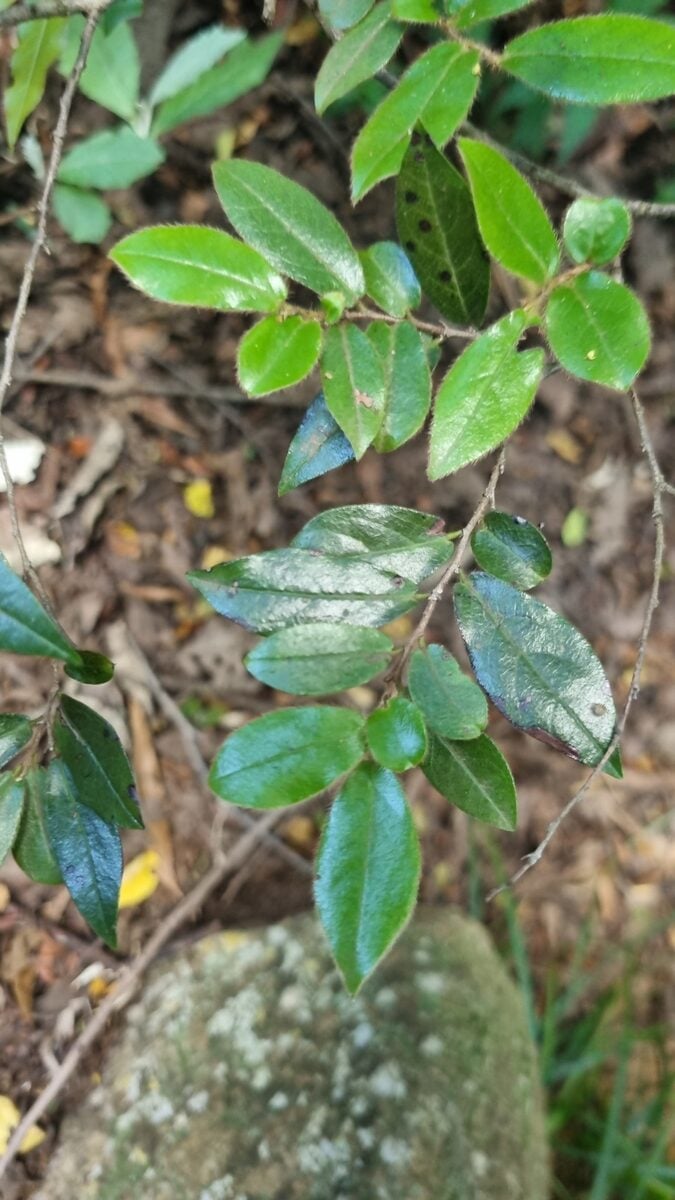
(c) Carel Jongkind, some rights reserved (CC BY-NC)
Description
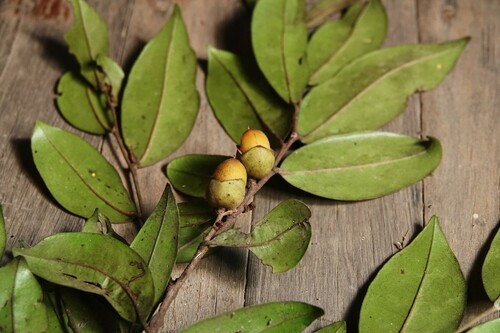
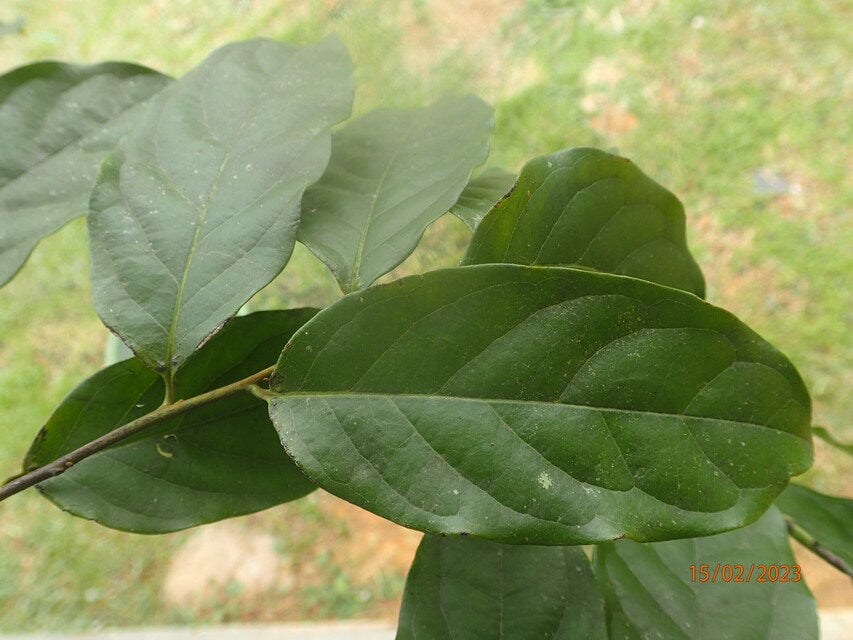
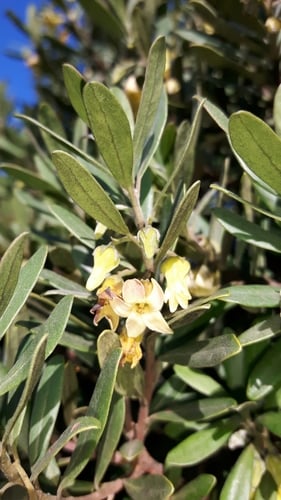
A tree. It grows 20 m high. The trunk is straight. The leaves are simple and alternate. The leaves and flowers emit a coarse smell. It can produce flowers and fruit on the trunk. The flowers are white or pale yellow. The ripe fruit are yellow or orange. There is only a thin layer around the seed.
Edible Uses
The fruit is eaten and the nuts are pressed for oil.
Medicinal Uses
The roots are used as a purgative. Unspecified parts of the plant are used as a remedy for kidney troubles, constipation and food-poisoning.
Distribution
A tropical plant. It grows in the lower storey of evergreen forest in West Africa.
Where It Grows
Africa, Côte d'Ivoire, Ghana, Guinea, Guinée, Guinea-Bissau, Ivory Coast, Liberia, Senegal, Sierra Leone, West Africa,
Cultivation
The leaves and flowers emit a coarse smell which is likened in some Sierra Leonean names to that of rank flatulence. A dioecious species, both male and female forms need to be grown if fruit and seed are required
Propagation
Seed - in general the seed of Diospyros species has a very short viability and so should be sown as soon as possible. The flesh should be removed since this contains germination inhibitors. Sow the seed in a shady position in a nursery seedbed. The sowing media for ebony uses soil and fine sand at the ratio 3:1. The seed is planted horizontally or vertically with the radicle end down, with a sowing depth of 1 - 1½ times the thickness of seed. Distance between the seeds is 3 - 5cm. Seeds are very sensitive to desiccation during germination and early growth, so must be regularly watered at this time. Normally the seed will germinate after one week. As a rule fresh seeds have a high percentage of fertility. The seedlings develop long taproots at an early stage, often before any appreciable elongation of the shoot takes place. The growth of the seedling is decidedly slow .
Other Uses
The twigs are chewed as a tooth-cleaner. The pink wood is hard. When freshly cut it sinks in water. The flexible stems are used for spring-traps.
Other Information
It is only an occasional food.
Notes
There are about 485 species of Diospyros mostly in the tropics.
Synonyms
Also Known As
A-ngunk, Bukbubili, Culum, Cussito, Difine, Din-mese, Ditueh, Duabiri, Ebangleba, Iatete, Lafa, Malefu, Malifu, Mantok, Ndokuwuli, N'jangugurta, Oson-akenkye, Pesiwe, Sanza brika, Silabono, Tei-guru, Tonyambe, Yatete
References (7)
- Burkill, H. M., 1985, The useful plants of west tropical Africa, Vol. 2. Kew.
- Busson, 1965,
- Dalziel, J. M., 1937, The Useful plants of west tropical Africa. Crown Agents for the Colonies London.
- Gueye, M., et al, 2014, Wild Fruits Traditionally Gathered by the Malinke Ethnic Group in the Edge of Niokolo Koba Park (Senegal). American Journal of Plant Sciences 5, 1306-1317
- Jardin, C., 1970, List of Foods Used In Africa, FAO Nutrition Information Document Series No 2.p 133
Show all 7 references Hide references
- Peters, C. R., O'Brien, E. M., and Drummond, R.B., 1992, Edible Wild plants of Sub-saharan Africa. Kew. p 105
- World Checklist of Useful Plant Species 2020. Royal Botanic Gardens, Kew