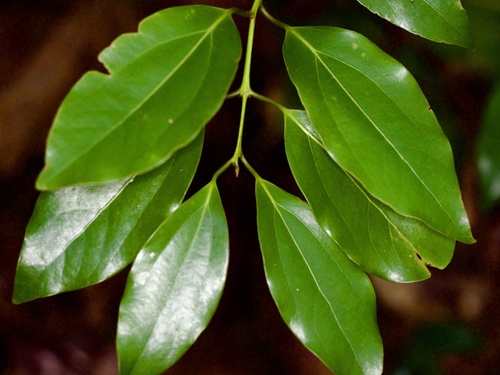
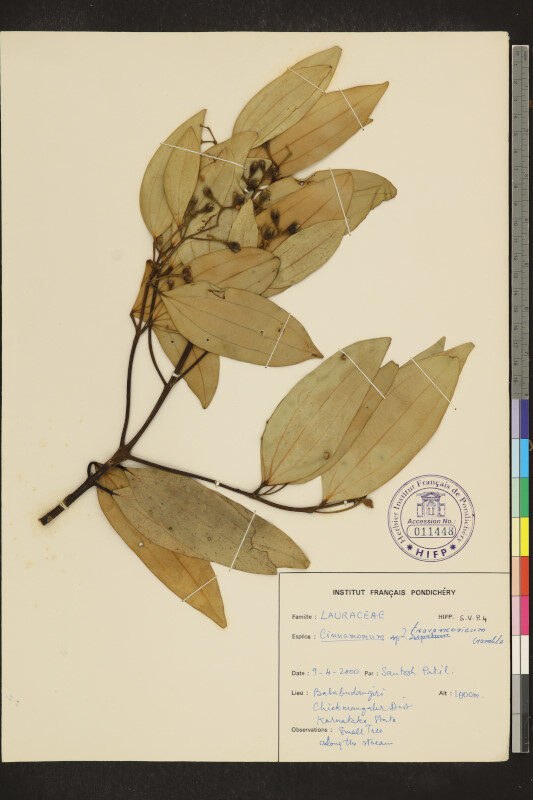
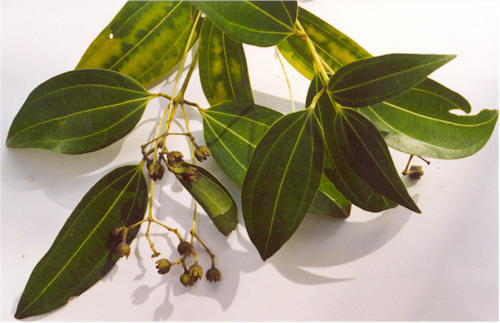
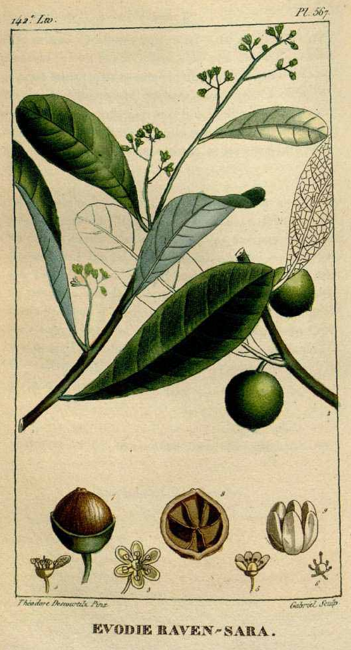
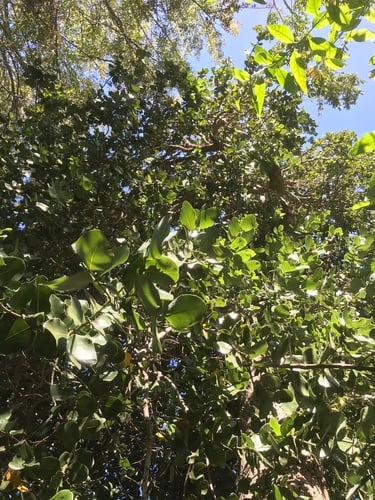
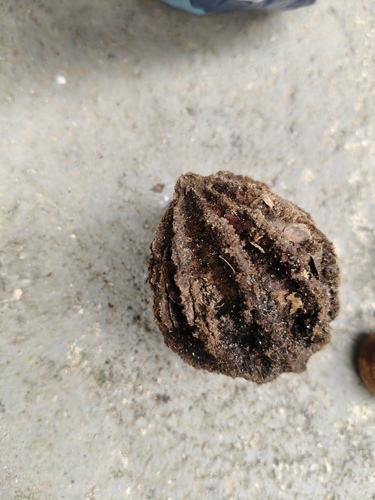
Dicypellium caryophyllatum
(Mart.) Nees
Brazil clove
Lauraceae Edible: Bark, Spice
gbif· cc-by
Royal Botanic Gardens, Kew
gbif· cc-by
Meise Botanic Garden
gbif· cc-by
Royal Botanic Gardens, Kew
Description
A tree in the Lauraceae family native to tropical America.
This description is brief — help expand it
Edible Uses
The bark is used as a spice, similar to cinnamon in flavor and application.
Traditional Uses
The bark is used as a spice like cinnamon.
This uses section is brief — help expand it
Distribution
A tropical plant. It grows in tropical America.
Where It Grows
Amazon, Brazil, French Guiana, South America,
Synonyms
Acrodiclidium guianense NeesAcrodiclidium guianense var. caudatum Meisn.Acrodiclidium guianense var. oppositifolium Meisn.Acrodiclidium guianense var. reticulatum Meisn.Nectandra cuadata Nees & Mart. ex Meisn.Persea caryophyllata Mart.
Also Known As
Bois de rose, Caneleiro-cravo, Casca-preciosa, Craveiro-do-mato, Cravinho, Licari kanah
References (5)
- Grandtner, M. M. & Chevrette, J., 2013, Dictionary of Trees, Volume 2: South America: Nomenclature, Taxonomy and Ecology. Academic Press p 200
- Hedrick, U.P., 1919, (Ed.), Sturtevant's edible plants of the world. p 270
- Kermath, B. M., et al, 2014, Food Plants in the Americas: A survey of the domesticated, cultivated and wild plants used for Human food in North, Central and South America and the Caribbean. On line draft. p 305
- Macmillan, H.F. (Revised Barlow, H.S., et al), 1991, Tropical Planting and Gardening. Sixth edition. Malayan Nature Society. Kuala Lumpur. p 380
- Seidemann J., 2005, World Spice Plants. Economic Usage, Botany, Taxonomy. Springer. p 136