Desmodium podocarpum
DC.
Wild soybean
iNaturalist· cc-by
(c) WATANABE Hitoshi 渡辺仁, some rights reserved (CC BY)
iNaturalist· cc-by
(c) WATANABE Hitoshi 渡辺仁, some rights reserved (CC BY)
iNaturalist· cc-by
(c) Repina Tatyana, some rights reserved (CC BY)
Description
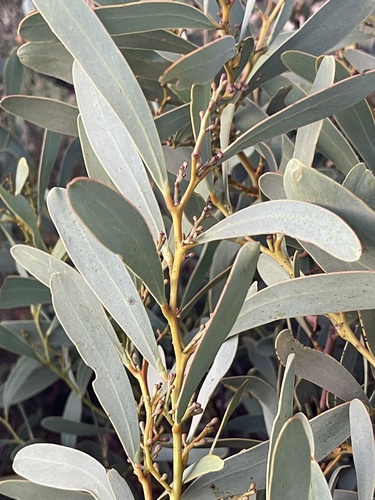
A small shrub. It grows 60-120 cm high. The branches are hairy. The leaves have 3 leaflets. The leaf stalk is 7.5 cm long and the leaflets are 7.5 cm long. The side leaflets are smaller. The pods are 1.6 cm long.
Edible Uses
The seeds are eaten.
Traditional Uses
The seeds are eaten.
This uses section is brief — help expand it
Distribution
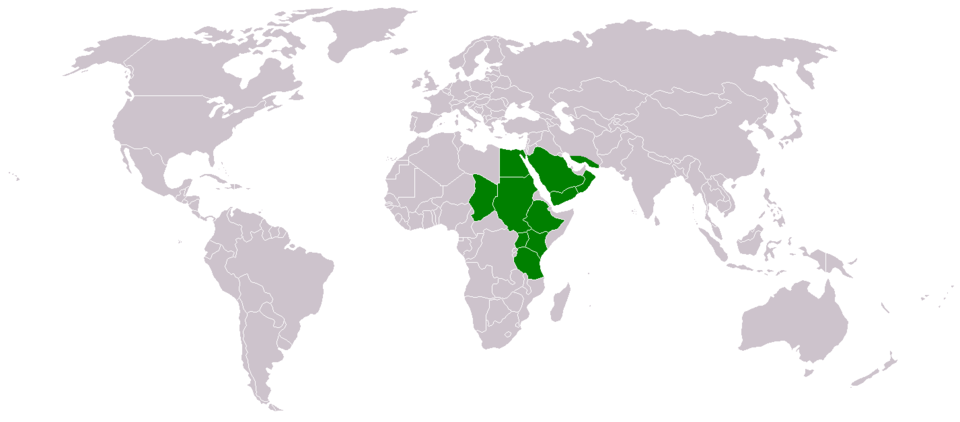
It is native to the hills of western Hubei growing at altitudes of 500-1,900 m above sea level.
Where It Grows
Asia, China, Himalayas, Indochina, Japan, Laos, Myanmar, Nepal, Pakistan, SE Asia, Taiwan, Vietnam,
Notes
There are about 350 Desmodium species. They are mostly in the tropics.
Synonyms
Also Known As
Trangqua trai-co-chan
References (4)
- Ann. Sci. Nat. (Paris) 4:102. 1825 Jan (Prodr. 2:336. 1825 Nov)
- Flora of Pakistan. www.eFloras.org
- Hu, Shiu-ying, 2005, Food Plants of China. The Chinese University Press. p 473
- Plants for a Future database, The Field, Penpol, Lostwithiel, Cornwall, PL22 0NG, UK. http://www.scs.leeds.ac.uk/pfaf/