Acacia ehrenbergiana
Hayne
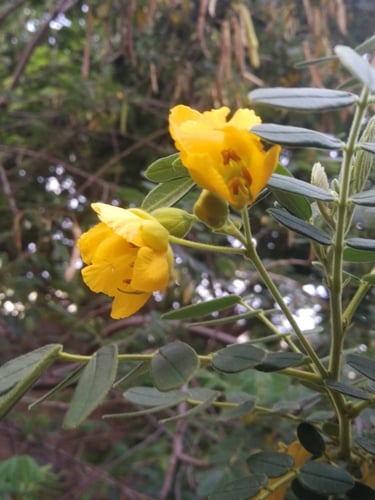
iNaturalist· cc-by-nc
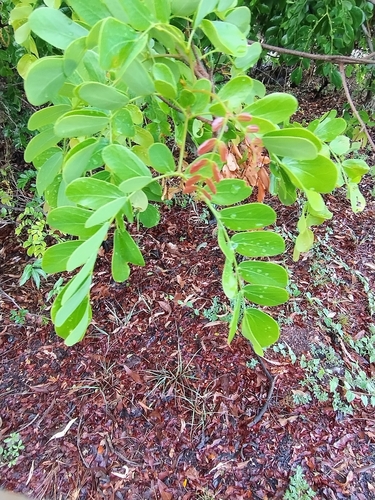
(c) Marco Grandis, some rights reserved (CC BY-NC)
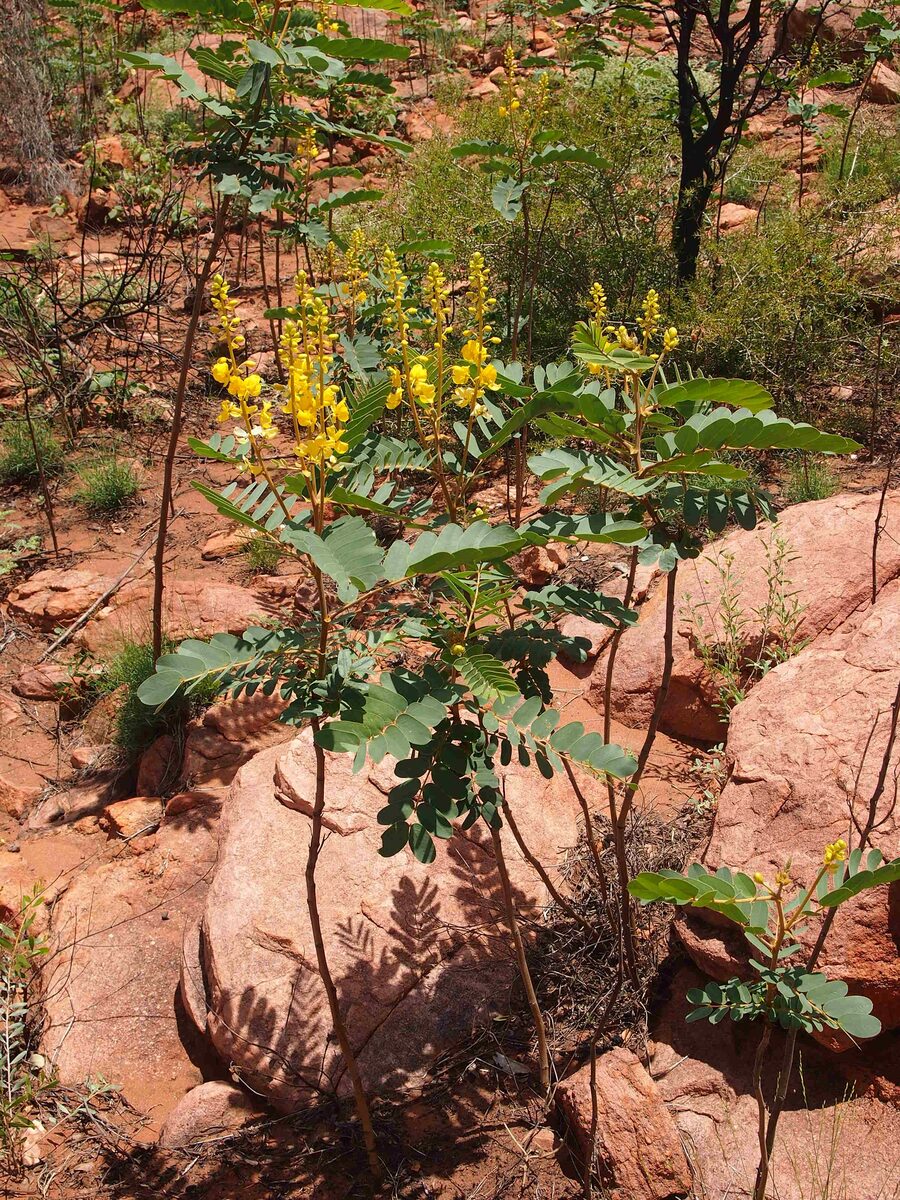
iNaturalist· cc-by-nc
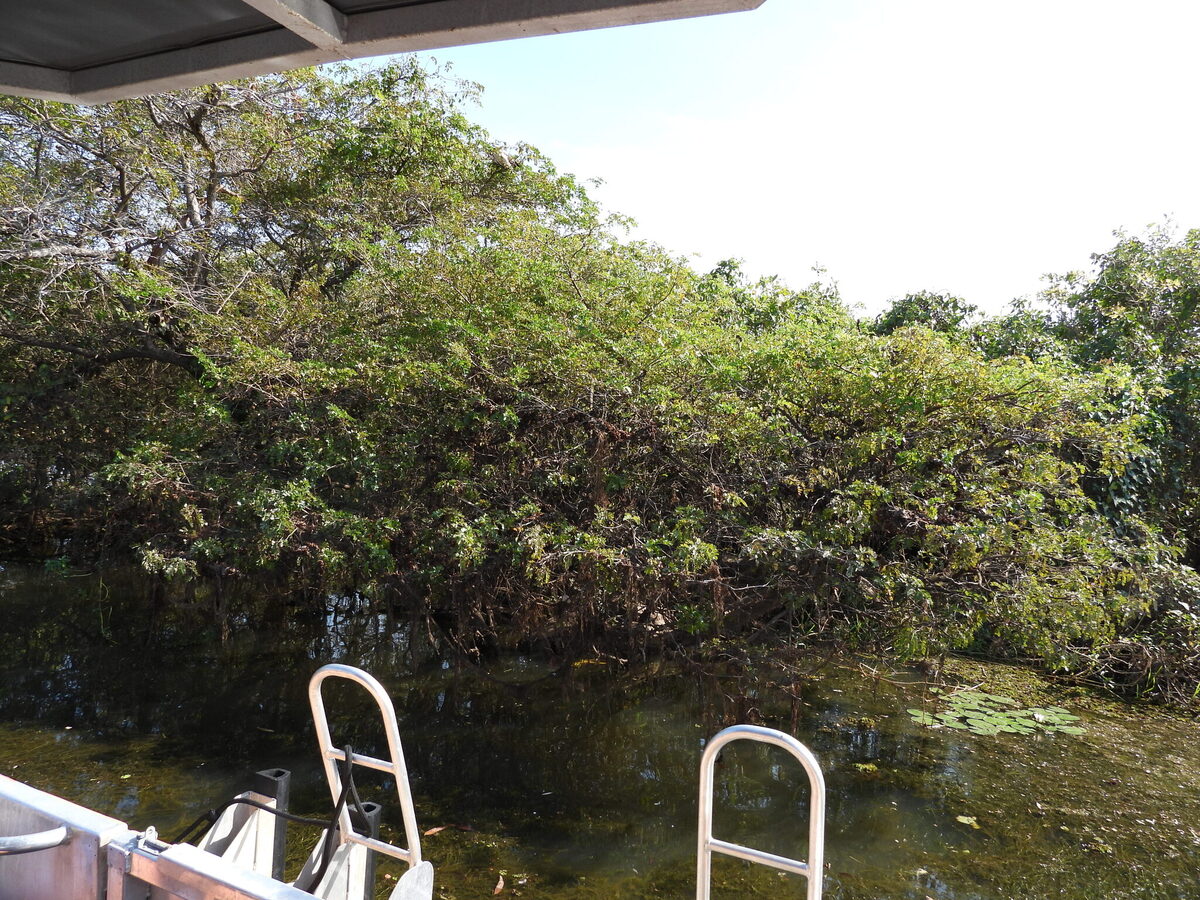
(c) Marco Grandis, some rights reserved (CC BY-NC)
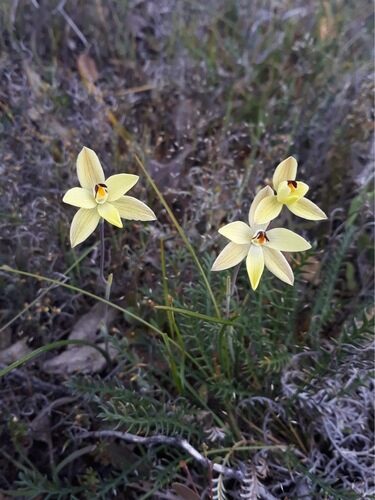
iNaturalist· cc-by-nc
(c) Chase Mathey, some rights reserved (CC BY-NC)
Description
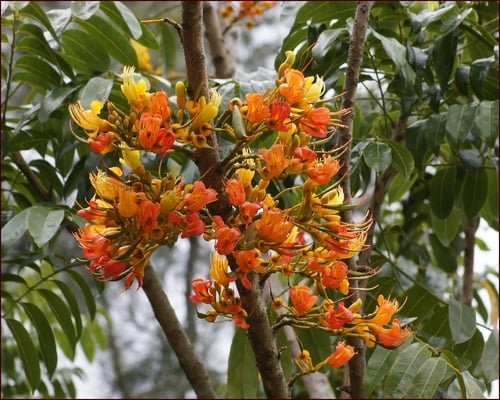
A shrub or small tree. It grows 5 m tall. There are prickles along the stem. The leaves are twice divided and there are 8-18 pairs of pinnae. There are up to 50 pairs of pinnules on each pinnae. The flowers are yellow. They are in large clusters at the ends of branches. The pods are flattened.
Edible Uses
The gum and leaves are used to make tea, though gum use is only occasional.
Medicinal Uses
This species has folk medicinal uses.
Distribution
It is a Mediterranean climate plant. It grows in desert regions. It grows in the Sahel and Sahara. It is highly resistant to drought. It can grow in areas with 50 mm of rain each years and up to 400 mm. It is often on stony soils or gravel. It can grow in arid places.
Where It Grows
Africa, Algeria, Burkina Faso, Central Africa, Chad, Djibouti, East Africa, Egypt, Ethiopia, Iran, Libya, Mali, Mauritania, Mediterranean, Middle East, Morocco, Niger, North Africa, Oman, Qatar, Sahel, Saudi Arabia, Sudan, United Arab Emirates, UAE, West Africa, Western Sahara, Yemen,
Other Information
The gum is only occasionally used.
Notes
There are about 1,350 Acacia species. Over 1,000 occur in Australia. Also as Mimosaceae. This one has folk medicinal uses.
Synonyms
Also Known As
Tamat
References (6)
- Getreue Darstell. Gew. 10:t. 29
- Hedrick, U.P., 1919, (Ed.), Sturtevant's edible plants of the world. p 19
- ILDIS Legumes of the World http:www;ildis.org/Legume/Web
- Karim, F. M. & Dakheel, A, J., 2006, Salt-tolerant plants of the United Arab Emirates. 2006. International Center for Biosaline Agriculture, Dubai, UAE. p 101
- Maydell, H. von, 1990 Trees and shrubs of the Sahel: their characteristics and uses. Margraf. p 111
Show all 6 references Hide references
- Nassif, F., & Tanji, A., 2013, Gathered food plants in Morocco: The long forgotten species in Ethnobotanical Research. Life Science Leaflets 3:17-54