Cyphomandra diploconos
(Martius) Sendtner
Guava tamarillo
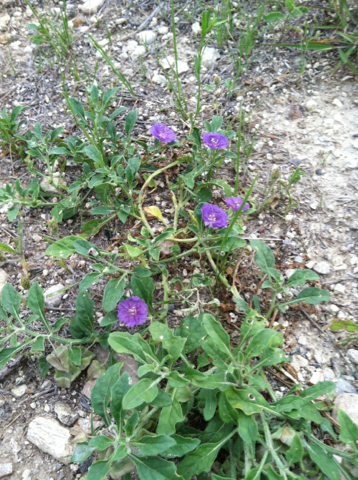
iNaturalist· cc-by-nc
(c) fernandotorres1978, some rights reserved (CC BY-NC)
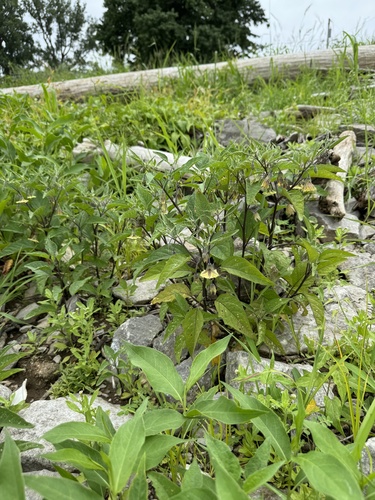
iNaturalist· cc-by-nc
(c) fernandotorres1978, some rights reserved (CC BY-NC)
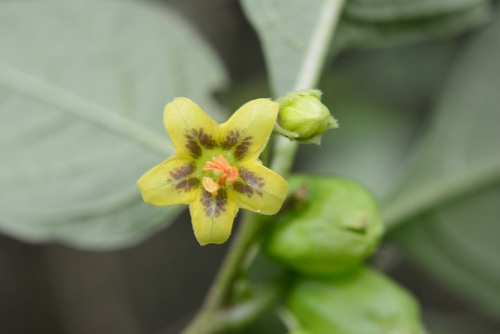
iNaturalist· cc-by-nc
(c) Micael De Bona, some rights reserved (CC BY-NC)
Description
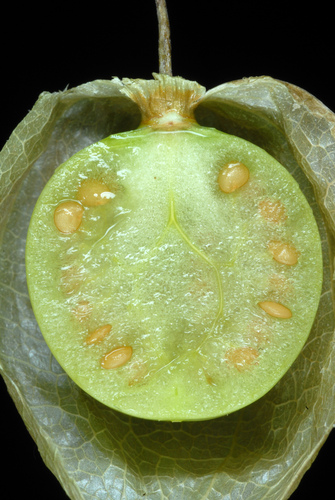
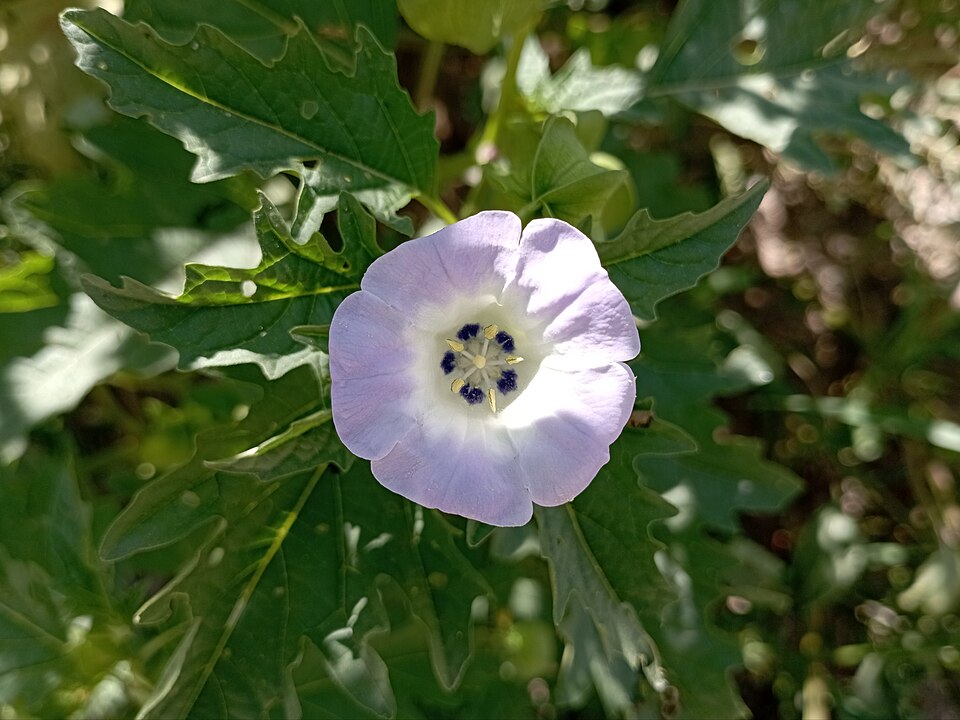
A small tree. It grows 1-4 m tall. The branches are smooth. The leaves are simple and may or may not have lobes. The fruit are small and orange. It has a tough skin. The leaves on the trunk may be unlobed or have 3-5 lobes. The blades are 10-20 cm long and 4-20 cm wide. The leaves at the cronw are in groups of 4. They are 3-15 cm long and 2-8 cm wide. There are 10-20 flowers on an unbranched stalk. The fruit are 2-6 cm long by 2-3 cm wide. They are hairy when young and smooth and orange of yellow when ripe. The seeds are 2-3 mm long.
Edible Uses
The fruit can be eaten fresh or dried; dried fruit are less leathery with a sour taste.
Traditional Uses
The fruit can be eaten. Dried fruit are less leathery and have a sour taste.
This uses section is brief — help expand it
Distribution
A tropical plant.
Where It Grows
Andes, Brazil, South America,
Notes
There are about 30 Cyphomandra species.
Synonyms
Also Known As
Baga de bugre
References (5)
- Bohs, L., 1994, Cyphomandra (Solanaceae): Flora Neotropica, Vol. 63, pp. 59
- Facciola, S., 1998, Cornucopia 2: a Source Book of Edible Plants. Kampong Publications, p 233
- Lyle, S., 2006, Discovering fruit and nuts. Land Links. p 177
- C. F. P. Martius, Fl. bras. 10:116. 1846
- Plants for a Future database, The Field, Penpol, Lostwithiel, Cornwall, PL22 0NG, UK. http://www.scs.leeds.ac.uk/pfaf/