Solanum kurzii
Brace ex Prain
Khim-kha
wikimedia· cc-by-sa
Wikimedia Commons - Vinayaraj
wikimedia· cc-by-sa
Wikimedia Commons - Franz Xaver
Summary
Source: WikipediaA hermaphroditic perennial suited to light sandy, medium loamy, and heavy clay soils with mildly acidic to mildly alkaline pH. Grows in semi-shade or full sun and favors moist soil.
Description
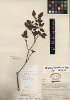
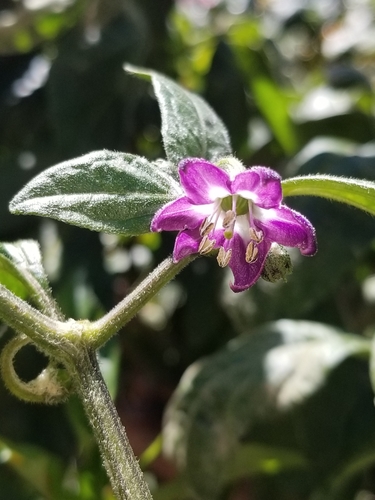
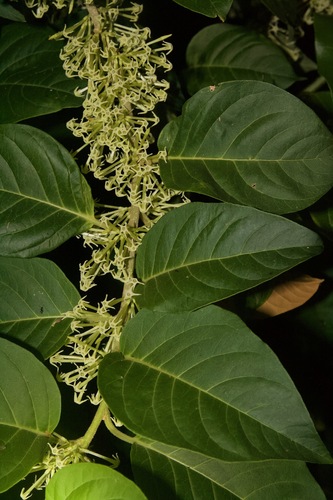
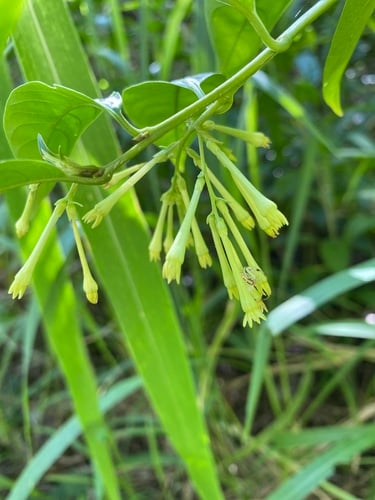
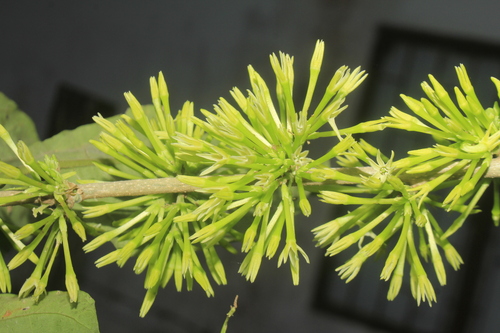
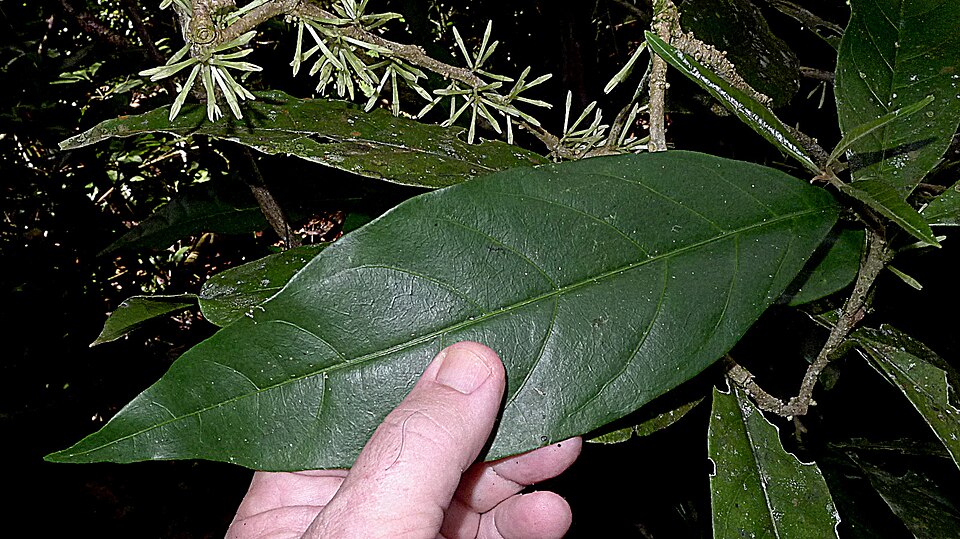
A shrub. It grows about 1 m tall. There are hairs at the edges of leaves. The leaves are oval and have irregular lobes. The flowers are small and have rusty woolly hairs. The fruit are round berries.
Edible Uses
The fruit is edible when cooked.
Traditional Uses
The fruit are cooked and eaten as a vegetable.
This uses section is brief — help expand it
Medicinal Uses
None known
Known Hazards
Although no specific mention of toxicity has been seen for this species, it belongs to a genus where many if not all the members have poisonous leaves and sometimes also the unripe fruits.
Distribution
It is a subtropical plant.
Where It Grows
Asia, Himalayas, India, Northeastern India, Sikkim,
Cultivation
We have very little information on this species and do not know if it will be hardy in Britain, though judging by its native range it could succeed outdoors at least in the milder parts of this country. The following notes are based on the general needs of the genus. Succeeds in most soils.
Propagation
Sow seed in early spring in a warm greenhouse. Once plants are large enough to handle, prick them out into individual pots and plant outside after the last expected frosts.
Other Uses
None known Special Uses
Notes
There are about 1400 Solanum species.
Also Known As
Bhekuri, Banko, Khim-kha, Tita baigun
References (6)
- Ambasta, S.P. (Ed.), 2000, The Useful Plants of India. CSIR India. p 580
- Patiri, B. & Borah, A., 2007, Wild Edible Plants of Assam. Geethaki Publishers. p 89
- Plants for a Future database, The Field, Penpol, Lostwithiel, Cornwall, PL22 0NG, UK. http://www.scs.leeds.ac.uk/pfaf/
- Samuels, J., 2015, Biodiversity of Food Species of the Solanaceae Family: A Preliminary Taxonomic Inventory of Subfamily Solanoideae. Resources 2015, 4. 277-322
- Sawian, J. T., et al, 2007, Wild edible plants of Meghalaya, North-east India. Natural Product Radiance Vol. 6(5): p 421
Show all 6 references Hide references
- Singh, H.B., Arora R.K.,1978, Wild edible Plants of India. Indian Council of Agricultural Research, New Delhi. p 78