Cyclanthera brachystachya
(Ser.) Cogn.
Cuchinito
wikimedia· cc-by-sa
H. Zell (via Wikimedia Commons)
wikimedia· cc-by-sa
H. Zell (via Wikimedia Commons)
wikimedia· cc-by-sa
H. Zell (via Wikimedia Commons)
iNaturalist· cc0
no rights reserved
iNaturalist· cc0
no rights reserved
iNaturalist· cc0
no rights reserved
Summary
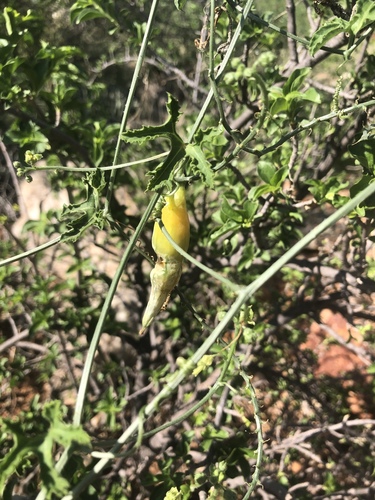
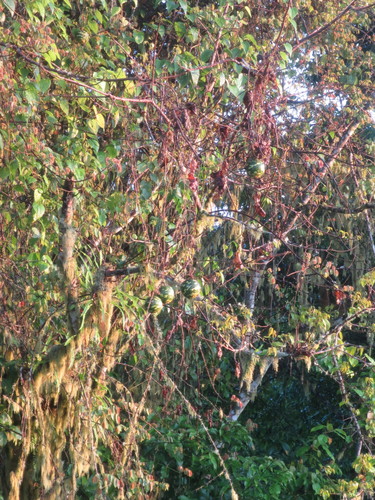
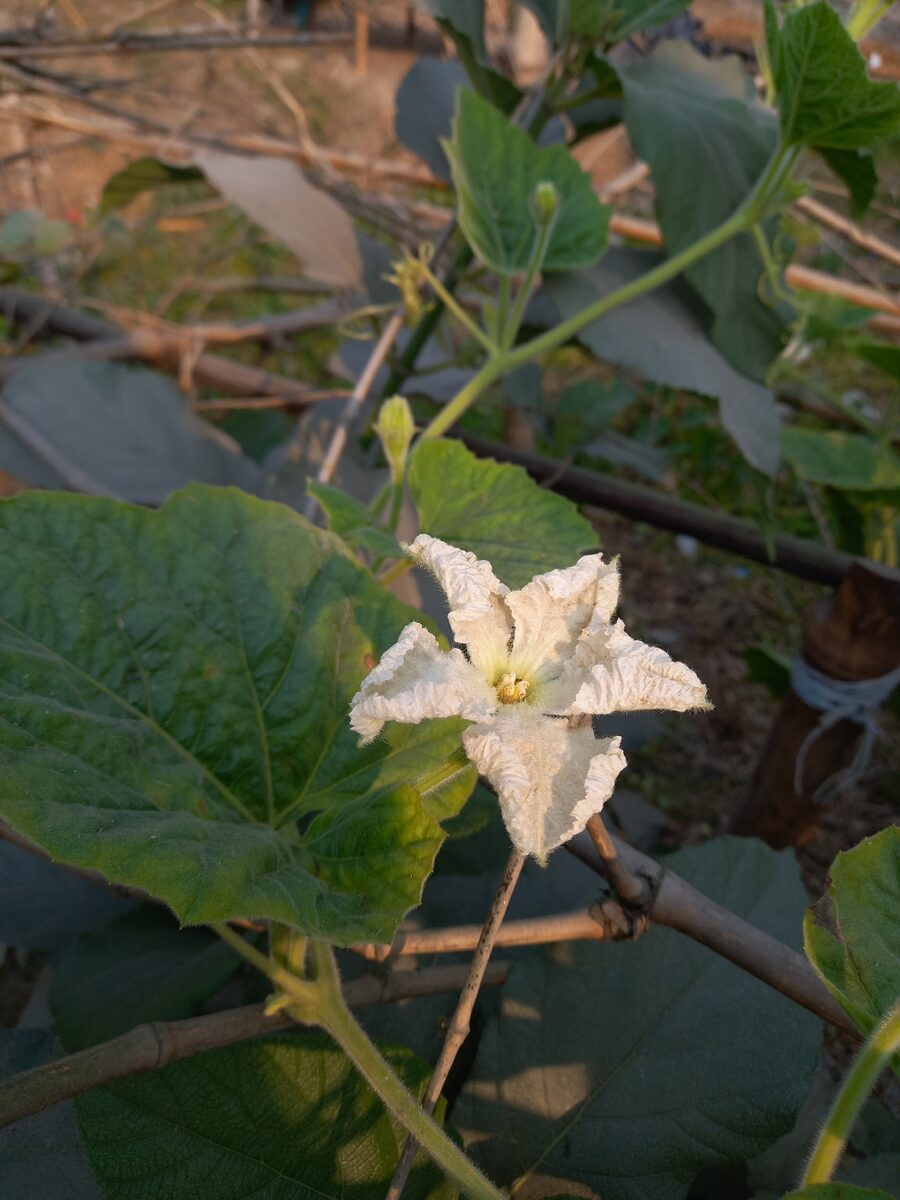
Source: WikipediaCyclanthera brachystachya, the exploding cucumber (but not to be confused with Ecballium elaterium), in the cucurbit or gourd family (Cucurbitaceae), is a herbaceous vine usually grown for its curiosity value, but the fruit is also edible.
Description
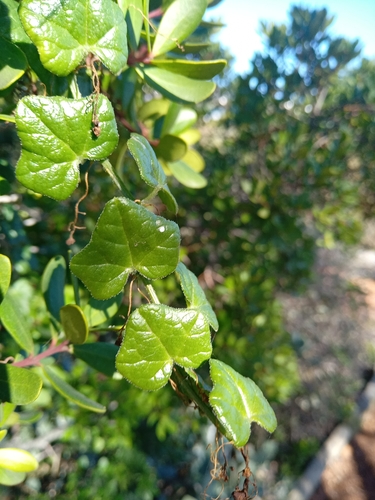
A pumpkin family plant. It grows each year from seeds. The vines are 3 m long. It can climb over other plants using tendrils. The fruit explode to release the seeds. The fruit are 2-4 cm long.
Edible Uses
Fruit - raw or cooked. Eaten in salads, pickled, or boiled in the same way as a squash. The greenish fruit is up to 4cm long.
Traditional Uses
The fruit are eaten as a vegetable. They are eaten raw in salads and also cooked.
This uses section is brief — help expand it
Medicinal Uses
None known.
Distribution
A tropical plant. It grows in shrubland. It grows between 800-3,500 m above sea level. It can tolerate some cold. It is best in a warm sunny position in a rich, well-drained soil.
Where It Grows
Africa, Andes, Asia, Cameroon, Central Africa, Central America, Colombia, Costa Rica, Ecuador, El Salvador, Guatemala, Mexico, North America, South America*,
Cultivation
Plants can be grown from seeds. They are best put in a nursery and then transplanted.
Propagation
Sow seed in mid-spring in a rich compost in a warm greenhouse. Place 2 or 3 seeds per pot and thin to the strongest seedling. Plant out after the last expected frost, providing protection such as a cloche until plants are establishing well.
Other Uses
None known.
Other Information
It is sometimes cultivated.
Synonyms
References (8)
- Diagn. Cucurb. nouv. 2:64. 1877
- Fern, K., 2012, Tropical Species Database http://theferns.info/tropical/
- Kermath, B. M., et al, 2014, Food Plants in the Americas: A survey of the domesticated, cultivated and wild plants used for Human food in North, Central and South America and the Caribbean. On line draft. p 288 (As Cyclanthera explodens)
- Grubben, G. J. H. and Denton, O. A. (eds), 2004, Plant Resources of Tropical Africa 2. Vegetables. PROTA, Wageningen, Netherlands. p 278
- Plants for a Future database, The Field, Penpol, Lostwithiel, Cornwall, PL22 0NG, UK. http://www.scs.leeds.ac.uk/pfaf/
Show all 8 references Hide references
- Roa, J. A. G. & Boada, D. S. G., 2018, Fundación para el Fortalecimiento de la Fruticultura y Plantas Alimenticias no Convencionales en Colombia.
- Wiersema, J. H. & Leon, B., 2013, World Economic Plants. A Standard Reference CRC Press. 2nd Ed. p 223
- World Checklist of Useful Plant Species 2020. Royal Botanic Gardens, Kew