Kedrostis pseudogijef
(Gilg.) C. Jeffrey
gbif· cc-by
Royal Botanic Gardens, Kew
gbif· cc-by
Royal Botanic Gardens, Kew
gbif· cc-by
Royal Botanic Gardens, Kew
Description
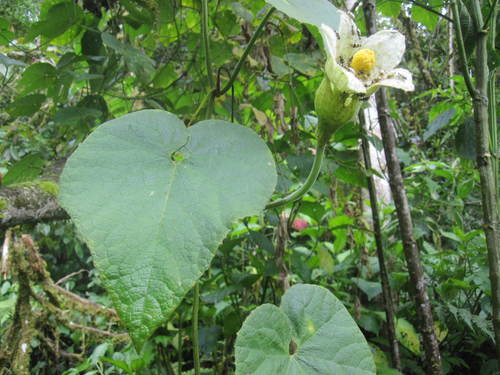
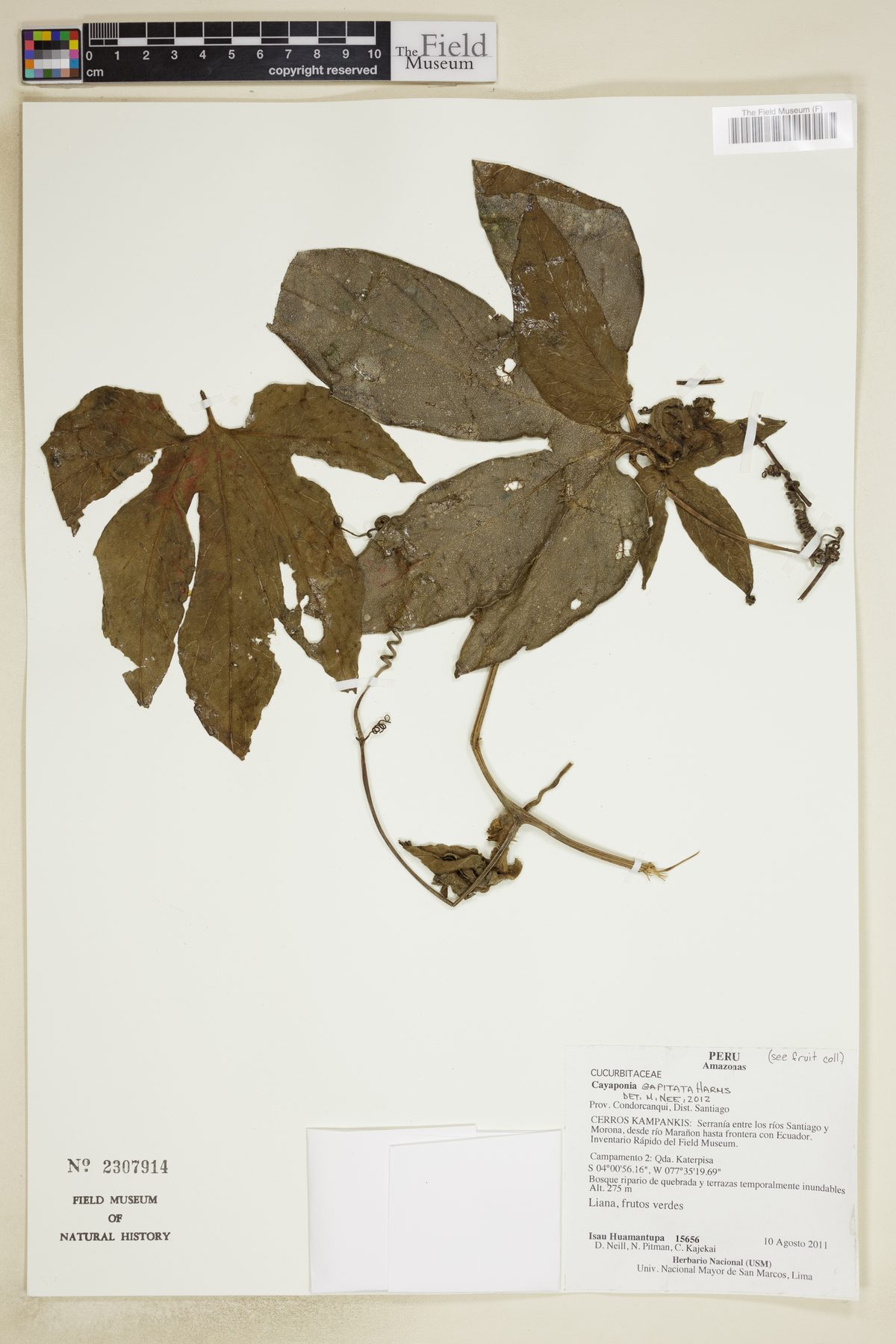
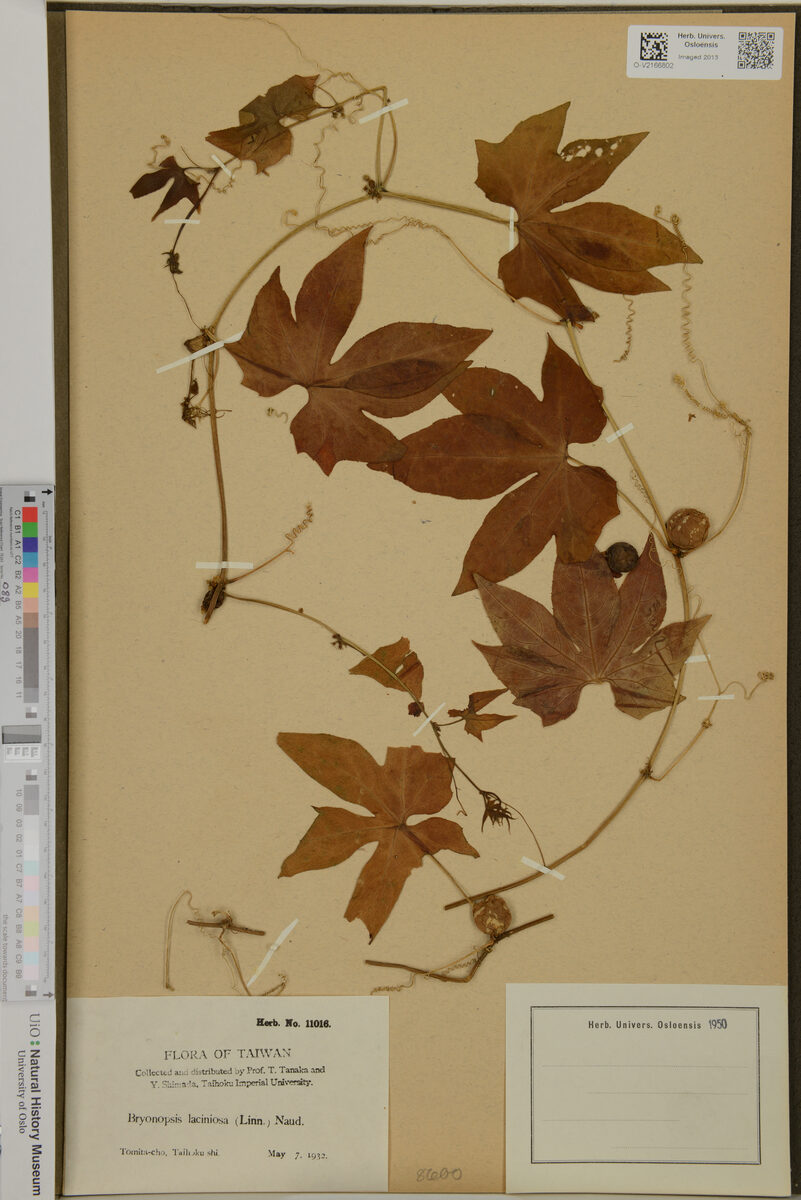
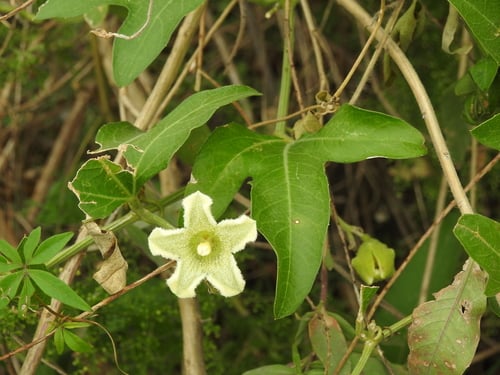
A climbing plant. It loses its leaves during the year. The stems are light grey and have ridges. They are rough and have tendrils. The leaves are 5 cm long and have 3 leaflets. There are teeth around the edges. Male and female flowers are separate. There are many male flowers and a few female flowers. They are born in clusters. The fruit are in clusters of 1-7. They are cone shaped and roughly hairy. They have grooves They are 2 cm long and fleshy.
Edible Uses
The leaves are cooked and eaten as a vegetable, typically with the first cooking water discarded due to an unpleasant smell. The fruit is also edible. It is grown as a crop in dry areas and is used as a famine food.
Traditional Uses
The leaves are cooked and eaten. Because it has an unpleasant smell when cooking the first water is often thrown away.
This uses section is brief — help expand it
Distribution
It is a tropical plant. In Kenya it grows in dry rocky soil between 500-1.200 m altitude. It is in areas with a rainfall between 450-600 mm per year.
Where It Grows
Africa, East Africa, Ethiopia, Kenya, Tanzania, Uganda,
Cultivation
It can be grown by cuttings. It can also probably be grown from seeds.
Propagation
Seed - Cuttings - taken at the start of the rainy season.
Other Information
A famine food. It is grown in some places as a crop for dry areas.
Nutrition
| Part | Moisture | kJ | kcal | Protein | Vit A | Vit C | Iron | Zinc |
|---|---|---|---|---|---|---|---|---|
| Leaves | 88 | — | — | 3 | — | 33.9 | — | — |
Also Known As
Essatta, Isatta, Mukarw'u, Naja
References (11)
- Addis, G., Asfaw, Z & Woldu, Z., 2013, Ethnobotany of Wild and Semi-wild Edible Plants of Konso Ethnic Community, South Ethiopia. Ethnobotany Research and Applications. 11:121-141
- Addis, G., et al, 2013, The Role of Wild and Semi-wild Edible Plants in Household Food Sovereignty in Hamer and Konso Communities, South Ethiopia. Ethnobotany Research & Applications. 11:251-271
- Edwards. S., et al, (Eds), 1995, Flora of Ethiopia and Eritrea. Vol.2, Part 2 Canellaceae to Euphorbiaceae. Uppsala, Sweden. p 24
- Grubben, G. J. H. and Denton, O. A. (eds), 2004, Plant Resources of Tropical Africa 2. Vegetables. PROTA, Wageningen, Netherlands. p 342
- Lulekal, E., et al, 2011, Wild edible plants in Ethiopia: a review on their potential to combat food insecurity. Afrika Focus - Vol. 24, No 2. pp 71-121
Show all 11 references Hide references
- Maundu, P. et al, 1999, Traditional Food Plants of Kenya. National Museum of Kenya. 288p
- Mutie, F. G., 2020, Conservation of Wild Food Plants and Their Potential for Combatting Food Insecurity in Kenya as Exemplified by the Drylands of Kitui County. Plants 2020, 9, 1017
- Mutie, F. M., et al, 2023, Important Medicinal and Food Taxa (Orders and Families) in Kenya, Based on Three Quantitative Approaches. Plants 2023, 12, 1145
- Ngugi, G., 1999, Case study from Kenya in Indigenous Wild Vegetables. Workshop in Kenya. USAID p 50
- Ocho, D. L., et al, 2012, Assessing the levels of food shortage using the traffic light metaphor by analyzing the gathering and consumption of wild food plants, crop parts and crop residues in Konso, Ethiopia. Journal of Ethnobiology and Ethnomedicine 8:30
- World Checklist of Useful Plant Species 2020. Royal Botanic Gardens, Kew