Cycas circinalis subsp. riumuniana
L., (Porte) Schust.
Pitogo
iNaturalist· cc-by
(c) T R Shankar Raman, some rights reserved (CC BY)
iNaturalist· cc-by-nc
(c) Madhushri Mudke, some rights reserved (CC BY-NC), uploaded by Madhushri Mudke
iNaturalist· cc-by
(c) T R Shankar Raman, some rights reserved (CC BY)
Summary
Source: WikipediaCycas circinalis, also known as the queen sago, is a species of cycad known in the wild only from southern India. Cycas circinalis is the only gymnosperm species found among native Sri Lankan flora.
Description
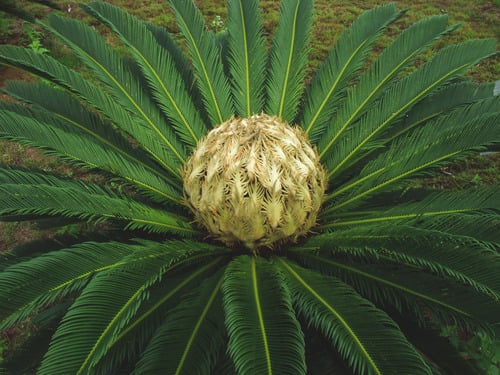
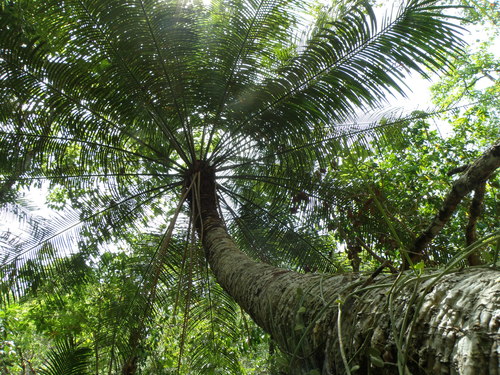
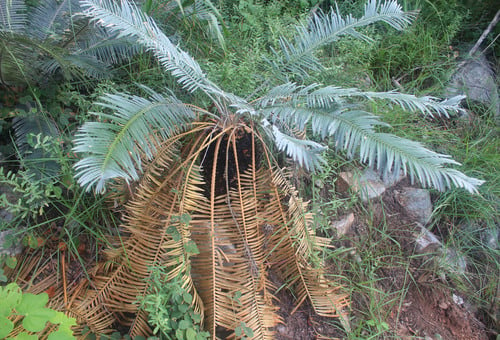
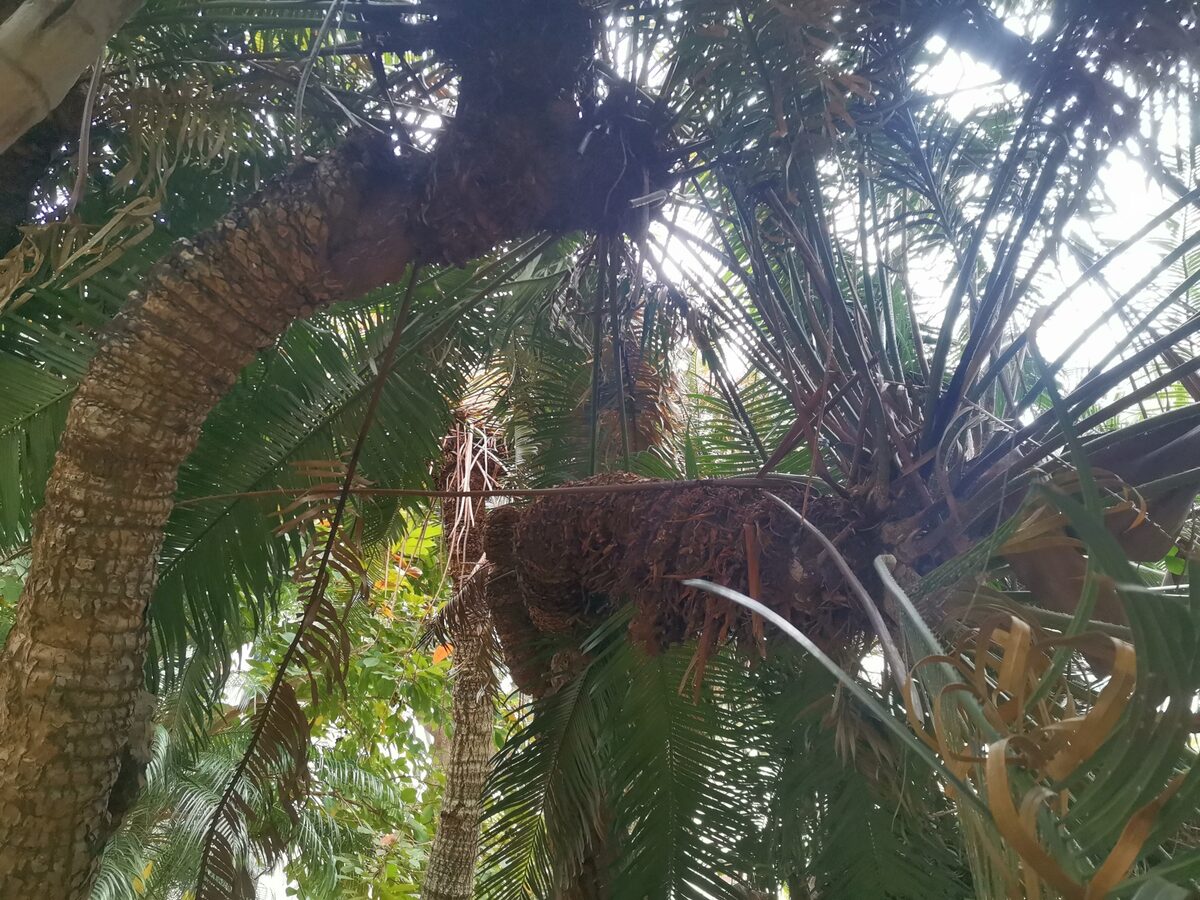
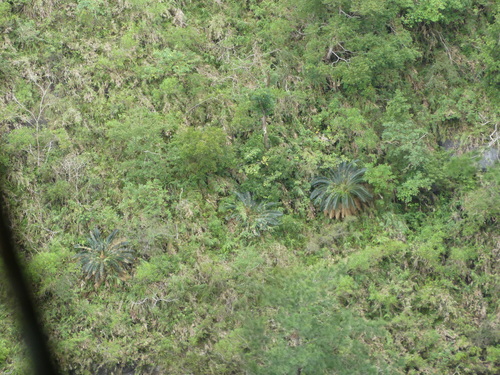
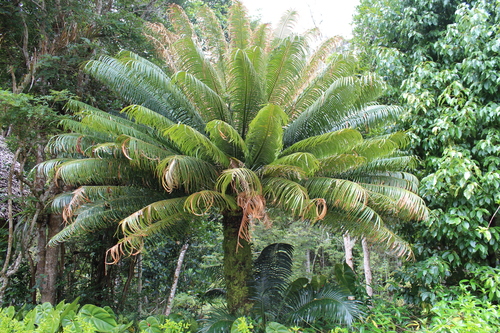
A palm like tree. It has a stout stem. It grows 12 m high. The trunk can be 50 cm across. The leaves are divided into leaflets along the stalk. The leaves are up to 1.5 m long. The leaves are produced in a cluster at the top of the trunk. The leaflets are 20-30 cm long and 1 cm wide. The male cones are oval and cylinder shaped and 60 cm long. The female flowers are brown and rusty and have 4-6 ovules/ The fruit is oval and 3-5 cm long.
Edible Uses
The seed is poisonous. The potent poison in the seeds is removed by soaking them in water. Water from the first seed-soaking will kill birds, goats, sheep and hogs. Water from the following soakings is said to be harmless. [Minimum of 5 Soakings needed to ensure the safety] After the final soaking, the seeds are dried and ground into flour. The flour is used to make tortillas, tamales, soup and porridge.
Traditional Uses
The rolled young leaves are cooked and eaten. The ripe seeds are crushed and soaked in several changes of water to remove poisons. It is then dried. It is then cooked into small cakes. (NB drying often helps remove poison.)
Distribution
A tropical plant. It is scattered throughout the Philippines often near the seashore.
Where It Grows
Asia, Pacific, Philippines, SE Asia,
Cultivation
Plants can be grown by seeds. Often pollen has to be transferred from the male plant to the female ovules to get viable seeds.
Notes
There are about 20-40 Cycas species.
References (2)
- Monsalud, M.R., Tongacan, A.L., Lopez, F.R., & Lagrimas, M.Q., 1966, Edible Wild Plants in Philippine Forests. Philippine Journal of Science. p 456
- Polinag, M. A., 2003, Food from the Wilderness. Department of Environment and Natural Resources. Laguna.