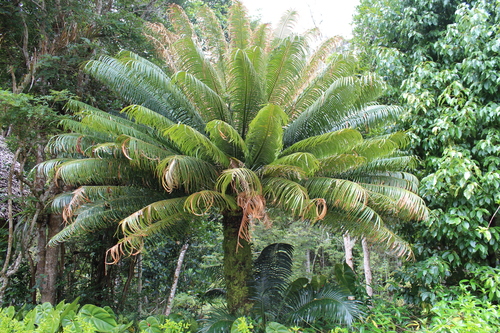
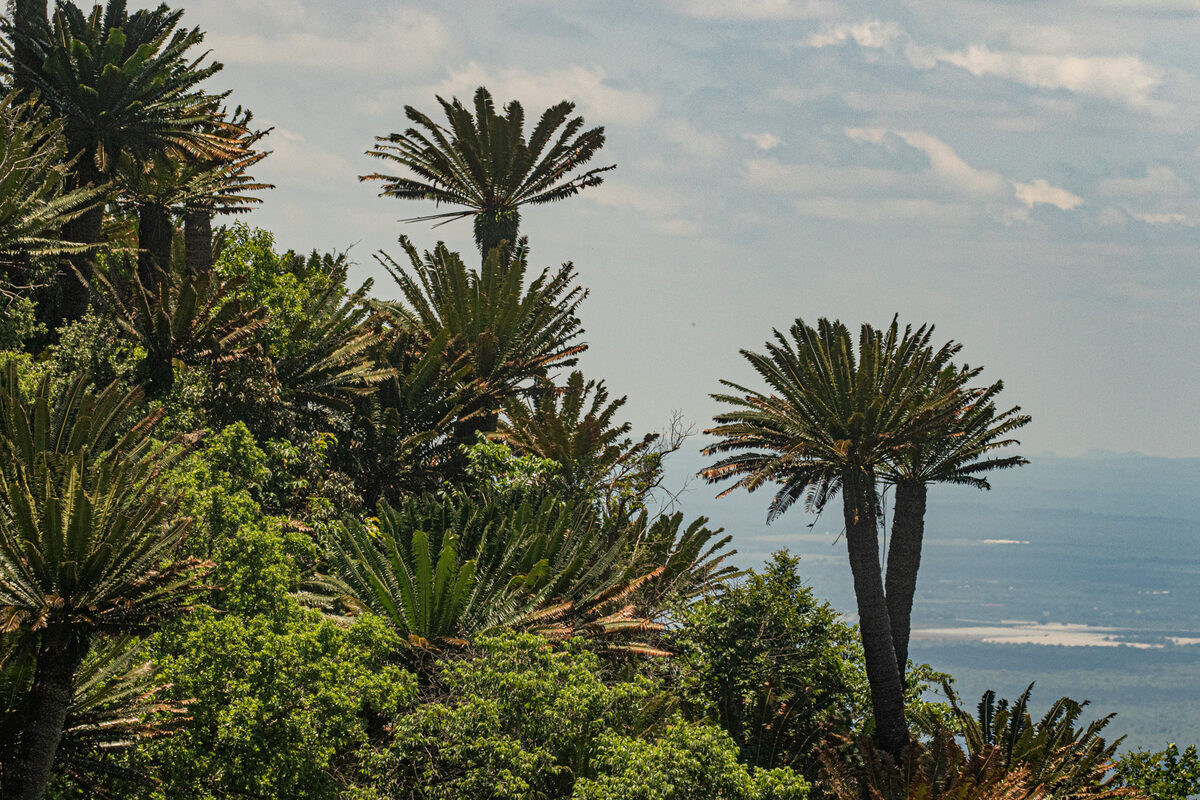
Cycas taitungensis
C. F. Shen & al.
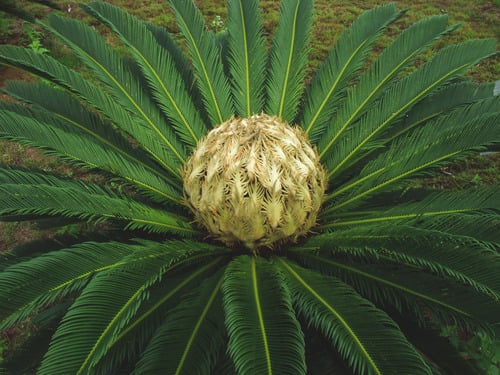
iNaturalist· cc-by-nc
(c) zxchang, some rights reserved (CC BY-NC)
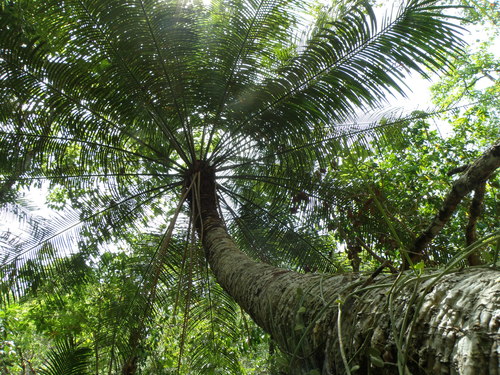
iNaturalist· cc-by-nc
(c) jsulan, some rights reserved (CC BY-NC)
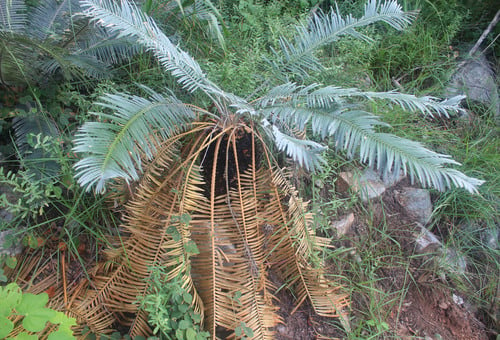
iNaturalist· cc-by-nc
(c) jsulan, some rights reserved (CC BY-NC)
Description
A cycad from the Cycadaceae family found in tropical regions, including cultivation in Brisbane Botanical gardens.
This description is brief — help expand it
Edible Uses
The stem starch is edible.
Known Hazards
Cycad sago is extremely poisonous to animals (including humans) if ingested. Pets are at particular risk, since they seem to find the plant very palatable. Clinical symptoms of ingestion will develop within 12 hours, and may include vomiting, diarrhea, weakness, seizures, and liver failure or hepatotoxicity characterized by icterus, cirrhosis, and ascites. The pet may appear bruised, have nose bleeds (epistaxis), melena (blood in the stool), hematochezia (bloody straining), and hemarthrosis (blood in the joints). The ASPCA Animal Poison Control Center estimates a fatality rate of 50 to 75% when ingestion of the sago palm is involved. If any quantity of the plant is ingested, a poison control center or doctor should be contacted immediately. Effects of ingestion can include permanent internal damage and death. All parts of the plant are toxic; however, the seeds contain the highest level of the toxin cycasin. Cycasin causes gastrointestinal irritation, and in high enough doses, leads to liver failure. Other toxins include Beta-methylamino L-alanine, a neurotoxic amino acid, and an unidentified toxin which has been observed to cause hindlimb paralysis in cattle.
Distribution
It is a tropical plant. In Brisbane Botanical gardens.
Where It Grows
Asia, Australia, Taiwan*,