Gmelina elliptica
Sm.
Badhara bush
iNaturalist· cc-by-sa
(c) Cheongweei Gan, some rights reserved (CC BY-SA), uploaded by Cheongweei Gan
iNaturalist· cc-by-nc-sa
(c) Ahmad Fuad Morad, some rights reserved (CC BY-NC-SA)
iNaturalist· cc-by-nc
(c) Pizzas fear me, some rights reserved (CC BY-NC), uploaded by Pizzas fear me
Description
A shrub or small tree. It is thorny. It grows 2-4 m tall. The branches have spines in pairs. The leaves are velvety underneath. They are 3-10 cm long by 2-6 cm wide. They are pointed at the tip.
Medicinal Uses
The sap from the leaves or fruits is used as ear drops in earache. An infusion of the slightly crushed fruits is applied as an eye lotion. The fruit rubbed with lime and garlic is vigorously applied to the body in cases of dropsy. The leaves or roots may be applied to wounds. The uses probably reflect its activity as a rubefacient. In Peninsular Malaysia, the plant is chiefly used in poultices for headache and swellings.
Distribution
It is a tropical plant.
Where It Grows
Africa, Andamans, Asia, Australia, Cambodia, China, East Africa, Indochina, Indonesia, Malaysia, Mozambique, Myanmar, Philippines, SE Asia, Thailand, Vietnam,
Cultivation
Succeeds in full sun or partial shade, preferring a moist but well-drained soil. Found in the wild on sandy, sandy loam or sandy clay soils, often poor; sometimes also found over basalt or limestone. Although we have seen no reports of invasiveness, there is a report that this shrubby, thorny tree could be a problem if introduced to islands where it is not native.
Propagation
Seed - Air layering. Cuttings.
Other Uses
The wood is hard.
Notes
It can be a problem weed.
Synonyms
References (1)
- World Checklist of Useful Plant Species 2020. Royal Botanic Gardens, Kew
More from Lamiaceae
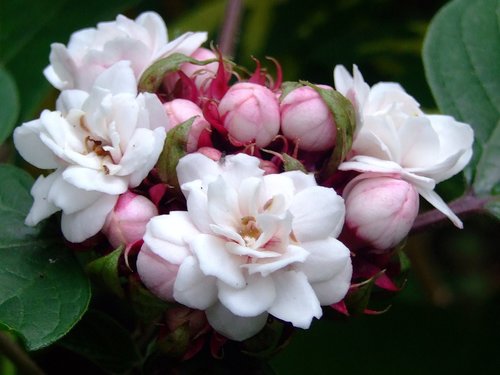
Clerodendrum chinense
Glory Bower, Honolulu rose
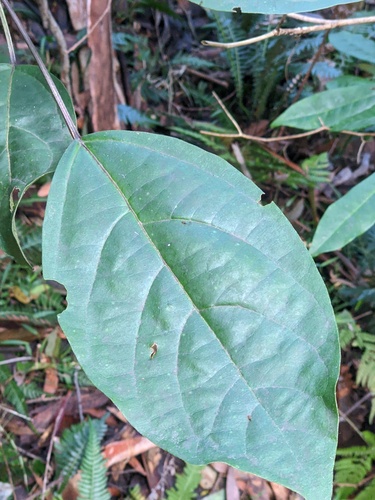
Clerodendrum floribundum
Thurkoo, Lollybush, Bleeding heart, Smooth Spiderbush, Smooth Clerodendrum
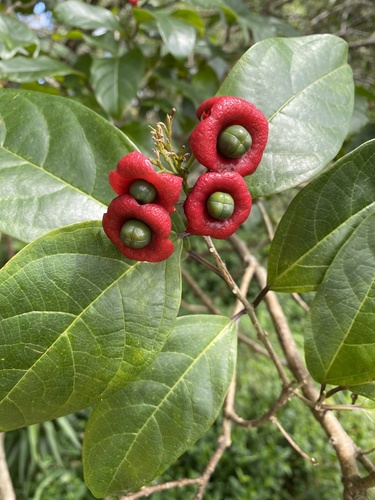
Clerodendrum floribundum var. ovatum
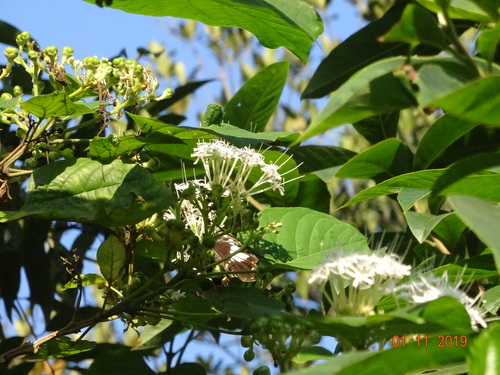
Clerodendrum glandulosum
Ping-khao
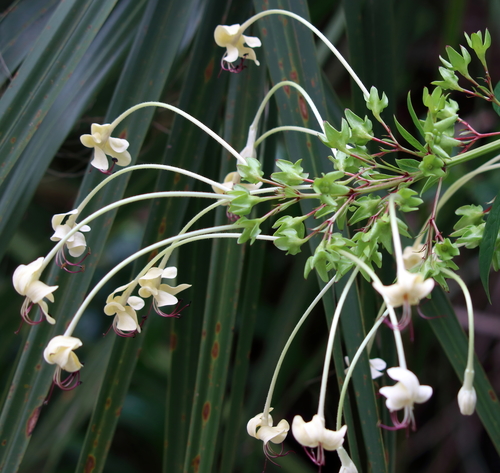
Clerodendrum indicum
Tube flower, Indian glory-bower
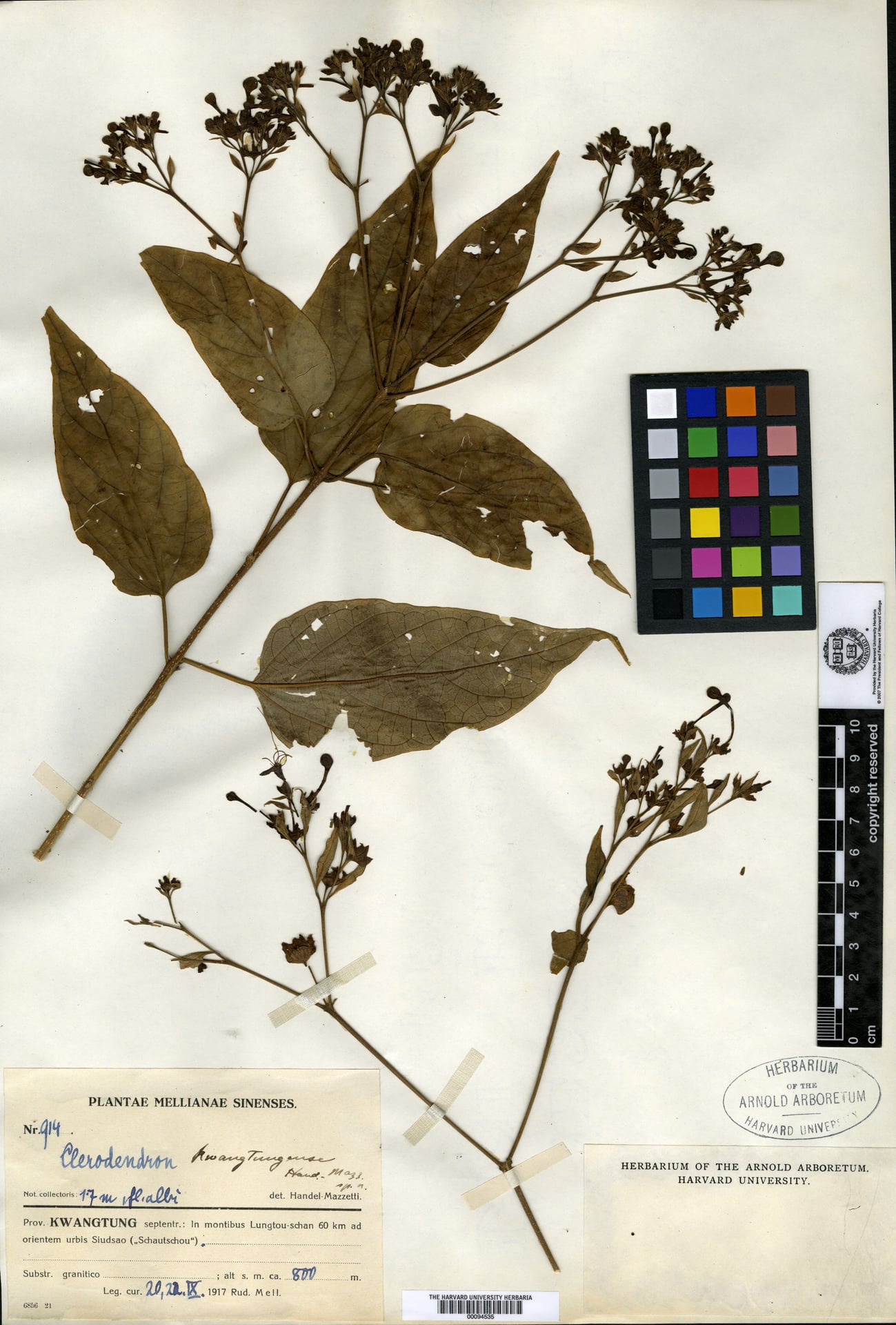
Clerodendrum kwangtungense
Pak Tsz Shue