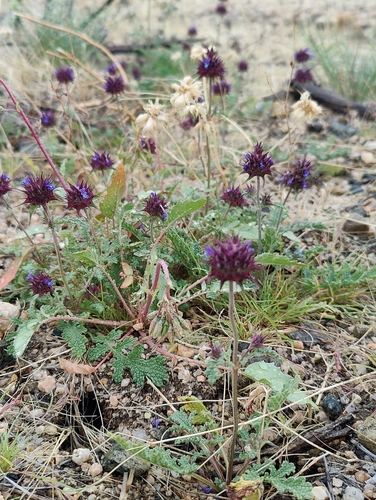
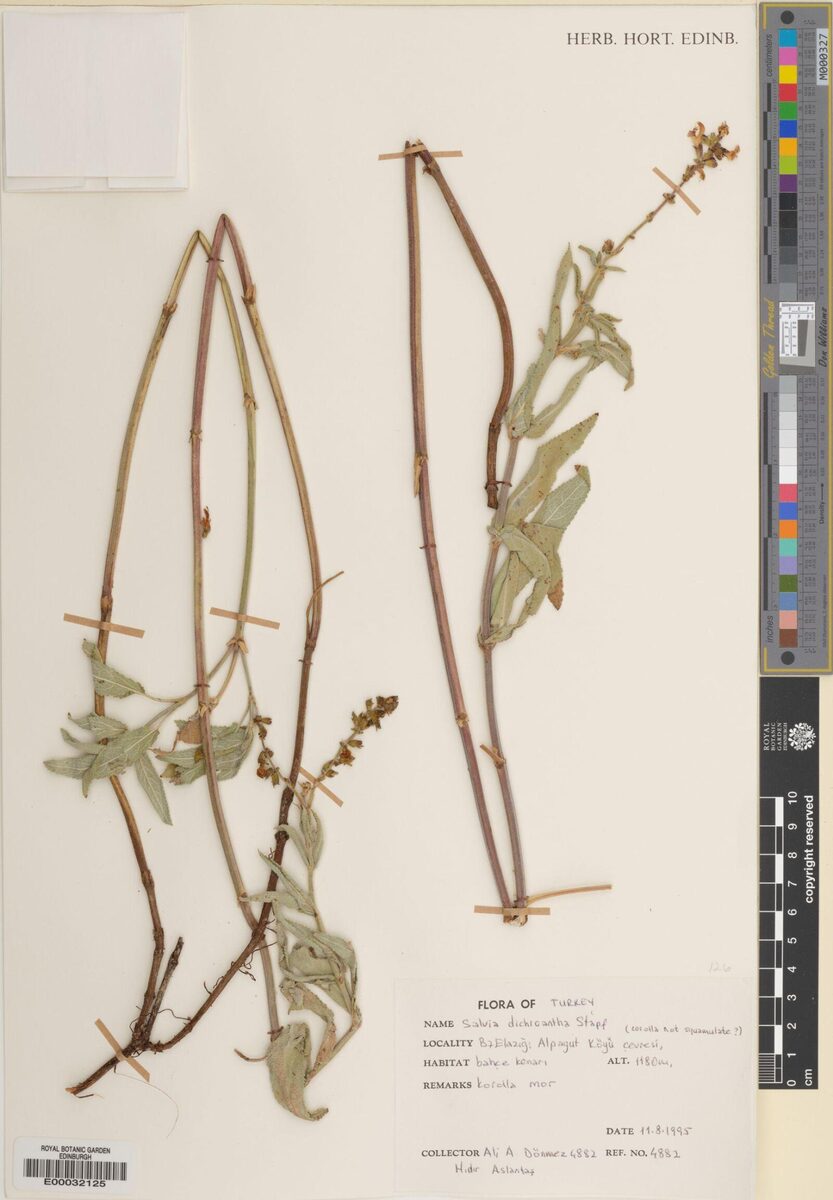
Clerodendrum glandulosum
Lindl.
Ping-khao
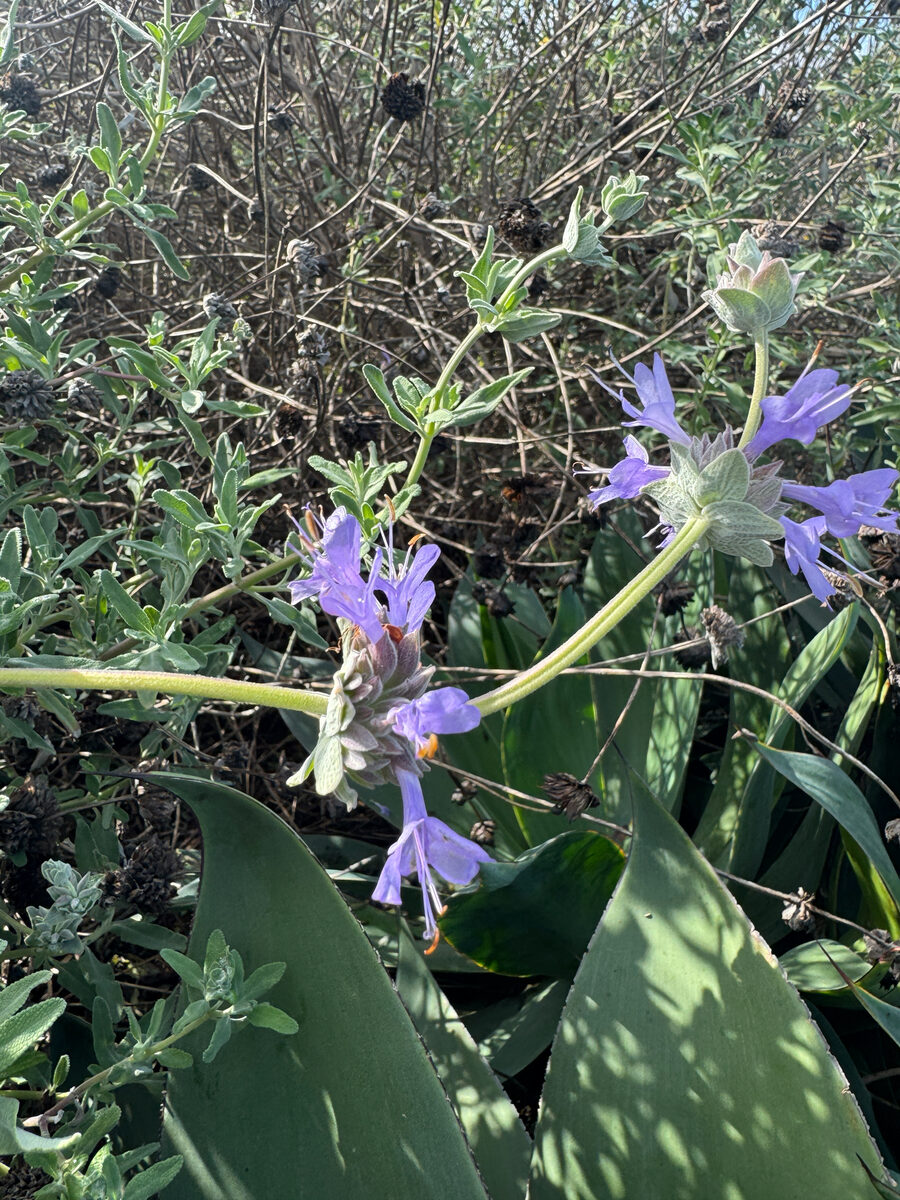
iNaturalist· cc-by-nc
(c) Rujuta Vinod, some rights reserved (CC BY-NC), uploaded by Rujuta Vinod
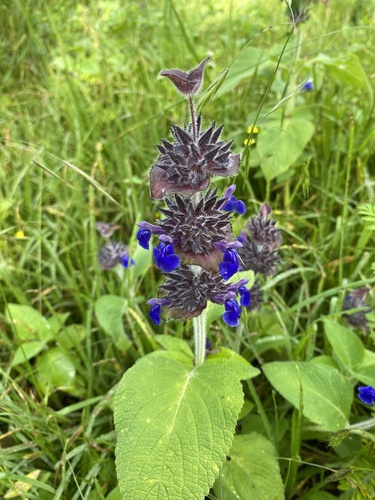
wikimedia· cc-by-sa
Wikimedia Commons - Burkhard Mücke
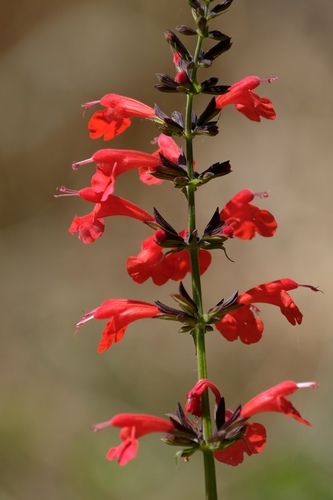
wikimedia· cc-by-sa
Wikimedia Commons - Burkhard Mücke
Summary
Source: WikipediaClerodendrum glandulosum (syn. Clerodendrum colebrookianum), commonly known as East Indian glory bower, is a perennial shrub belonging to the family Lamiaceae, but sometimes classified under Verbenaceae. It is one of the most well known among ~400 species of Clerodendrum, as it is widely used in traditional practices, such as for vegetable and treatments of diabetes, hypertension, cough and rheumatism. The species is found in tropical and subtropical regions of Asia including India, Myanmar, Bangladesh, Malaysia, Indonesia, Thailand, Bhutan and Nepal; and also in temperate China. In India it is confined to the north-east region including West Bengal and Sikkim, and is classified under the threat status as vulnerable.
Description
An evergreen shrub. It grows 3 m high and spreads 2 m wide. The stem is slender and erect. The crown is round. The leaves are broadly oval. They are heart shaped at the base. The flowers occur in dense heads. They are white and star shaped. They have long stamens. The fruit are blue and fleshy when ripe.
Edible Uses
Young leaves are used as a cooked vegetable in stews, particularly during winter. Fresh leaves can be stored for up to 7 days. Shoots are sold in local markets.
Traditional Uses
The young leaves are used as a cooked vegetable during winter. They are used in vegetable stew. The fresh leaves can be stored for 7 days.
This uses section is brief — help expand it
Medicinal Uses
It is a common medicinal plant used for rheumatic pains by the Khasi and Jaintia tribes of Meghalaya. It is believed that the smell of the wood relieves children from many diseases. Leaves and roots are used by Manipuri tribes for skin diseases, cough, and dysentery. The tribal natives of Arunachal Pradesh use the leaf juice mixed with garlic extract given in treating blood pressure or cooked leaf is taken for the same. Among the Mizo, leaves are cooked as vegetable. Locally known as 'Anphui / Phuihnam' is popularly used to control hypertension. Like their Mizo brethren, the Hmar, the Garos of Meghalaya and Kukis of Manipur, Assam, Meghalaya, Nagaland and Myanmar also used the leaves to control hypertension and as a vegetables and is known as 'Anphui' in their dialect. More often than not, is used extensively in the preparation of pork curry. It is a popular folk remedy for hypertension throughout north-eastern India.
Distribution
A tropical plant. It is best in well-drained, well-composted soils. It needs a protected sunny position. In Northeastern India it grows between 1,200-1,700 m above sea level. In Yunnan.
Where It Grows
Asia, Australia, China*, Himalayas, India, Indochina, Laos, Northeastern India, SE Asia, Sikkim, Thailand,
Cultivation
Plants can be grown from seeds or cuttings.
Production
In Nagaland leaves are harvested June to September.
Other Information
Shoots are sold in local markets. It is a cultivated food plant.
Notes
There are about 400-600 Clerodendrum species.
Nutrition
| Part | Moisture | kJ | kcal | Protein | Vit A | Vit C | Iron | Zinc |
|---|---|---|---|---|---|---|---|---|
| Leaves | 32 | — | — | 26.7 | — | — | — | — |
Synonyms
Also Known As
Anphui, Anpui, Doloin, Donggam, Jarem, Jylon, Jyrktung, Kaombi, Khahmao, Kuthap, Lansuo, Lukhna biphang, Mismau, Mpingbua, Nankar, Nefafu, Nephaphu, Oen, Ongin, Peau krimbua, Pejii-o, Pherklum, Phuihnam, Piduvu, Polo-O, Poto-ow, Shingebum, Tapin, Tippin, Wangpet, Zaub ntsuab tshws loj
References (41)
- Angami, A., et al, 2006, Status and potential of wild edible plants of Arunachal Pradesh. Indian Journal of Traditional Knowledge 5(4) October 2006, pp 541-550 (As Clerodendrum colebrookianum)
- Arora, R. K., 2014, Diversity in Underutilized Plant Species - An Asia-Pacific Perspective. Bioversity International. p 39 (As Clerodendrum colebrookianum)
- Bodkin, F., 1991, Encyclopedia Botanica. Cornstalk publishing, p 265 (As Clerodendrum colebrookianum)
- Dobriyal, M. J. R. & Dobriyal, R., 2014, Non Wood Forest Produce an Option for Ethnic Food and Nutritional Security in India. Int. J. of Usuf. Mngt. 15(1):17-37 (As Clerodendrum colebrookianum)
- Dutta, U., 2012, Wild Vegetables collected by the local communities from the Churang reserve of BTD, Assam. International Journal of Science and Advanced Technology. Vol. 2(4) p 119 (As Clerodendrum colebrookianum)
Show all 41 references Hide references
- Gangwar, A. K. & Ramakrishnan, P. S., 1990, Ethnobotanical Notes on Some Tribes of Arunachal Pradesh, Northeastern India. Economic Botany, Vol. 44, No. 1 pp. 94-105 (As Clerodendrum colebrookianum)
- Guite, C., 2016, A study of wild edible plants associated with the Paite tribe of Manipur, India, International Journal of Current Research. Vol. 8, Issue, 11, pp. 40927-40932 (As Clerodendrum colebrookianum)
- Kar, A., 2004, Common wild vegetables of Aka tribe of Arunachal Pradesh. Indian Journal of Traditional Knowledge 3(3) pp 305-313 (As Clerodendrum colebrookianum)
- Kar, A., & Borthakur, S. K., 2007, Wild vegetables sold in local markets of Karbi Anglong, Assam. Indian Journal of Traditional Knowledge. 6(1) January 2007, pp 169-172 (As Clerodendrum colebrookianum)
- Kar, A., et al, 2013, Wild Edible Plant Resources used by the Mizos of Mizoram, India. Kathmandu University Journal of Science, Engineering and Technology. Vol. 9, No. 1, July, 2013, 106-126 (As Clerodendrum colebrookianum)
- Khodram,S. D., et al, 2019, Local knowledge of edible flowers used in Mizoram. Indian Journal of Traditional Knowledge Vol 18(40 pp 715-723
- Konsam, S., et al, 2016, Assessment of wild leafy vegetables traditionally consumed by the ethnic communities of Manipur, northeast India. Journal of Ethnobiology and Ethnomedicine, 12:9 (As Clerodendrum colebrookianum)
- Lalfakzuala, R., 2007, Ethnobotanical usages of plants in western Mizoram. Indian Journal of Traditional Knowledge. Vol 6(3) pp 480-493 (As Clerodendrum colebrookianum)
- Lungphi, P., Wangpan, T. & Tangjang, S., 2018, Wild edible plants and their additional uses by the Tangsa community living in the Changlang district of Arunachal Pradesh, India. Pleione 12(2): 151 - 164. 2018.
- McMakin, P.D., 2000, Flowering Plants of Thailand. A Field Guide. White Lotus. p 61 (As Clerodendrum colebrookianum)
- Medhi, P. & Borthakur, S. K., 2012, Phytoresources from North Cachur Hills of Assam -3: Edible plants sold at Hflong market. Indian Journal or Natural Products and Resources. 3(1) pp 84-109 (As Clerodendrum colebrookianum)
- Medhi, P. & Borthakur, S. K., 2013, Wild edible plants sold by the Zeme Nagas at the makeshift market of Mahur, Dima Hasao district of Assam. Pleione 7(1): 84 - 93. 2013 (As Clerodendrum colebrookianum)
- Medhi, P., Sarma, A and Borthakur, S. K., 2014, Wild edible plants from the Dima Hasao district of Assam, India. Pleione 8(1): 133-148 (As Clerodendrum colebrookianum)
- Meitei, L. R., et al, 2022, An ethnobotanical study on the wild edible plants used by forest dwellers in Yangoupokpi Lokchao Wildlife Sanctuary, Manipur, India. Ethnobotany Research and Application 23:15
- Murtem, G. & Chaudhrey, P., 2016, An ethnobotanical note on wild edible plants of Upper Eastern Himalaya, India. Brazilian Journal of Biological Sciences, 2016, v. 3, no. 5, p. 63-81 (As Clerodendrum colebrookianum)
- Namsa, N. D., et al, 2011, Ethnobotany of the Monpa ethnic group ay Arunachal Pradesh, India. Journal of Ethnobiology and Ethnomedicine 7:31 (As Clerodendrum colebrookianum)
- Patiri, B. & Borah, A., 2007, Wild Edible Plants of Assam. Geethaki Publishers. p 98 (As Clerodendrum colebrookianum)
- Pegu, R., et al, 2013, Ethnobotanical study of Wild Edible Plants in Poba Reserved Forest, Assam, India. Research Journal of Agriculture and Forestry Sciences 1(3):1-10 (As Clerodendrum colebrookianum)
- Pfoze, N. L., et al, 2012, Survey and assessment of floral diversity on wild edible plants from Senapati district of Manipur, Northeast India. Journal or Biodiversity and Environmental Sciences. 1(6):50-52 (As Clerodendrum colebrookianum)
- Phangchopi, U., et al, 2015, Diversity of wild edible plants in Marat Longri Wildlife Sanctuary, Assam. Indian Journal of Natural Products and Resources Vol. 6(4), December 2015 pp. 305-313
- Phawa, G. M., Dkhar, E. K. & Marbaniang, D., 2019, Indigenous Wild Edible Plants of Bataw Village, East Jaintia Hills District, Meghalaya. International Journal of Arts, Science and Humanities. 7(2) (As Clerodendrum colebrookianum)
- Pradheep, K., et al, 2016, Wild edible plants used by Konyak tribe in Mon district of Nagaland: Survey and inventorisation. Indian Journal of Natural Products and Resources. Vol 7(1) pp 74-81
- Repert. bot. syst. 4:114. 1845 (As Clerodendrum colebrookianum)
- Saikia, M., 2015, Wild edible vegetables consumed by Assamese people of Dhemaji District of Assam, NE India and their medicinal values. Archives of Applied Science Research, 2015, 7 (5):102-109 (As Clerodendrum colebrookianum)
- Sangma, A. j. T., 2018, Non-timber forest products (NTFPs) used by Garo tribe of Rongram block in West Garo Hills, Meghalaya. Indian Journal of Traditional Knowledge Vol 18 (1), pp 151-161
- Seal, T., 2011, Determination of Nutritive Value, Mineral Contents and Antioxidant Activity of Some Wild Edible Plants from Meghalaya State, India. Asian Journal of Applied Sciences 4(3): 238-246 (As Clerodendrum colebrookianum)
- Singh, H.B., Arora R.K.,1978, Wild edible Plants of India. Indian Council of Agricultural Research, New Delhi. p 22 (As Clerodendrum colebrookianum)
- Srivastava, R. C., 2009, Traditional knowledge of Adi tribe of Arunachal Pradesh on plants. Indian Journal of Traditional Knowledge. 8(2): 146-153 (As Clerodendrum colebrookianum)
- Srivastava, R. C., 2010, Traditional knowledge of Nyishi (Daffla) tribe of Arunachal Pradesh. Indian Journal of Traditional Knowledge. 9(1):26-37 (As Clerodendrum colebrookianum)
- Suksri, S., et al, 2005, Ethnobotany in Bung Khong Long Non-Hunting Area, Northeast Thailand. Kasetsart J., (Nat. Sci) 39: 519-533 (As Clerodendrum colebrookianum)
- Taram, M., et al, 2018, Wild Food Plant Resources of Komkar Adi Tribe of Upper Siang District in Arunachal Pradesh, India. Bulletin of Arunachal Forest Research, Vol. 33(2), 27-35 (As Clerodendron)
- Teron, R. & Borthakur, S. K., 2016, Edible Medicines: An Exploration of Medicinal Plants in Dietary Practices of Karbi Tribal Population of Assam, Northeast India. In Mondal, N. & Sen, J.(Ed.) Nutrition and Health among tribal populations of India. p 156 (As Clerodendrum colebrookianum)
- Thothathri, K., & Pal, G.D., 1987, Further Contribution to the Ethnobotany of Subansiri District, Aranchal Pradesh. J. Econ. Tax. Bot. Vol. 10 No. 1 pp 149-157 (As Clerodendrum colebrookianum)
- Tsering, J., et al, 2017, Ethnobotanical appraisal on wild edible plants used by the Monpa community of Arunchal Pradesh. Indian Journal of Traditional Knowledge. Vol 16(4), October 2017, pp 626-637
- Wild edible plants of Himachal Pradesh (As Clerodendrum colebrookianum)
- Xu, You-Kai, et al, 2004, Wild Vegetable Resources and Market Survey in Xishuangbanna, Southwest China. Economic Botany. 58(4): 647-667. (As Clerodendrum colebrookianum)