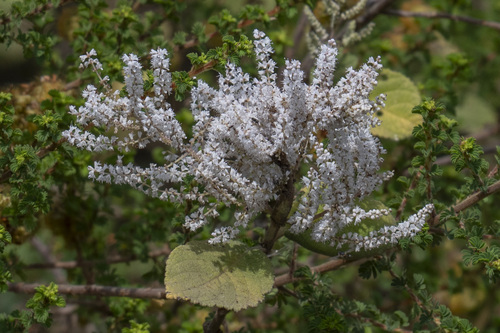
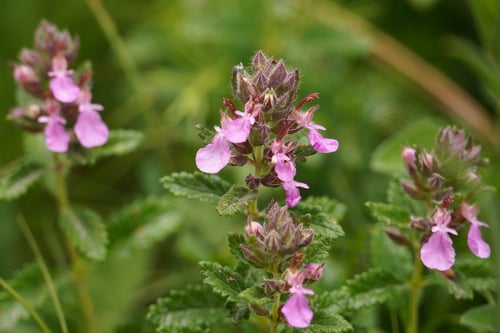
Clerodendrum indicum
(L.) Kuntze
Tube flower, Indian glory-bower
iNaturalist· cc-by
(c) Lauren McLaurin, some rights reserved (CC BY)
iNaturalist· cc-by
(c) Lauren McLaurin, some rights reserved (CC BY)
iNaturalist· cc-by
(c) Lauren McLaurin, some rights reserved (CC BY)
Summary
Source: WikipediaClerodendrum indicum, commonly known as Turk's turban, is a species of flowering plant in the mint family (Lamiaceae). It is a perennial shrub or subshrub native to tropical and subtropical parts of Asia.
Description
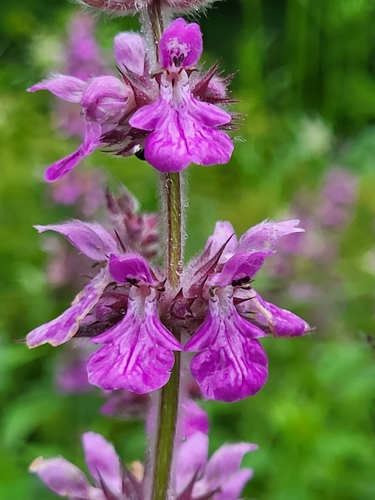
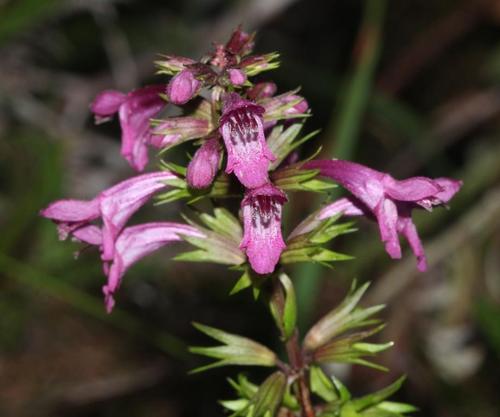
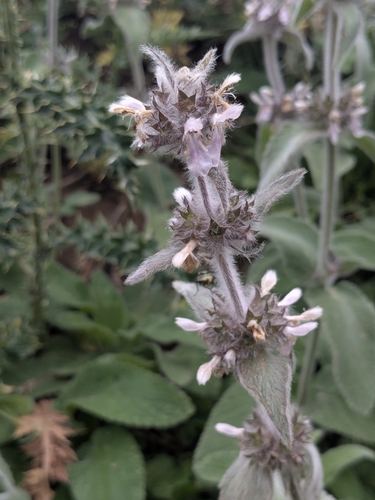
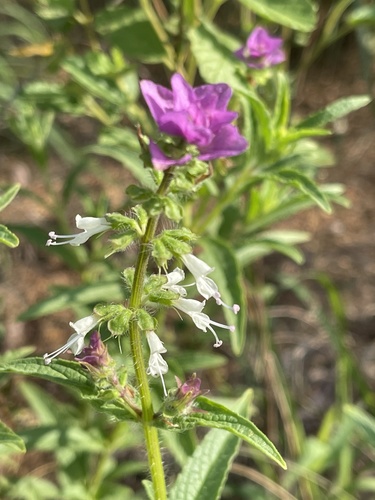
A shrub. It grows to about 2.5 m high. It has fluted, hollow stems. The leaves are 6-23 cm long by 1-5 cm wide. The leaves are sword shaped and narrow towards the base. The flowers are white and fade to yellow. They occur in a panicle at the end of the branches. The fruit is fleshy with one stone inside. It is dark blue and has a red calyx.
Edible Uses
Leaves - cooked and eaten as a potherb. The leaves of species in this genus usually have a bitter flavour and are often eaten at least as much for their tonic affect upon the digestive system as for any appeal to the taste buds.
Traditional Uses
The leaves are used as a potherb. They are bitter.
This uses section is brief — help expand it
Medicinal Uses
According to Ayurveda, Bhangri is a good anti inflammatory agent, helps in the healing of wounds, and improves circulation of blood in the body. It is also helpful in improving the digestive activities of the body. It acts on the respiratory system, expelling excessive mucus in the tract and bringing relief from coughs, colds and asthmatic symptoms. It opens the body pores and increases sweating in the body. The leaves are used as a bitter tonic and vermifuge. Mention is made of the leaves being employed as a substitute for opium. The juice of the leaves mixed with ghee and jaggery is said to be useful in the treatment of cough, bronchitis, asthma and other respiratory related problems. The dried leaves are smoked like cigarettes to relieve asthma The leaf paste is used in the treatment of diabetes. The paste from the leaves is a highly effective healing and antiinflammatory agent when applied to wounds. It can also treat swollen lymph nodes. The stem decoction, combined with black pepper in the ratio 3:2, is used as an antidote to snake bite. The juice of the tender parts of the plant is used as an external application for skin complaints, eruptions on the feet etc. The pounded root, or the juice thereof, combined with ginger, is considered useful in the treatment of asthma, coughs and other pulmonary complaints as well as scrofulous affections. The juice of the bark, taken daily for around 1 month, is used for treating malnutrition. A resin extracted from the plant is used in the treatment of syphilitic rheumatism. The leaves contain flavonoids, scutellarein, hispidulin and sterol. The stem contains resin, cholesterol and beta- sitosterol. The flowers contain hydroquinone, uncinatone and flavones pectolinarigenin and cirsimaritin. The bark contains D-mannitol and sorbitol. The flavonoid ectolinarigenin has also been isolated from the root bark The root contains phenolic glycosides and saponins. The saponins act as an antihistamine or anti-inflammatory agent and thus help prevent the hyper-sensititivity of the body towards external agents such as pollen that can have allergenic properties.
Distribution
A tropical plant. Plants grow in Nepal from 200-1400 m altitude. They grow in open places. It can grow in average, well-drained soil. In southern China it grows on mountain slopes between 500-1,000 m above sea level.
Where It Grows
Asia, Bhutan, Cambodia, China, Dominican Republic, Guiana, Guianas, Guyana, Haiti, Hawaii, Himalayas, India, Indochina, Indonesia, Laos, Malaysia, Myanmar, Nepal, Northeastern India, Pacific, SE Asia, South America, Sri Lanka, Suriname, Thailand, USA, West Indies,
Cultivation
Plants are grown from seed or stem cuttings. It also forms suckers,
Propagation
Seed - best sown as soon as it is ripe. Germination can be erratic but usually takes place within 20 - 60 days at 20°c. When large enough to handle, prick the seedlings out into individual pots and grow them on until large enough to plant out. Root cuttings, 6 - 8cm long usually grow away well. Division of suckers in the dormant season. Very easy, they can be planted out direct into their permanent positions if required.
Notes
There are about 400 Clerodendrum species.
Nutrition
| Part | Moisture | kJ | kcal | Protein | Vit A | Vit C | Iron | Zinc |
|---|---|---|---|---|---|---|---|---|
| Leaves | 73.1 | 343 | 82 | 5.7 | — | — | — | — |
Synonyms
Also Known As
Akalbih, Akla brikhsa, Anphui, Bapnem-ai, Bharangi, Bhargi, Ekle bir, Guardia civil, Hanmathucho, Ikhlabir, Ngayan-padu, Tongkat rasul, Turk's turban
References (13)
- Arora, R. K., 2014, Diversity in Underutilized Plant Species - An Asia-Pacific Perspective. Bioversity International. p 39
- Dobriyal, M. J. R. & Dobriyal, R., 2014, Non Wood Forest Produce an Option for Ethnic Food and Nutritional Security in India. Int. J. of Usuf. Mngt. 15(1):17-37
- Food Composition Tables for use in East Asia FAO http://www.fao.org/infoods/directory No. 773
- Gangte, H. E., et al, 2013, Wild Edible Plants used by the Zou Tribe in Manipur, India. International Journal of Scientific and Research Publications, Volume 3, Issue 5
- Kar, A., & Borthakur, S. K., 2008, Wild vegetables of Karbi - Anglong district, Assam, Natural Product Radiance, Vol. 7(5), pp 448-460
Show all 13 references Hide references
- Llamas, K.A., 2003, Tropical Flowering Plants. Timber Press. p 239
- Manandhar, N.P., 2002, Plants and People of Nepal. Timber Press. Portland, Oregon. p 160
- Patiri, B. & Borah, A., 2007, Wild Edible Plants of Assam. Geethaki Publishers. p 99
- Plants of Haiti Smithsonian Institute http://botany.si.edu/antilles/West Indies
- Revis. gen. pl. 2:506. 1891
- Singh, H.B., Arora R.K.,1978, Wild edible Plants of India. Indian Council of Agricultural Research, New Delhi. p 22
- Staples, G.W. and Herbst, D.R., 2005, A tropical Garden Flora. Bishop Museum Press, Honolulu, Hawaii. p 556
- Wild edible plants of Himachal Pradesh