Clerodendrum chinense
(Osbeck) Mabb.
Glory Bower, Honolulu rose
iNaturalist· cc-by-nc-sa
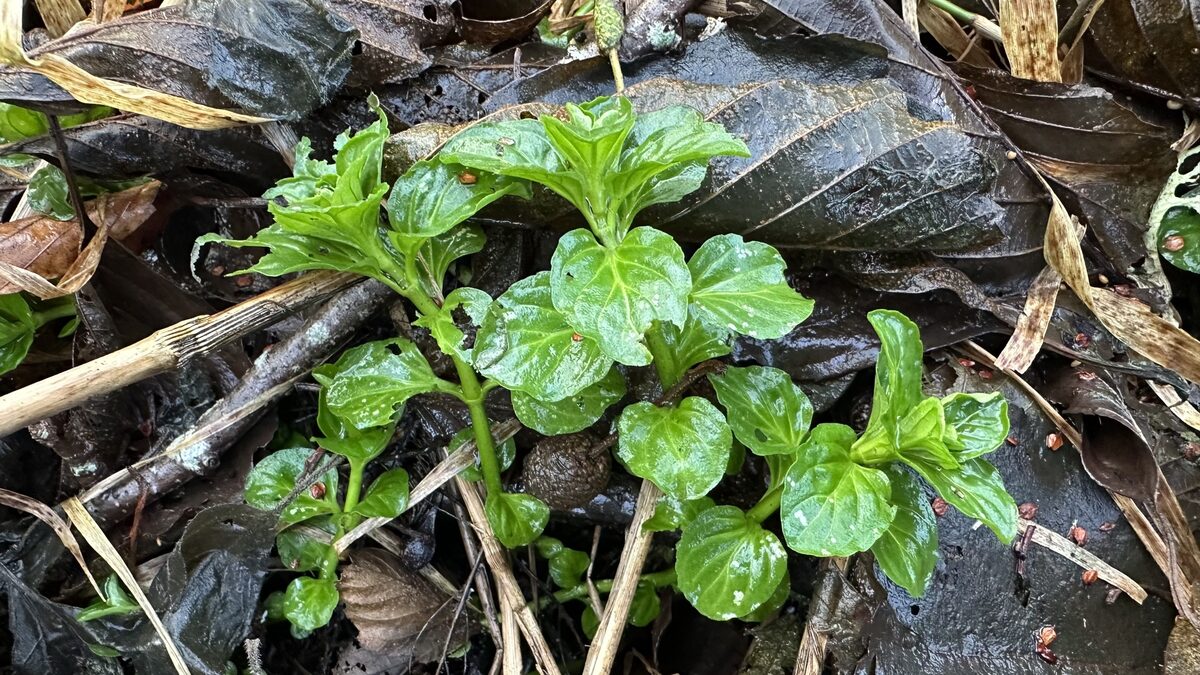
(c) Kai Yan, Joseph Wong, some rights reserved (CC BY-NC-SA)
iNaturalist· cc-by-nc-nd
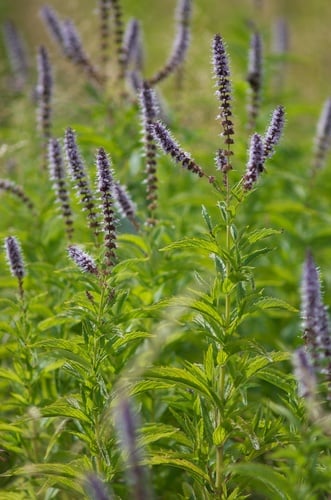
(c) Sunnetchan, some rights reserved (CC BY-NC-ND), uploaded by Sunnetchan
iNaturalist· cc-by-nc-nd
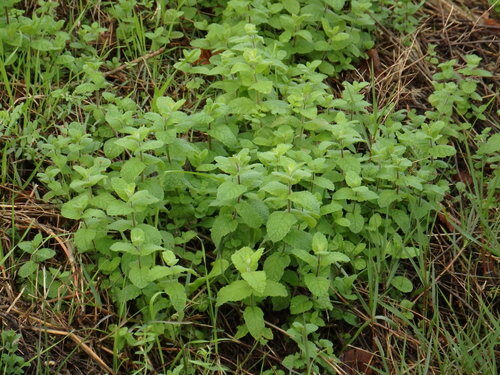
(c) Sunnetchan, some rights reserved (CC BY-NC-ND), uploaded by Sunnetchan
Summary
Source: WikipediaClerodendrum chinense, called the glory bower, is a species of flowering plant in the genus Clerodendrum. It is native to Nepal, the eastern Himalayas, Assam, the Andaman and Nicobar Islands, south-central and southeast China, Southeast Asia, and Malesia. It is a perennial shrub that grows up to 3 m (10 ft) tall. A popular garden plant, it has been widely introduced to the rest of the world, including Florida, the Caribbean, Bermuda, Central America, the Galápagos, South America, Ascension Island, the Gulf of Guinea islands, East Africa, the Seychelles, Pakistan, India, the Lesser Sunda Islands, Taiwan, the Cook Islands, Fiji, Niue, and the Society Islands. It has gained the Royal Horticultural Society's Award of Garden Merit.
Description
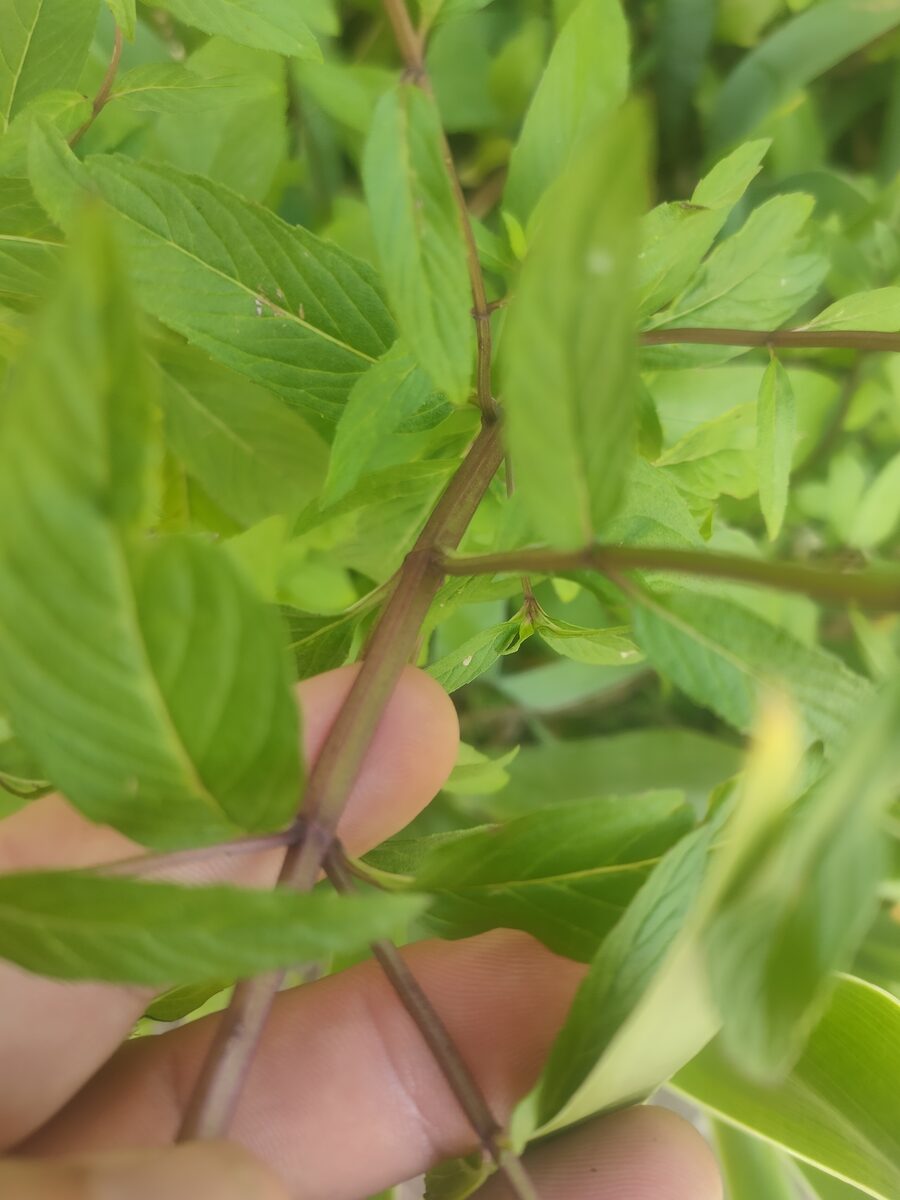
A shrub that loses its leaves during the year. It grows 1.2 m high and spreads 1.5 m wide. It produces vigorous root suckers. The branches are downy. The leaves are broadly oval and taper to the tip. They are 12.5 cm long. There are shallow teeth around the edge. The flowers are white and fragrant. They are tube shaped.
Edible Uses
The young leaves are used in salads, and the roots are dried and cooked with pork.
Traditional Uses
The roots are dried and cooked with pork. The young leaves are used in salads.
This uses section is brief — help expand it
Known Hazards
It can be invasive and is damaged by drought and frost.
Distribution
It grows in tropical countries. It is best in a rich, moist, well-drained soil. It needs a protected partly shaded position. It is damaged by drought and frost.
Where It Grows
Africa, American Samoa, Argentina, Asia, Caribbean, China, Cook Islands, East Africa, Fiji, Guiana, Guianas, Guyana, Hawaii, Himalayas, India, Indochina, Laos, Mozambique, Nepal, Pakistan, Paraguay, Philippines*, Rotuma, SE Asia, Seychelles, South America, Suriname, Venezuela, Vietnam,
Cultivation
Seeds are spread by birds. Plants can be grown by seeds or cuttings.
Propagation
Seed - best sown as soon as it is ripe. Germination can be erratic but usually takes place within 20 - 60 days at 20°c. When large enough to handle, prick the seedlings out into individual pots and grow them on until large enough to plant out. Cuttings of the stem or side branches root very easily - simply insert them in the soil and water at regular intervals until they are growing well. Root cuttings, 6 - 8cm long usually grow away well. Division of suckers in the dormant season. Very easy, they can be planted out direct into their permanent positions if required.
Notes
There are about 400 Clerodendrum species. It can be invasive.
Synonyms
Also Known As
Bei bing, Chou mo li, Chou mu dan, De ga pa me, Fragrant glorybower, Gong mie gian, Losa Honolulu
References (8)
- Bodkin, F., 1991, Encyclopedia Botanica. Cornstalk publishing, p 266 (As Clerodendrum philippinum)
- Brickell, C. (Ed.), 1999, The Royal Horticultural Society A-Z Encyclopedia of Garden Plants. Convent Garden Books. p 280 (As Clerodendrum philippinum)
- Cao, Y., et al, 2020, Ethnobotanical study on wild edible plants used by three trans-boundary ethnic groups in Jiangcheng County, Pu’er, Southwest China. Journal of Ethnobiology and Ethnomedicine (2020) 16:66 (As var. simplex)
- A. L. P. P. de Candolle, Prodr. 11:666. 1847 "Clerodendron" (As Clerodendrum philippinum)
- Lim, T. K., 2015, Edible Medicinal and Non Medicinal Plants. Volume 9, Modified Stems, Roots, Bulbs. Springer p 24
Show all 8 references Hide references
- Marinelli, J. (Ed), 2004, Plant. DK. p 449 (As Clerodendrum philippinum)
- Mot So Rau Dai an Duoc O Vietnam. Wild edible Vegetables. Ha Noi 1994, p 136 (As Clerodendrum philippinum)
- World Checklist of Useful Plant Species 2020. Royal Botanic Gardens, Kew