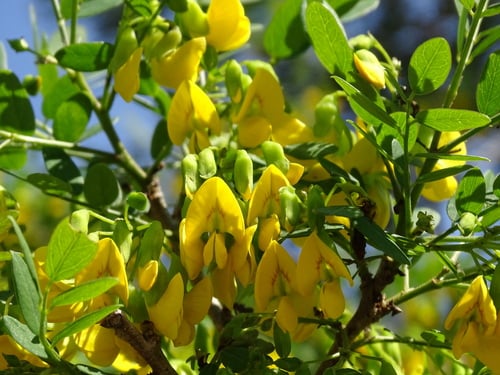
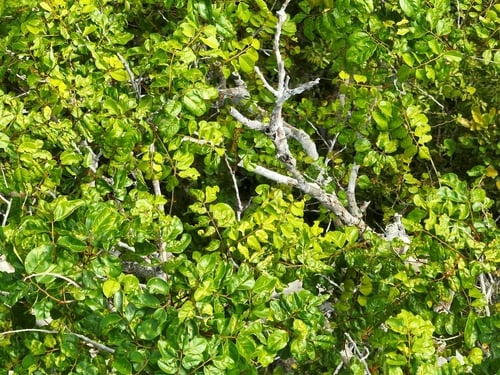
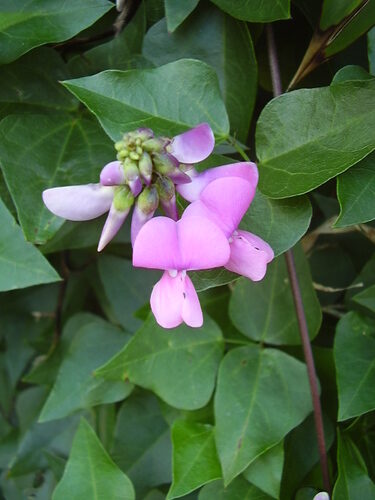
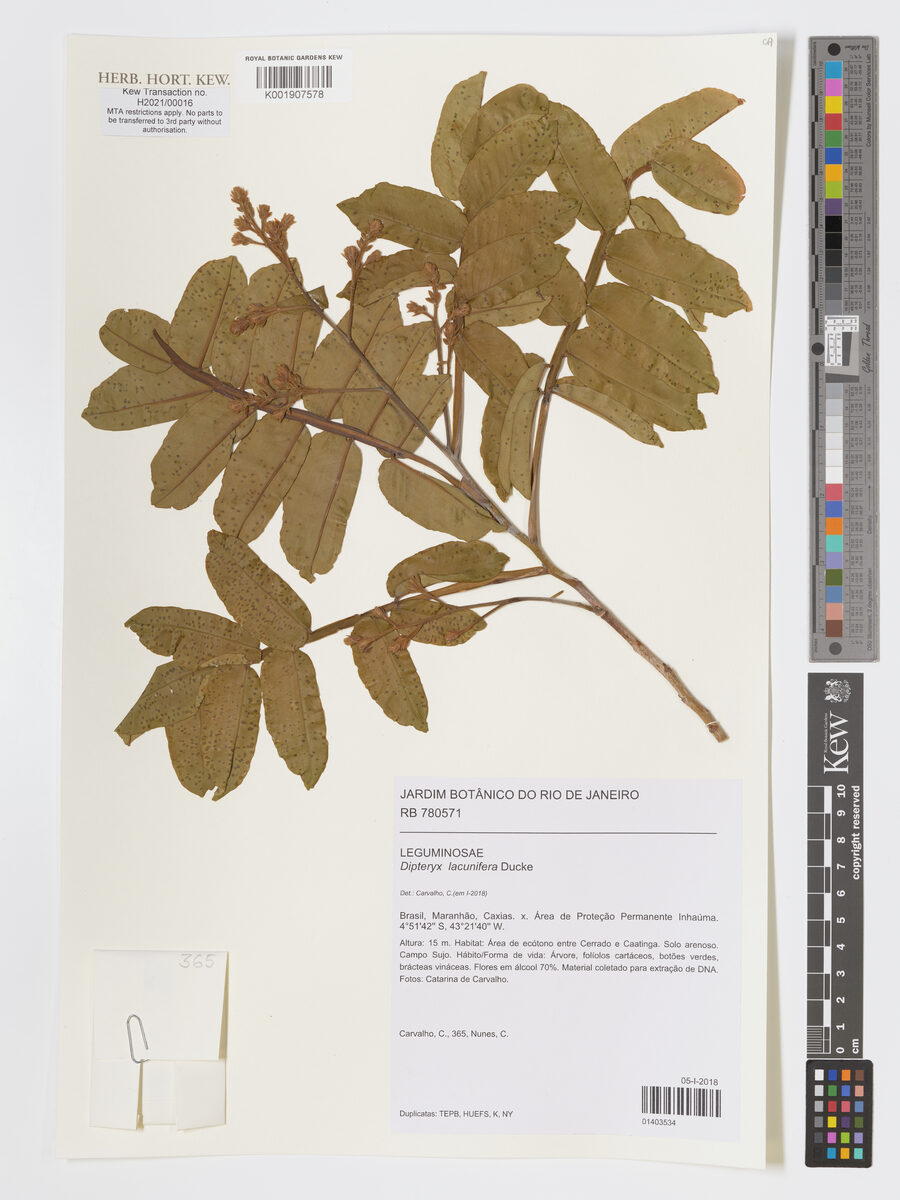
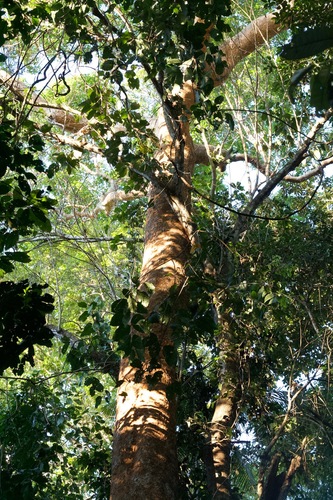
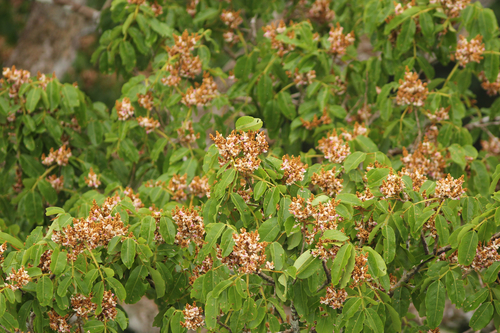
Senegalia macrostachya
(Rchb. ex DC.) Kyal. & Boatwr.
iNaturalist· cc-by-nc-sa
(c) Marco Schmidt, some rights reserved (CC BY-NC-SA)
iNaturalist· cc-by-nc
(c) Sylvain Piry, some rights reserved (CC BY-NC)
Description
A spiny shrub. It has several stems. It grows about 4 m tall. It can be climbing and can grow to 15 m tall.
This description is brief — help expand it
Edible Uses
A gum obtained from the stems is edible but of a poor quality. Seeds - cooked. Sometimes boiled and eaten as a vegetable.
Traditional Uses
The seeds are cooked by boiling.
This uses section is brief — help expand it
Medicinal Uses
The plant has health benefits as a functional food.
Known Hazards
Unlike many of the African species of Acacia (sensu lato), the seeds of this species are not toxic. The seed of many Acacia species, including this one, is edible and highly nutritious, and can be eaten safely as a fairly major part of the diet. Not all species are edible, however, and some can contain moderate levels of toxins. Especially when harvesting from the wild, especial care should be taken to ensure correct identification of any plants harvested for food. Especially in times of drought, many Acacia species can concentrate high levels of the toxin Hydrogen cyanide in their foliage, making them dangerous for herbivores to eat.
Distribution
It is a tropical plant. It grows in seasonally dry areas. It grows in arid regions.
Where It Grows
Africa, Benin, Burkina Faso, Central African Republic, CAR, Chad, Gambia, Guinea, Guinea-Bissau, Ivory Coast, Mali, Mauritania, Niger, Nigeria, Senegal, Sierra Leone, Sudan, Togo, West Africa,
Cultivation
Soil requirements are not specific, the plant is able to grow well on the poorest soils, on hardpans, clay, scree, detritus and debris. Although many species within the family Fabaceae have a symbiotic relationship with soil bacteria, this species is said to be devoid of such a relationship and therefore does not fix atmospheric nitrogen.
Propagation
The seed of most, if not all, members of this genus has a hard seedcoat and may benefit from scarification before sowing to speed up germination. This can usually be done by pouring a small amount of nearly boiling water on the seeds (being careful not to cook them!) and then soaking them for 12 - 24 hours in warm water. By this time they should have imbibed moisture and swollen - if they have not, then carefully make a nick in the seedcoat (being careful not to damage the embryo) and soak for a further 12 hours before sowing. Acacia seeds that have matured fully on the bush and have been properly dried have a hard seed coat and can be stored in closed containers without deterioration for 5 - 10 years or more in dry conditions at ambient temperatures. It is best to remove the aril, which attracts weevils and can lead to moulds forming. The arils are easilyremoved by placing the seeds in water and rubbing them between the hands, then drying the seeds and winnowing them.
Other Uses
The wood is used as fence posts. The wood can be used as fuel. The plant is used for making live hedgies - these can be impenetrable because of their spiny nature.
Notes
It has health benefits as a functional food.
Synonyms
References (2)
- Ferns, Useful Tropical Plants.
- World Checklist of Useful Plant Species 2020. Royal Botanic Gardens, Kew