Quercus laurina
Humb. & Bonpl.
iNaturalist· cc-by-nc
(c) Juan Carlos López Domínguez, some rights reserved (CC BY-NC), uploaded by Juan Carlos López Domínguez
iNaturalist· cc-by-nc
(c) Miguel Ángel Cruz Ramirez, some rights reserved (CC BY-NC)
iNaturalist· cc-by-nc
(c) Miguel Ángel Cruz Ramirez, some rights reserved (CC BY-NC)
Summary
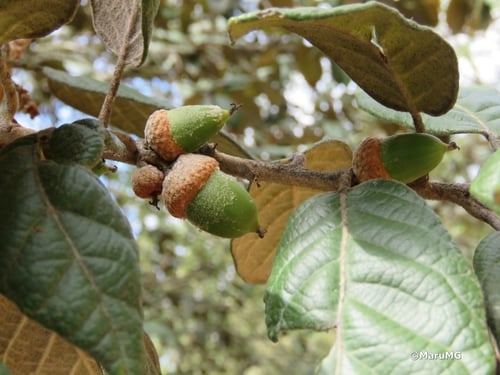
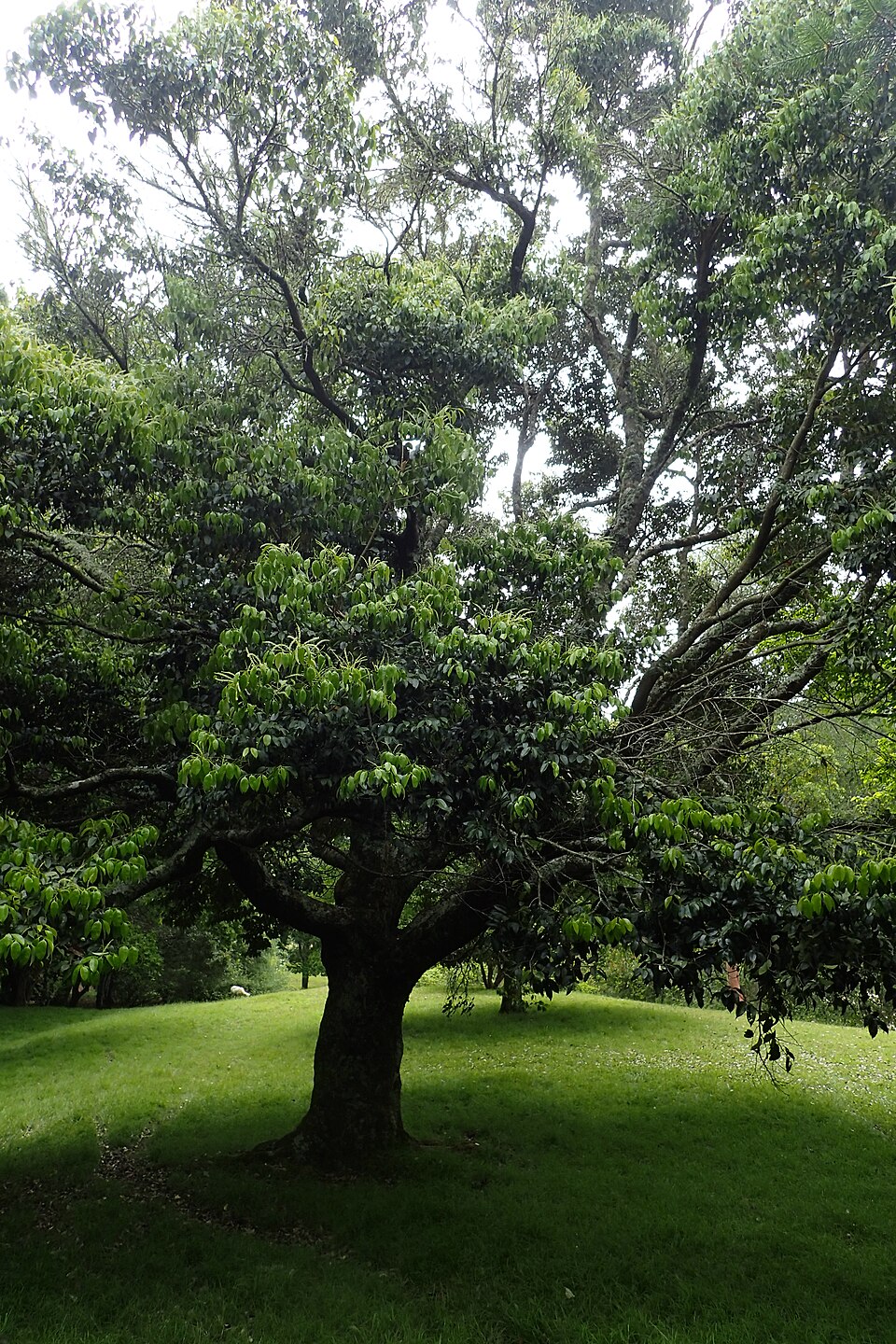
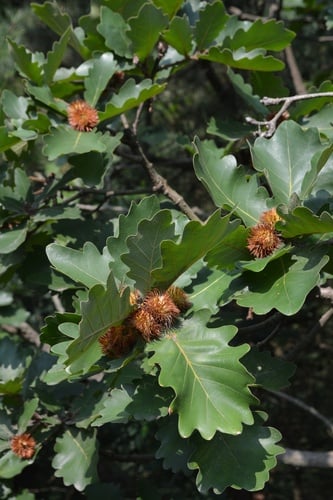
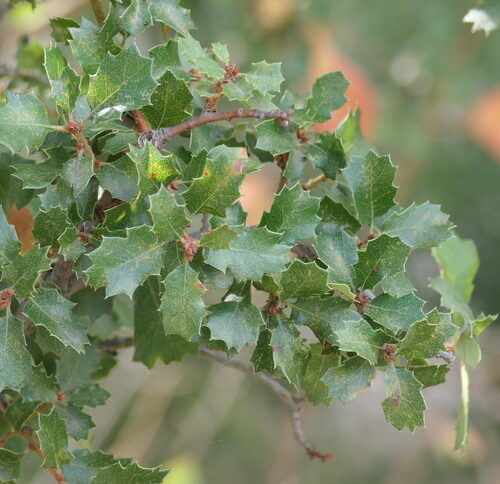
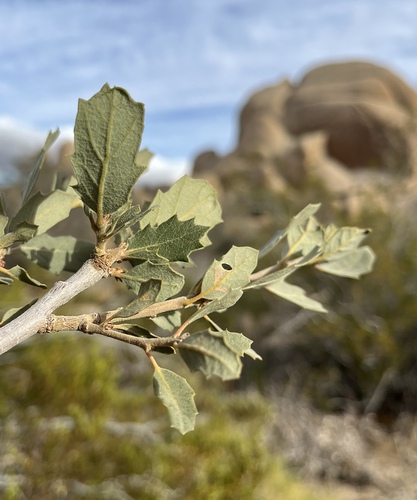
Source: WikipediaQuercus laurina is a species of oak. It is native primarily to Mexico (from Tamaulipas to Chiapas) and has also been found in Guatemala and El Salvador. Q. laurina is a tree up to 30 metres (98 feet) tall with a trunk as much as 50 centimetres (20 inches) or more in diameter. The leaves are thick and leathery, up to 15.5 cm (6 in) long, elliptical sometimes with a few large teeth near the tip. The species forms hybrids with Quercus affinis.
Description
A tree. It grows 30 m tall. The trunk is 50 cm across. The leaves are thick and leathery. They are 15 cm long and can have a few large teeth near the tip.
Edible Uses
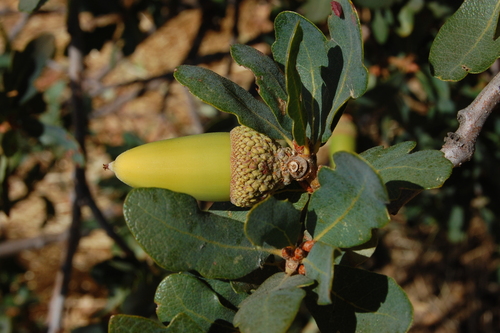
The ovoid seed is 7 - 20mm long and 7 - 12mm wide. Although we have no specific information for this species, the seeds of all the species of oak are edible - indeed, several species have been used as staple foods, whilst most if not all have been used for food in times of shortage, when better foods were not available. The seed is usually cooked before eating, though it can also be eaten raw. It can be eaten whole, though it is more commonly dried, then ground into a powder and used as a thickening in stews etc or mixed with cereals for making bread. In some species, especially many of those classified as 'white oaks', the seeds are low in tannins and have a more or less sweet and agreeable flavour. The seed of most species, however, have a very bitter flavour, due especially to the presence of tannins. In these species there are various processes that can remove or at least reduce the amount of these bitter substances (although other water-soluble substances, including some minerals, will also be removed). Tannins are water-soluble and therefore the easiest way to remove or reduce tannin levels is by soaking in water. A few different methods are listed:- A traditional method of preparing the seed was to bury it in boggy ground overwinter and allow the wet soil to gradually leach the tannins. The germinating seed was dug up in the spring when it would have lost most of its astringency and bitterness. Another method was to wrap the seeds in a cloth bag and place them in a stream for several weeks. Drying the seed and grinding it to a powder before soaking speeds up the process. The fastest method is to use hot water, by cooking the powder and changing the water several times until the cooking water is no longer bitter. Alternatively, you can use cold water (which is reported to produce the best quality flour). In this case, you soak the powdered seed in cold water for 12 - 24 hours then discard the water. Repeat this process for a number of times until the soak water is no longer bitter. The roasted seed of many Quercus species has been used as a coffee substitute.
Medicinal Uses
Quercus (oak) species are used in the traditional medicine of many cultures, being valued especially for their tannins. Various parts of the plant can be used, most frequently it is the leaves, bark, seeds, seed cups or the galls that are produced as a result of insect damage. A decoction or infusion is astringent, antibacterial, antifungal, antiseptic, styptic and haemostatic. It is taken internally to treat conditions such as acute diarrhea, dysentery and haemorrhages. Externally, it is used as a mouthwash to treat toothache or gum problems and is applied topically as a wash on cuts, burns, various skin problems, haemorrhoids and oral, genital and anal mucosa inflammation. Extracts of the plant can be added to ointments and used for the healing of cuts.
Known Hazards
All parts of the plant contain tannins. Whilst tannins are found in many foods, and have a range of medicinal uses. They are usually only present in low concentrations. In some foods made from oaks (particularly the seeds), the tannin content can be quite high unless the food is treated to reduce tannin content. Tannins are only of low toxicity and, because of their bitter taste and astringency, are unlikely to be eaten in large quantities. However, if they are taken in excess, they can cause stomach pains; constipation followed by bloody diarrhoea: excessive thirst; and excessive urination.
Distribution
It is a subtropical plant.
Where It Grows
Central America, El Salvador, Guatemala, Mexico,
Cultivation
Quercus laurina is a plant of moderate elevations in the subtropical and tropical climates of Mexico and Central America; it is not a very cold-hardy tree, tolerating temperatures down to around -8°c when dormant. It grows best in areas with hot summers. In areas with cooler summers, such as the maritime regions of the temperate zone, it often grows poorly, failing to properly ripen its wood and suffering frost damage over the winter. Quercus species generally grow well in a sunny position, though young plants usually tolerate reasonable levels of side shade. They usually prefer a good deep fertile loam which can be on the stiff side. They are also often tolerant of moderate exposure, surviving well but being somewhat stunted. Seedlings soon develop a taproot and become intolerant of root disturbance, they should be planted into their permanent positions whilst young. Most Quercus species hybridize freely with other members of the genus. Plants in this genus are notably resistant to honey fungus.
Propagation
Seed - it quickly loses viability if it is allowed to dry out. It can be stored moist and cool, but is best sown as soon as it is ripe in an outdoor seed bed, though it must be protected from mice, squirrels etc. Small quantities of seed can be sown in deep pots in a cold frame. Plants produce a deep taproot and need to be planted out into their permanent positions as soon as possible, in fact seed sown in situ will produce the best trees. Trees should not be left in a nursery bed for more than 2 growing seasons without being moved or they will transplant very badly.
Other Uses
The leaves of most species in this genus are more or less rich in tannins. A mulch of the partially decayed leaves can be placed around vulnerable plants in order to repel slugs, snails, grubs etc, and these will in time break down to add humus and nutrients to the soil. Fresh leaves should be used with caution, however, since as these decay they utilize some of the nitrogen in the soil and thus can inhibit plant growth. Oak galls are excrescences that are sometimes produced in great numbers on the tree and are caused by the activity of the larvae of different insects. The insects live inside these galls, obtaining their nutrient therein. When the insect pupates and leaves, the gall can be used as a rich source of tannin, that can also be used as a dyestuff and is also used by many cultures to make ink. The bark of oak trees is also usually rich in tannins and can be used as a dyestuff and for waterproofing rope. The wood is fairly durable. It is used for making fenceposts, benches, rustic furniture, tool handles, construction beams etc. As a source of wood and lumber the genus Quercus is one of the most important of all groups of trees. We have no further specific information for this species, but in general the timber is noted for its strength, durability, and beauty, and is used everywhere for innumerable purposes, ranging from fuel to railroad ties, construction of buildings and ships, interior trim, flooring, and all grades of furniture. The woods of different species vary as to their physical qualities; some of them are very hard and tough, others are lighter in weight, softer, and less tough. The wood is a good fuel.
Synonyms
Also Known As
Xilojo
References (1)
- Farfan, B., et al, 2007, Mazahua Ethnobotany and Subsistence in the Monarch Butterfly Biosphere Reserve, Mexico. Economic Botany 61(2) 2007, pp 173-191