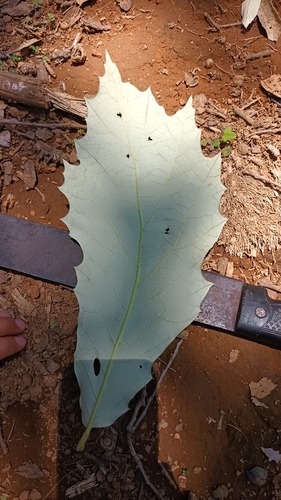
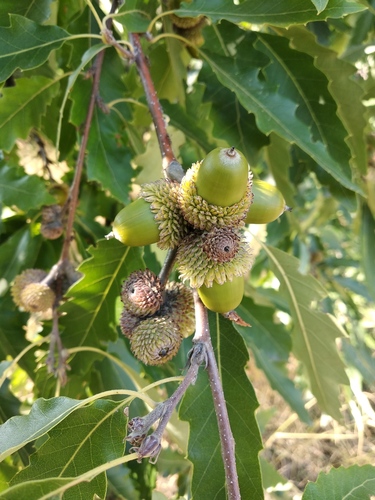
Quercus montana
Willd.
Chestnut oak
iNaturalist· cc-by-nc
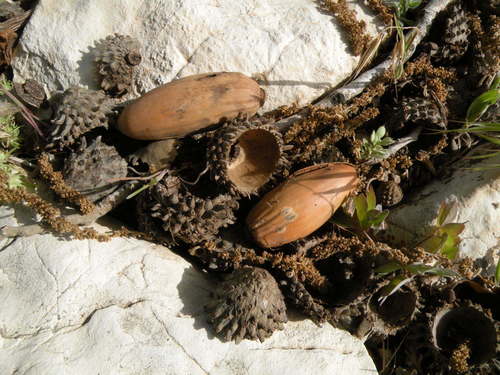
(c) Maya, some rights reserved (CC BY-NC), uploaded by Maya
iNaturalist· cc-by-nc-sa
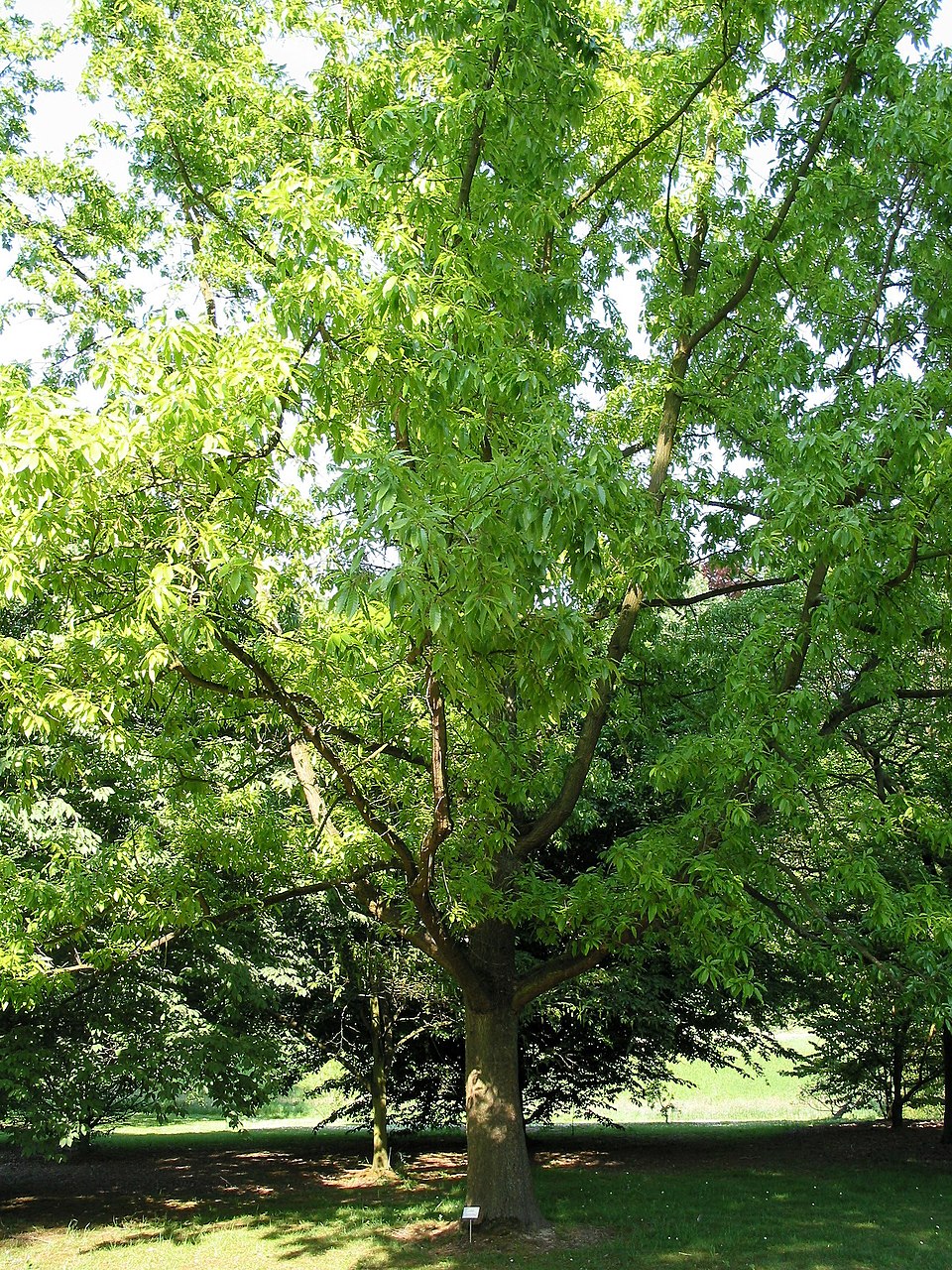
(c) dogtooth77, some rights reserved (CC BY-NC-SA)
iNaturalist· cc-by-sa
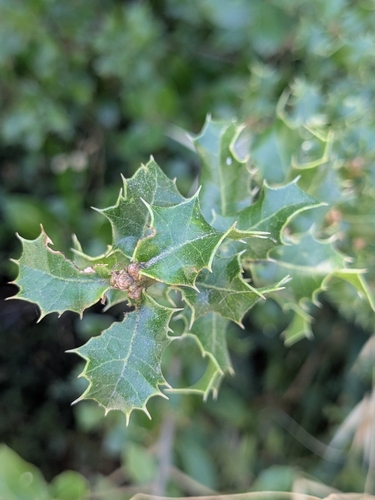
(c) Douglas Goldman, some rights reserved (CC BY-SA), uploaded by Douglas Goldman
Summary
Source: WikipediaQuercus montana, the chestnut oak, is a species of oak in the white oak group, Quercus sect. Quercus. It is native to the eastern United States, where it is one of the most important ridgetop trees from southern Maine southwest to central Mississippi, with an outlying northwestern population in southern Michigan. It is also sometimes called rock oak because of its presence in montane and other rocky habitats.
Description
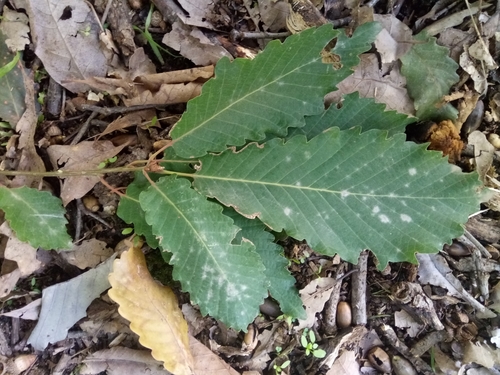
A tree. The bark is dark and firm. The leaves have rounded teeth. The terminal buds are large. The rim of the cup does not have a fringe.
This description is brief — help expand it
Edible Uses
Chestnut oak trees are generally not the best timber trees because they are usually branched low and not very straight, but when they grow in better conditions, they are valuable for timber, which is marketed as 'mixed white oak'. The bark of chestnut oak has a high tannin content and prior to the 20th century was heavily used in the leather tanning industry, but the wood was usually discarded since it was considered inferior to that of Q. alba. By the late 19th century, as the population of mature white oaks in the eastern US was dwindling, loggers began exploiting chestnut oak wood more heavily. It serves many of the same applications as white oak wood and as it is fairly rot-proof, has also been used for fencing, railroad ties, and other uses where the wood comes into contact with soil. Due to a relatively high density (21 kg or 47 lb per cu. ft), chestnut oak makes excellent firewood. The acorns can be eaten by humans but, if bitter, may need to have the tannins leached.
Distribution
It is a temperate plant. It grows on sandy soils.
Where It Grows
North America, USA,
Production
It is slow growing. Trees can live for 400 years.
Notes
There are about 600 Quercus species.
Synonyms
References (4)
- Beckstrom-Sternberg, Stephen M., and James A. Duke. "The Foodplant Database." http://probe.nalusda.gov:8300/cgi-bin/browse/foodplantdb.(ACEDB version 4.0 - data version July 1994)
- Farrar, J.L., 1995, Trees of the Northern United States and Canada. Iowa State University press/Ames p 266
- Grandtner, M. M., 2008, World Dictionary of Trees. Wood and Forest Science Department. Laval University, Quebec, Qc Canada. (Internet database http://www.wdt.qc.ca)
- Sp. pl. 4(1):440. 1805