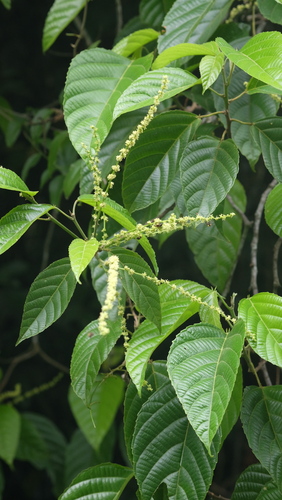
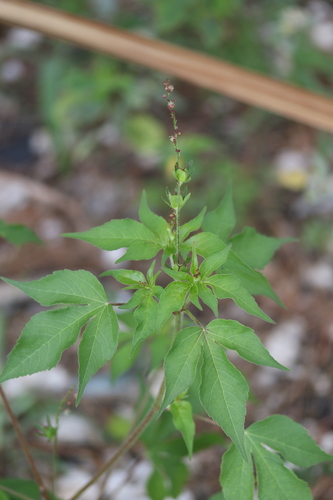
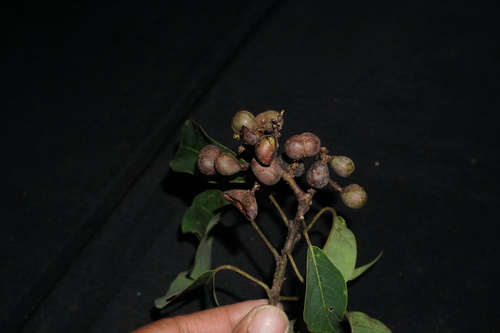
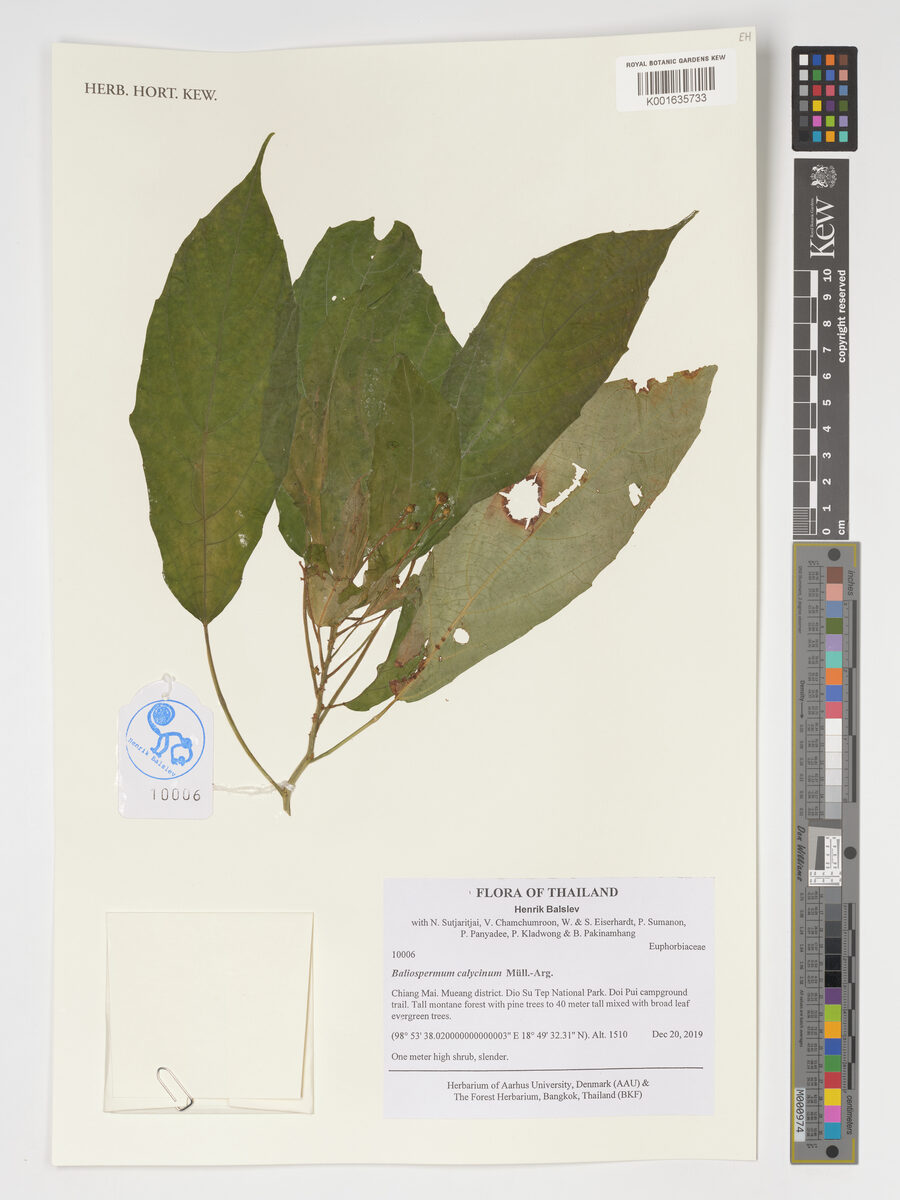
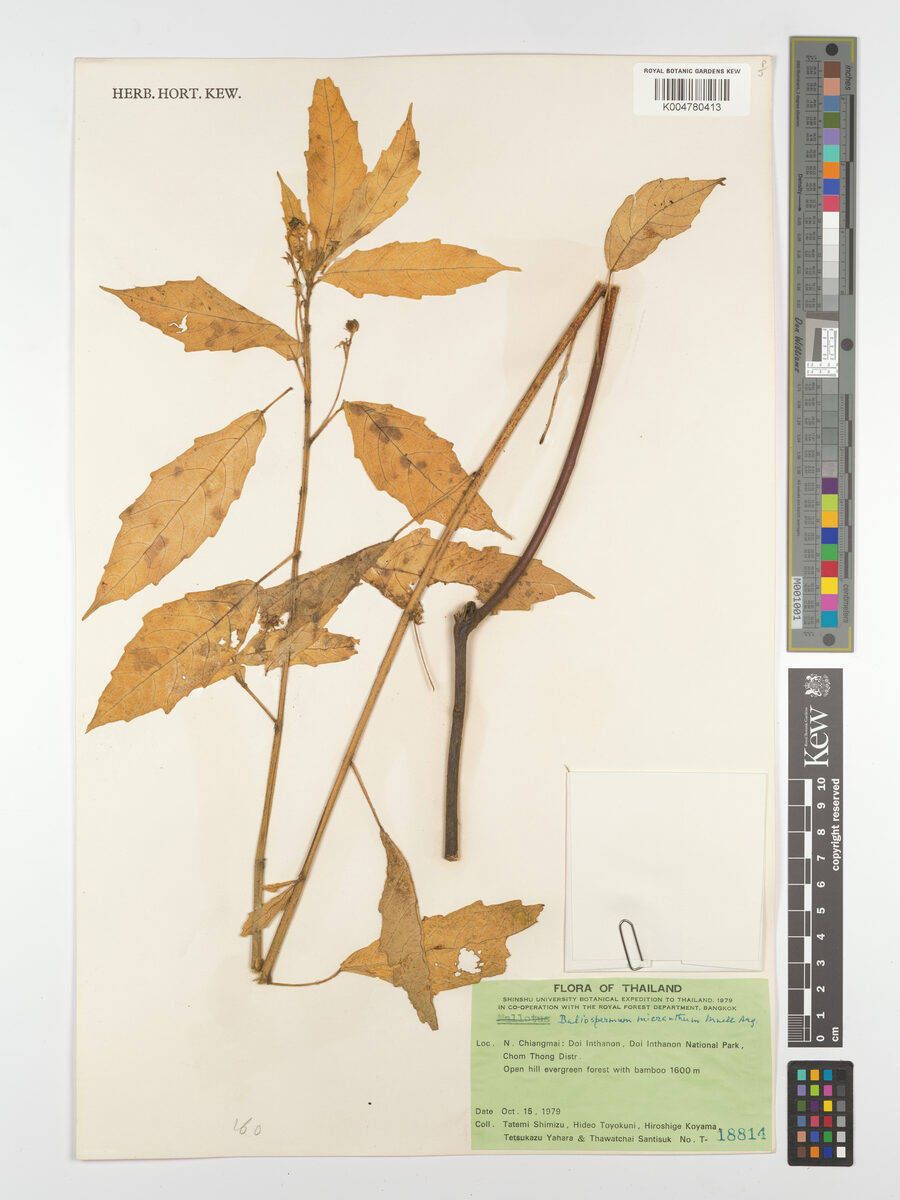
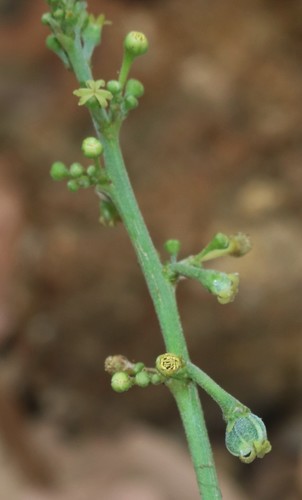
Croton reflexifolius
H. B. Kunth
Oliy
iNaturalist· cc-by-nc-sa
(c) Smithsonian Institution, National Museum of Natural History, Department of Botany, some rights reserved (CC BY-NC-SA)
iNaturalist· cc-by
(c) Neptalí Ramírez Marcial, some rights reserved (CC BY)
Description
A tropical shrub in the Euphorbiaceae family.
This description is brief — help expand it
Edible Uses
The leaves are eaten as a famine food. The bark is used as a flavouring.
Traditional Uses
The leaves are eaten as a famine food.
This uses section is brief — help expand it
Medicinal Uses
The strongly aromatic leaves are antiinflammatory, febrifuge and tonic. They are used as a home remedy for malaria, inflammations and other afflictions.
Distribution
A tropical plant.
Where It Grows
Central America, Mexico, North America, Yucatan,
Cultivation
Most Croton species are relatively indifferent to their habitat and can grow on a wide range of soils in both disturbed and undisturbed vegetation.
Other Uses
The plant is often used as a hedge and shelterbelt to protect coffee plantations in Central America.
Other Information
A famine food.
Notes
There are about 750 Croton species.
References (2)
- ALCORN,
- Kermath, B. M., et al, 2014, Food Plants in the Americas: A survey of the domesticated, cultivated and wild plants used for Human food in North, Central and South America and the Caribbean. On line draft. p 276