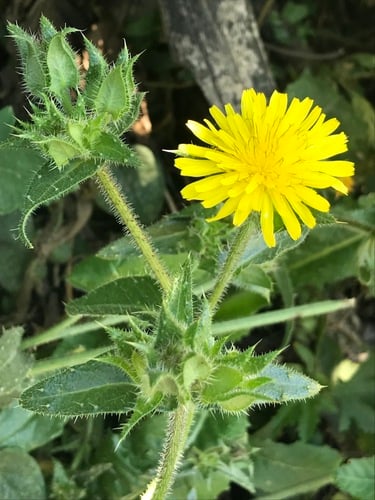
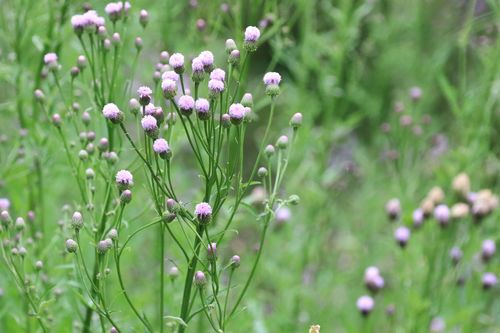
Madia glomerata
Hook.
Mountain Tarweed
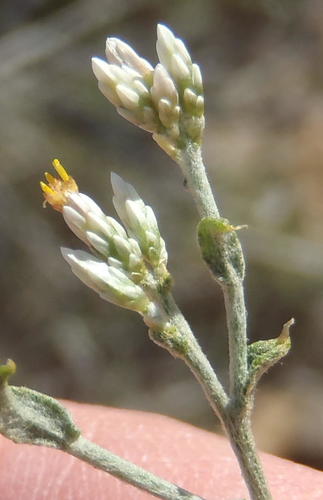
iNaturalist· cc-by-sa
(c) Matt Lavin, some rights reserved (CC BY-SA)
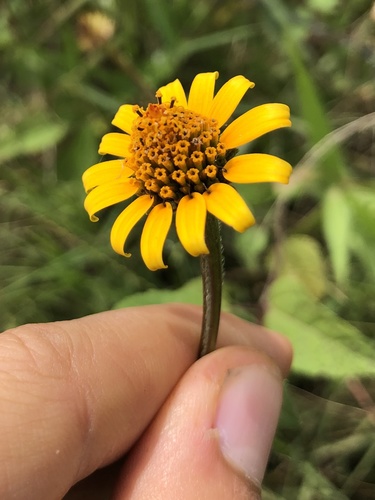
iNaturalist· cc-by-sa
(c) Matt Lavin, some rights reserved (CC BY-SA)
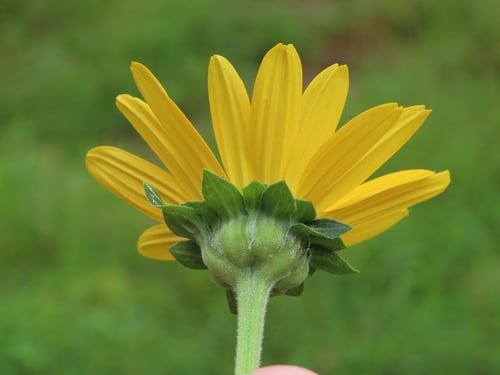
iNaturalist· cc-by-nc
(c) Stephen B. Brown, some rights reserved (CC BY-NC), uploaded by Stephen B. Brown
Description
Madia glomerata is a ANNUAL growing to 0.8 m (2ft 7in). It is in flower from July to August, and the seeds ripen from August to September. The species is monoecious (individual flowers are either male or female, but both sexes can be found on the same plant) and is pollinated by Insects. Suitable for: light (sandy), medium (loamy) and heavy (clay) soils and prefers well-drained soil. Suitable pH: mildly acid, neutral and basic (mildly alkaline) soils. It cannot grow in the shade. It prefers moist soil.
Edible Uses
Seed - raw or cooked. Rich in oil, it can be ground into a powder and eaten dry.
Medicinal Uses
VDAn infusion of the leaves and stems has been used as a herb bath in the treatment of venereal disease.
Distribution
Western N. America - British Columbia to Saskatchewan, south to California.
Where It Grows
NORTHERN AMERICA: Canada (Yukon, Saskatchewan, Alberta, British Columbia), United States (Alaska, Colorado, Idaho, Montana, Oregon, Washington, Wyoming, New Mexico, Arizona (north), California, Nevada, Utah)
Cultivation
Succeeds in any good garden soil. Prefers a deep open sharply drained soil in a sunny position. The flowers open in the morning or evening, closing when exposed to bright sunlight.
Propagation
Seed - sow in mid spring in situ and only just cover the seed. Germination should take place within a couple of weeks.
Other Uses
Incense. The dried herb has been burnt as an incense.