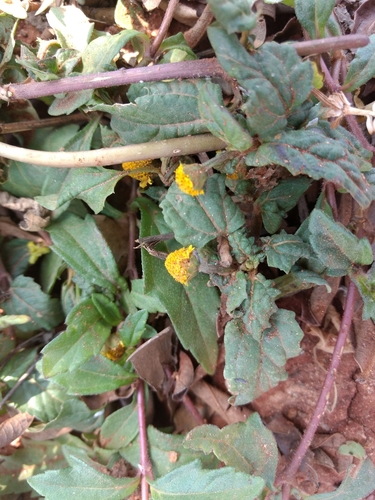
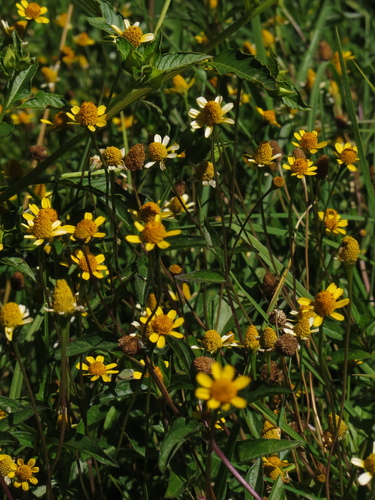
Madia elegans
D.Don.
Common Madia, Showy tarweed, Spring madia, Wheeler's tarweed
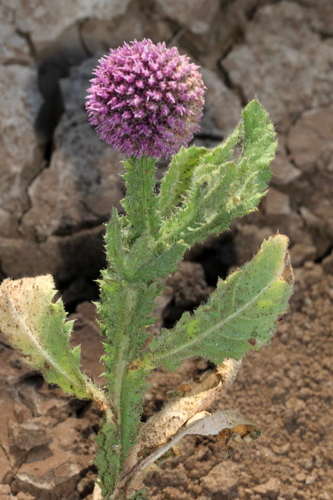
iNaturalist· cc-by-nc-sa
(c) randomtruth, some rights reserved (CC BY-NC-SA)
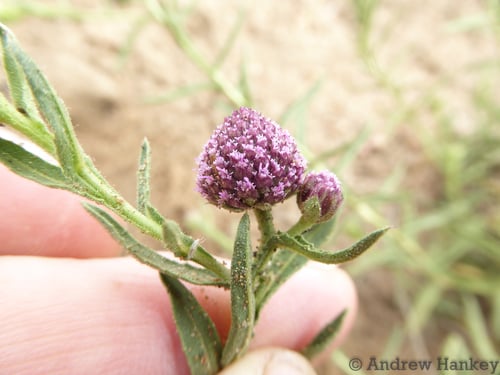
iNaturalist· cc-by-nc
(c) Sadie Hickey, some rights reserved (CC BY-NC), uploaded by Sadie Hickey
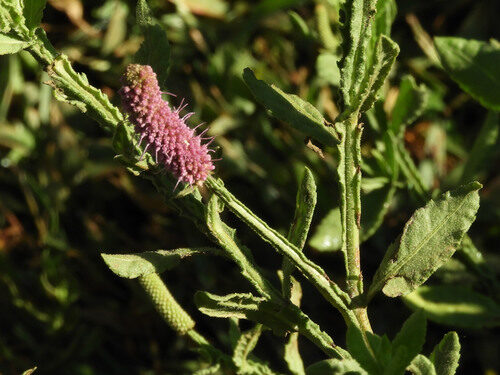
iNaturalist· cc-by-sa
(c) Dawn Endico, some rights reserved (CC BY-SA)
Description
Madia elegans is a ANNUAL growing to 1.5 m (5ft). It is in flower from July to August, and the seeds ripen from August to September. The species is monoecious (individual flowers are either male or female, but both sexes can be found on the same plant) and is pollinated by Insects. Suitable for: light (sandy), medium (loamy) and heavy (clay) soils and prefers well-drained soil. Suitable pH: mildly acid, neutral and basic (mildly alkaline) soils. It can grow in semi-shade (light woodland) or no shade. It prefers moist soil.
Edible Uses
Seed - raw or cooked. Although quite small, the seed was a staple food for some native North American Indian tribes. Rich in oil, it can be roasted then ground into a powder and eaten dry, mixed with water, or combined with cereal flours. The seed was also used as piñole.
Distribution
Western N. America.
Where It Grows
NORTHERN AMERICA: United States (Oregon, Washington, California, Nevada), Mexico (Baja California (Norte))
Cultivation
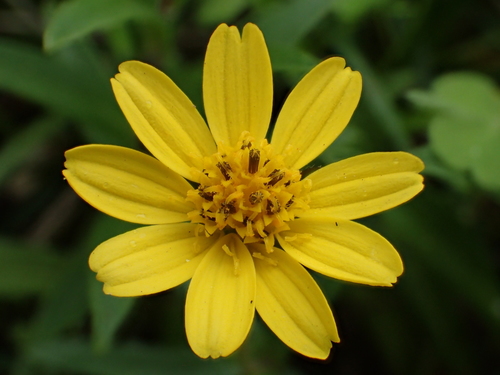
Succeeds in any good garden soil. Prefers a deep open sharply drained soil in a sunny position. Another report says that it is best in a shady position. The flowers open in the morning or evening, closing when exposed to bright sunlight.
Propagation
Seed - sow in mid spring in situ and only just cover the seed. Germination should take place within a couple of weeks.