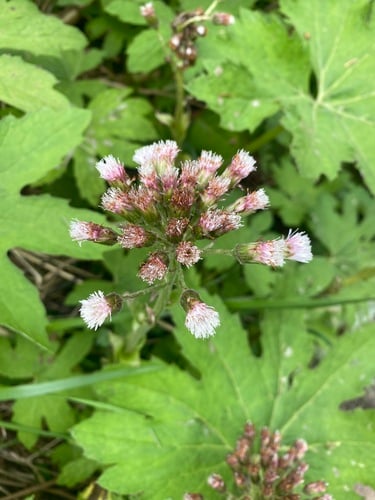
Dicoma tomentosa
Cass.
iNaturalist· cc-by-nc
(c) Bart Wursten, some rights reserved (CC BY-NC), uploaded by Bart Wursten
iNaturalist· cc-by-nc
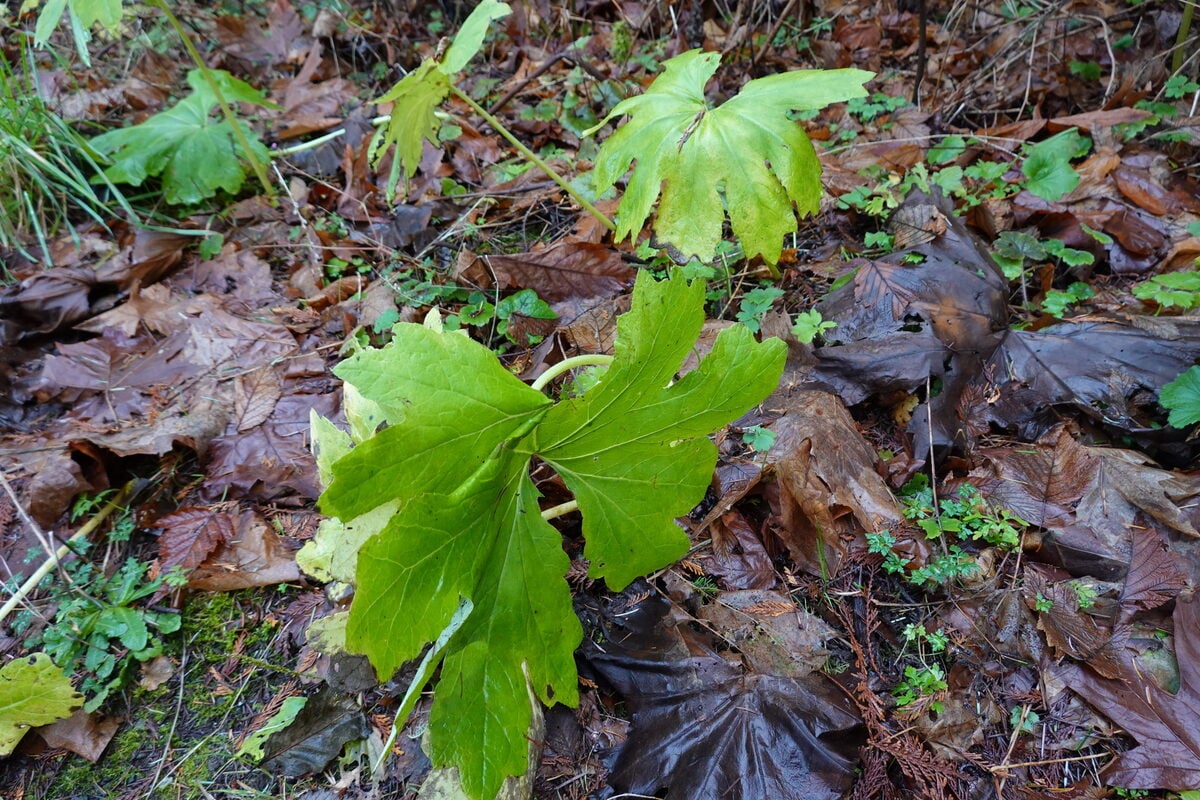
(c) Tony Benn, some rights reserved (CC BY-NC)
Description
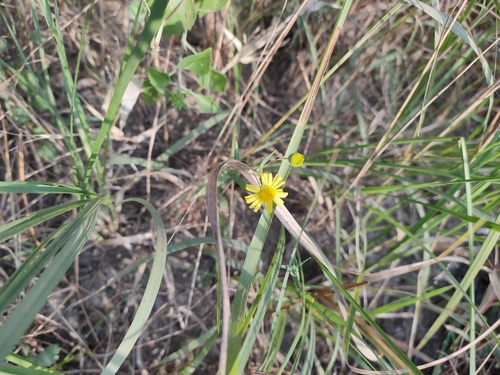
A herb. It grows 60 cm tall. It usually grows each year from seed. It has a woody base. The stems have a cottony coating. The leaves are narrow. They are 12-16 cm long by 1-2 cm wide. The flowers are in spiny heads and are pale pink.
Medicinal Uses
Used as an anti-malarial treatment.
Distribution
It is a tropical plant. It grows in dry grasslands and seasonally dry areas.
Where It Grows
Africa, Angola, Asia, Benin, Botswana, Burkina Faso, Cameroon, East Africa, Eritrea, Eswatini, Ethiopia, India, Kenya, Malawi, Mali, Mauritania, Mozambique, Myanmar, Namibia, Niger, Nigeria, Pakistan, Saudi Arabia, Senegal, Socotra, Somalia, South Africa, Southern Africa, Sudan, Swaziland, Tanzania, Togo, Uganda, West Africa, Yemen, Zambia, Zimbabwe,
Cultivation
A plant of lowland areas in the drier regions of the tropics and subtropics, where it is found at elevations below 800 metres.
Notes
It is used as an anti-malarial.
Synonyms
References (2)
- Mutie, F. M., et al, 2023, Important Medicinal and Food Taxa (Orders and Families) in Kenya, Based on Three Quantitative Approaches. Plants 2023, 12, 1145
- World Checklist of Useful Plant Species 2020. Royal Botanic Gardens, Kew