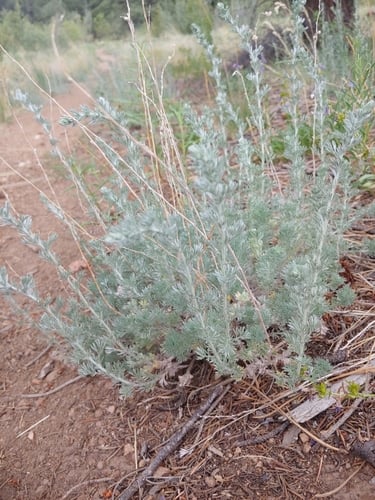
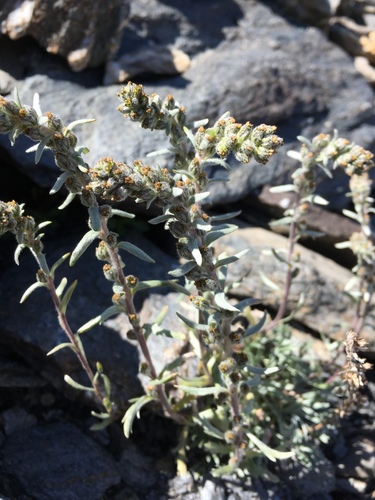
Helianthus doronicoides
Lam.
iNaturalist· cc-by-nc
(c) herbalexplorer, some rights reserved (CC BY-NC)
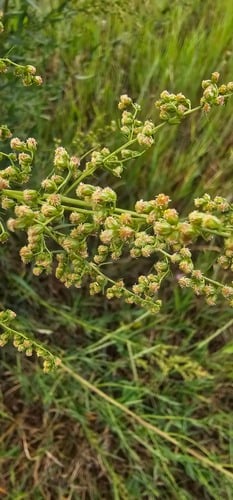
iNaturalist· cc-by-nc
(c) abelkinser, some rights reserved (CC BY-NC)
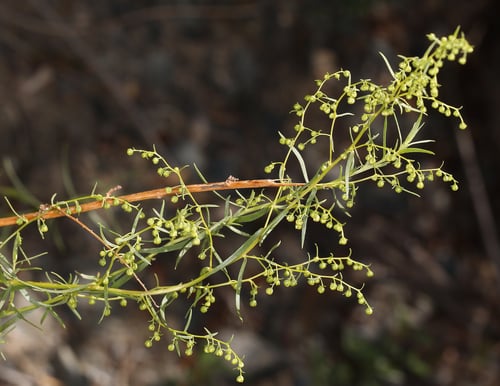
iNaturalist· cc-by-nc
(c) abelkinser, some rights reserved (CC BY-NC)
Summary
Source: WikipediaA tall perennial reaching 1.8 m (6 ft) high and 0.6 m (2 ft) wide. Flowers from September to October with seeds ripening from October to November. Hardy to UK zone 4. Hermaphroditic, pollinated by bees and flies. Grows in light sandy, medium loamy, and heavy clay soils with good drainage preferred. Suitable for mildly acidic, neutral, and mildly alkaline pH. Requires full sun and prefers moist soil.
Description
A tall perennial reaching 1.8 m (6 ft) high and 0.6 m (2 ft) wide. Flowers from September to October with seeds ripening from October to November. Hardy to UK zone 4. Hermaphroditic, pollinated by bees and flies. Grows in light sandy, medium loamy, and heavy clay soils with good drainage preferred. Suitable for mildly acidic, neutral, and mildly alkaline pH. Requires full sun and prefers moist soil.
Edible Uses
The tubers are edible when cooked. They have a similar taste to Jerusalem artichokes but are less productive, as the tubers are very thin.
Medicinal Uses
None known.
Distribution
It is a temperate plant.
Where It Grows
North America, USA,
Cultivation
Succeeds in most soils in a sunny position. Requires a rich soil. Dislikes shade. Plants have a running root system and can be invasive in suitable conditions. The young growth is extremely attractive to slugs, plants can be totally destroyed by them. Members of this genus are rarely if ever troubled by browsing deer or rabbits. Possibly a naturally occurring hybrid, H. giganteus x H. mollis.
Propagation
Sow seed in spring in a cold frame. When seedlings are large enough to handle, prick them out into individual pots and grow on in the greenhouse through their first winter. Plant out into permanent positions in late spring or early summer, after the last expected frosts. Divide plants in spring or autumn — larger clumps can go directly into permanent positions, though smaller clumps are best potted up and grown on in a cold frame until rooting well, then planted out in spring. For basal cuttings in spring, harvest shoots when about 10–15cm long with plenty of underground stem, pot into individual pots, and keep in light shade in a cold frame or greenhouse until rooting well before planting out in summer.
Other Uses
None known.
Notes
Almost all Helianthus (60 species) in N and S America are edible.
References (4)
- Beckstrom-Sternberg, Stephen M., and James A. Duke. "The Foodplant Database." http://probe.nalusda.gov:8300/cgi-bin/browse/foodplantdb.(ACEDB version 4.0 - data version July 1994)
- Hedrick, U.P., 1919, (Ed.), Sturtevant's edible plants of the world. p 338
- Kermath, B. M., et al, 2014, Food Plants in the Americas: A survey of the domesticated, cultivated and wild plants used for Human food in North, Central and South America and the Caribbean. On line draft. p 408
- Plants for a Future database, The Field, Penpol, Lostwithiel, Cornwall, PL22 0NG, UK. http://www.scs.leeds.ac.uk/pfaf/