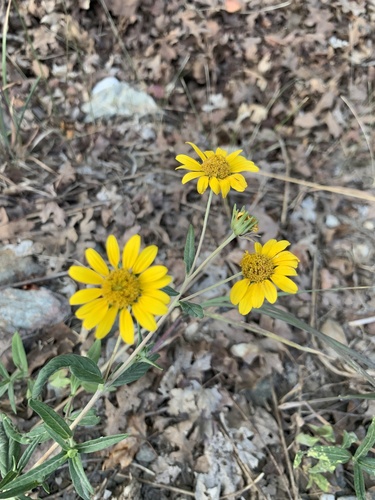
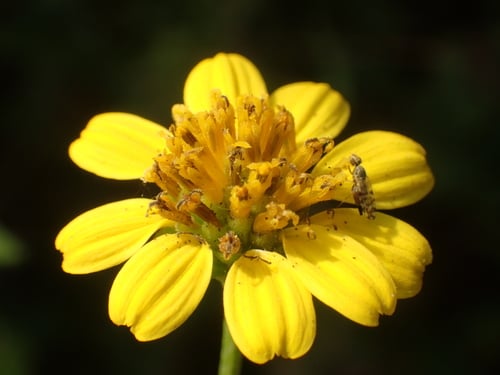
Helianthus cusickii
Gray
Cusick's sunflower
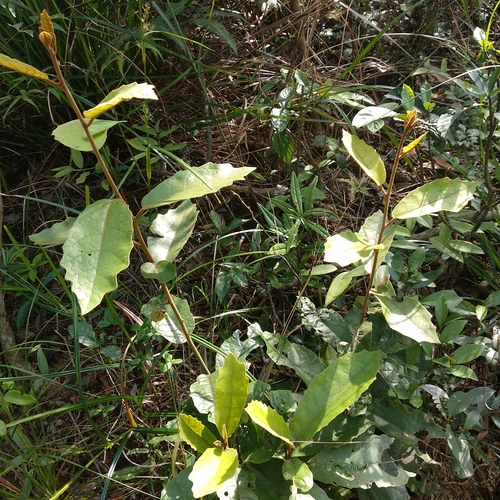
iNaturalist· cc-by-nc
(c) Janel Johnson, some rights reserved (CC BY-NC), uploaded by Janel Johnson
iNaturalist· cc-by-nc
(c) Corey Lange, some rights reserved (CC BY-NC), uploaded by Corey Lange
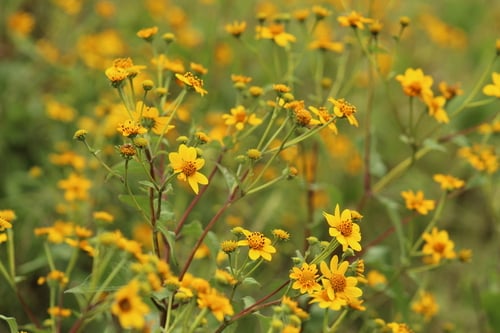
iNaturalist· cc-by-nc
(c) Tynan Ramm-Granberg, some rights reserved (CC BY-NC), uploaded by Tynan Ramm-Granberg
Summary
Source: WikipediaHelianthus cusickii is a species of sunflower known by the common names Cusick's sunflower and turniproot sunflower. It is native to the western United States from Washington, Oregon, Idaho, northern California, and northwestern Nevada. Helianthus cusickii grows in mountain forests and foothills. This wildflower is a perennial up to 120 cm (4 feet) tall, growing from a thick, fleshy taproot. The lance-shaped leaves reach 15 centimeters (6 inches) in length, and the stem and foliage are often covered in long hairs. The flower heads have a base of long, hairy green phyllaries. The center of the head is filled with at least 40 yellow disc florets surrounded by 12–16 ray florets. Some Plateau Indian tribes used the roots to treat erectile dysfunction, wasting, and tuberculosis.
Description
A fast-growing perennial reaching 0.6 m (2 ft) tall and 0.2 m (8 in) wide. Hardy to UK zone 8. Tolerates light sandy, medium loamy, and heavy clay soils including nutritionally poor soil, with good drainage preferred. Suitable for mildly acidic, neutral, and mildly alkaline pH. Requires full sun. Drought-tolerant and adapts to both dry and moist conditions. An arid western US mountain species adapted to poor soils but not boreal conditions.
Edible Uses
The roots are peeled and eaten raw. The plant is also being developed as a perennial crop for its oil-bearing seeds. It is regarded as a protein-oil staple crop — a food eaten routinely that accounts for a dominant part of the diet in certain regions. Helianthus cusickii is an arid western mountain species of the US, not tolerant of boreal conditions but capable of growing on poor soils. The Land Institute considers it part of a perennial polyculture system.
Traditional Uses
The roots are peeled and eaten raw.
This uses section is brief — help expand it
Medicinal Uses
The root was used by US Plateau Indian tribes to treat erectile dysfunction, wasting, and tuberculosis.
Distribution
It is a temperate plant.
Where It Grows
North America, USA,
Cultivation
Management: Standard Staple Crop: Protein-oil Under Development. Climate: cold to warm temperate. Humidity: arid to semi-arid. A perennial wildflower herb. Poor soils. Flowering Time: Late Spring, Early Summer. Cultivation: under development. Management: standard (Describes the non-destructive management systems that are used in cultivation).
Propagation
Propagate by seed.
Other Uses
Oil is obtained from the plant, though no further specific uses are recorded.
Synonyms
Also Known As
Helianthus Species, Cusick's Sunflower, Turniproot Sunflower
References (1)
- Moerman, D. F., 2010, Native American Ethnobotany. Timber Press. p 258