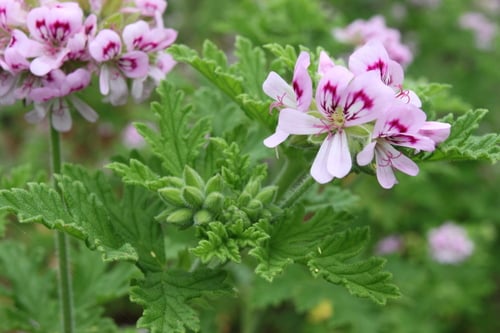
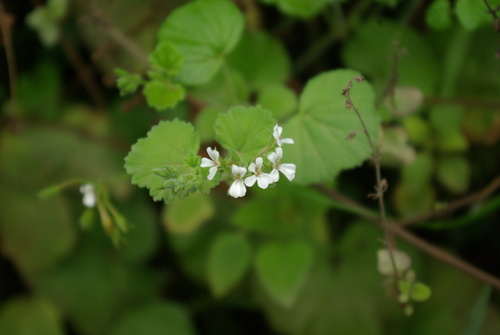
Erodium stephanianum
Willd.
Stephen's storksbill
iNaturalist· cc-by-nc
(c) vandandorj, some rights reserved (CC BY-NC), uploaded by vandandorj
iNaturalist· cc-by-nc
(c) Pyak Andrei, some rights reserved (CC BY-NC)
Summary
An annual herb reaching 0.6 m in height. Hermaphroditic and insect-pollinated. Prefers light sandy or medium loamy, well-drained soils with neutral to mildly alkaline pH. Cannot tolerate shade and adapts to both dry and moist soils.
Description
A herb. It grows 20-50 cm tall. There are several stems. The leaves are 4-7 cm long. They are divided into leaflets.
This description is brief — help expand it
Edible Uses
None known
Medicinal Uses
The aerial parts of the plant are antirheumatic, antiseptic, and astringent, used in the treatment of acute and chronic rheumatalgia, diarrhoea, dysentery, and enteritis. The plant has also shown antibacterial activity against Staphylococcus aureus, streptococci, Pneumococci, and Shigella flexneri. A paste of the plant is applied externally to treat gout.
Distribution
It is a temperate plant.
Where It Grows
Asia, China, Mongolia, Pakistan,
Cultivation
We have very little information on this species and do not know if it will be hardy in Britain, though judging by its native range it should succeed outdoors in many parts of the country. The following notes are based on the general needs of the genus. Prefers a sunny well-drained position and a limy soil or at least one that is not acid.
Propagation
Sow seed in situ as soon as it is ripe in late summer, or alternatively in late spring. It usually germinates readily.
Other Uses
A green dye can be obtained from the whole plant and requires no mordant.
Synonyms
References (2)
- https://en.wikipedia.org/wiki/List of wild edible plants in Mongolian cuisine
- Sachula, et al, 2020, Wild edible plants collected and consumed by the locals in Daqinggou, Inner Mongolia, China. Journal of Ethnobiology and Ethnomedicine (2020) 16:60