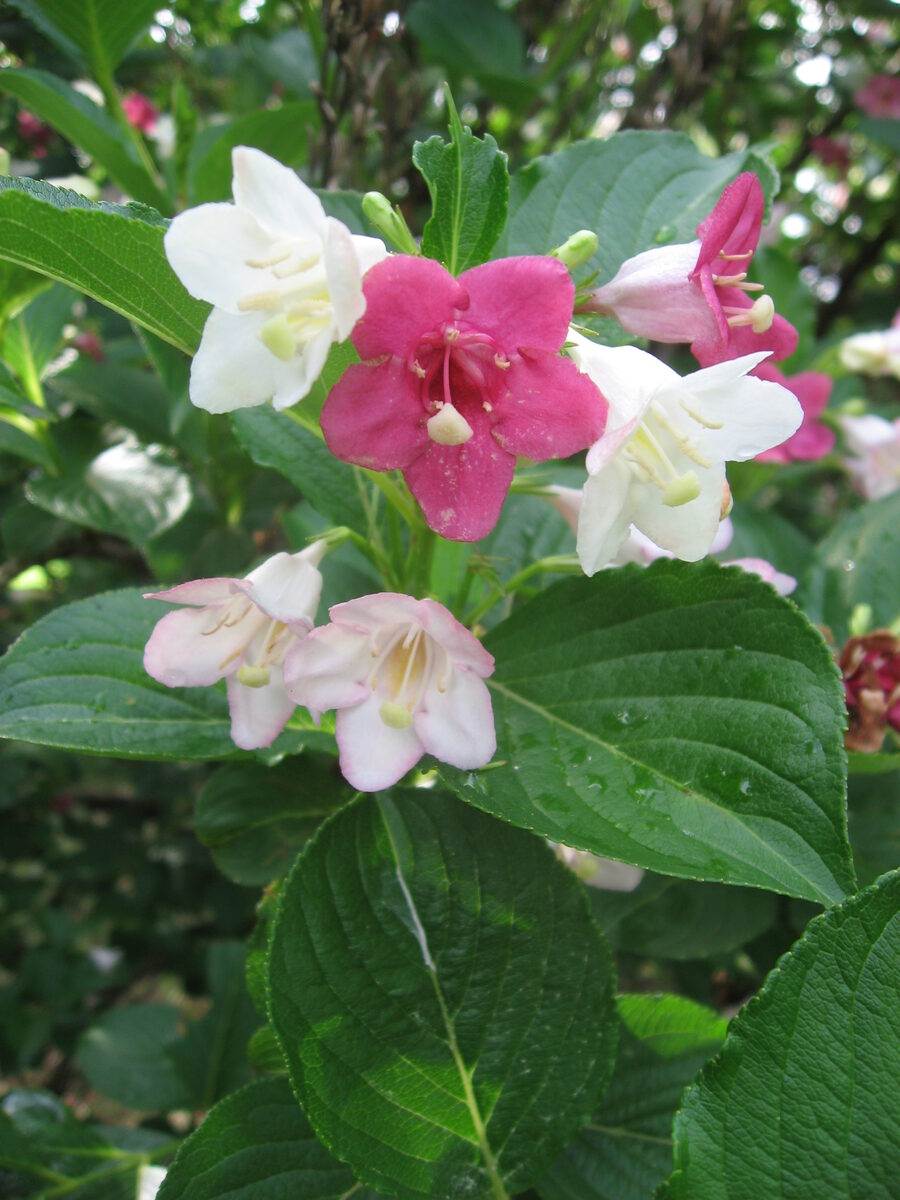
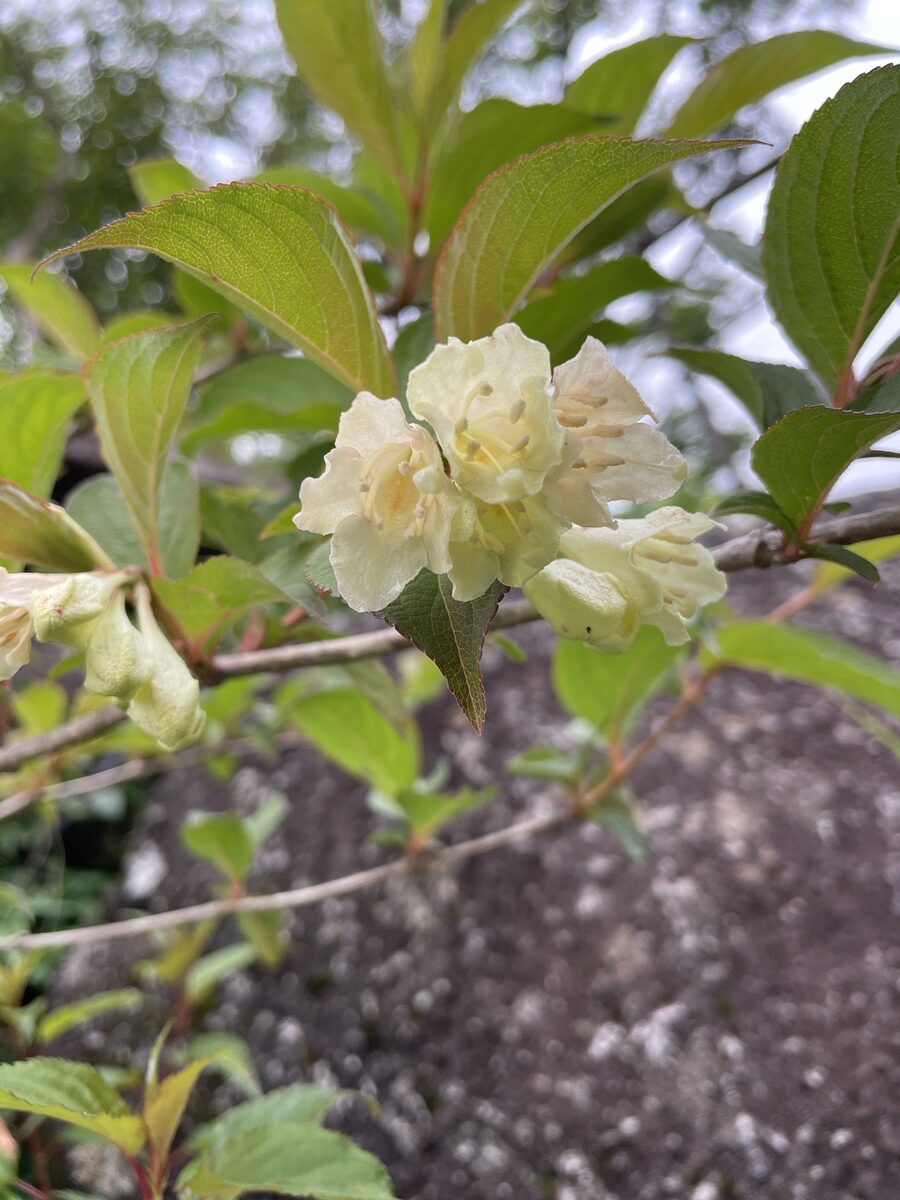
Lonicera caerulea var. edulis
Turcz. ex Herder
Edible honeysuckle
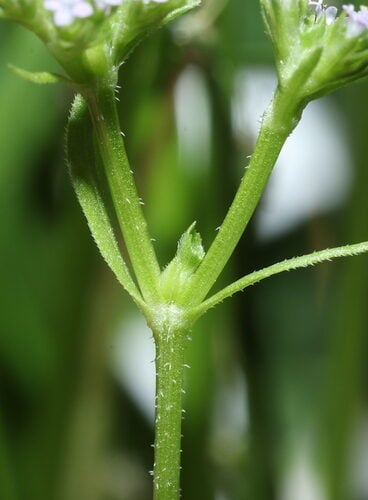
iNaturalist· cc-by-nc-sa
(c) 2008 Barry Breckling, some rights reserved (CC BY-NC-SA)
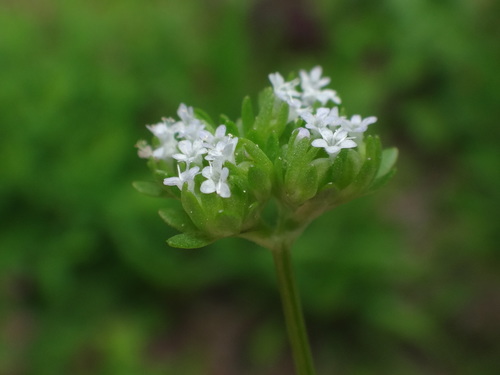
iNaturalist· cc-by-nc
(c) Séraphin Poudrier, some rights reserved (CC BY-NC)
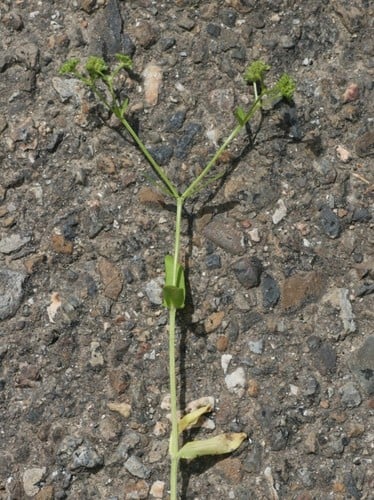
iNaturalist· cc-by-nc
(c) Séraphin Poudrier, some rights reserved (CC BY-NC)
Summary
Source: WikipediaLonicera caerulea, commonly known as honeyberry or by various honeysuckle names, is a non-climbing honeysuckle native throughout the cool temperate Northern Hemisphere regions of North America, Europe, and Asia. The plant or its fruit has also come to be called haskap, derived from its name in the language of the native Ainu people of Hokkaido, Japan.
Description
A cool temperate shrub in the Caprifoliaceae family (edible honeysuckle) suited to hardiness zone 3.
This description is brief — help expand it
Edible Uses
The fruit is edible.
Medicinal Uses
Over centuries in East Asian countries, Lonicera caerulea has been used for supposed therapeutic applications in traditional medicine.
Distribution
It is a cool temperate plant. It suits hardiness zone 3.
Where It Grows
Asia, Britain, Canada, China, Czech, Europe, Japan, Korea, Lithuania, North America, Russia, Slovakia, Ukraine, USA,
Synonyms
References (6)
- GBIF
- Heywood, V.H., Brummitt, R.K., Culham, A., and Seberg, O. 2007, Flowering Plant Families of the World. Royal Botanical Gardens, Kew. p 87
- Jackes, D. A., Edible Forest Gardens
- Jurikova, T., et al, 2012, Phenolic Profile of Edible Honeysuckle Berries (Genus Lonicera) and Their Biological Effects. Molecules, 2012, 17:61-79 (As Lonicera edulis)
- Oesterr. Bot. Z. 52:111. 1902 (Turczaninow, Bull. Soc. Imp. Naturalistes Moscou 18(1,2):306. 1845, pro syn.)
Show all 6 references Hide references
- Wiersema, J. H. & Leon, B., 2013, World Economic Plants. A Standard Reference CRC Press. 2nd Ed. p 413