Bituminaria bituminosa
(L.) C. H. Stirt.
iNaturalist· cc-by-nc
(c) eugenevs, some rights reserved (CC BY-NC)
iNaturalist· cc-by-nc
(c) lamprisdimitris, some rights reserved (CC BY-NC)
iNaturalist· cc-by-nc
(c) Antti Henttonen, some rights reserved (CC BY-NC), uploaded by Antti Henttonen
Summary
Source: WikipediaBituminaria bituminosa, the Arabian pea or pitch trefoil, is a perennial Mediterranean herb species in the genus Bituminaria. The pterocarpans bitucarpin A and B can be isolated from the aerial parts of B. bituminosa. It has several potential uses: (i) forage crop, (ii) Phytostabilization of heavy metal contaminated or degraded soils, (iii) Synthesis of furanocoumarins (psoralen, angelicin, xanthotoxin and bergapten), compounds of broad pharmaceutical interest. It is easily recognizable by the characteristic smell of bitumen from its leaves. This strong tar-like characteristic aroma appears to be the result of a combination of several substances such as phenolics, sulphurated compounds, sesquiterpenes and probably short-chain hydrocarbon. Total polyphenols content was < 2% and the condensed tannins was <0.8% in a dry weight basis.
Description
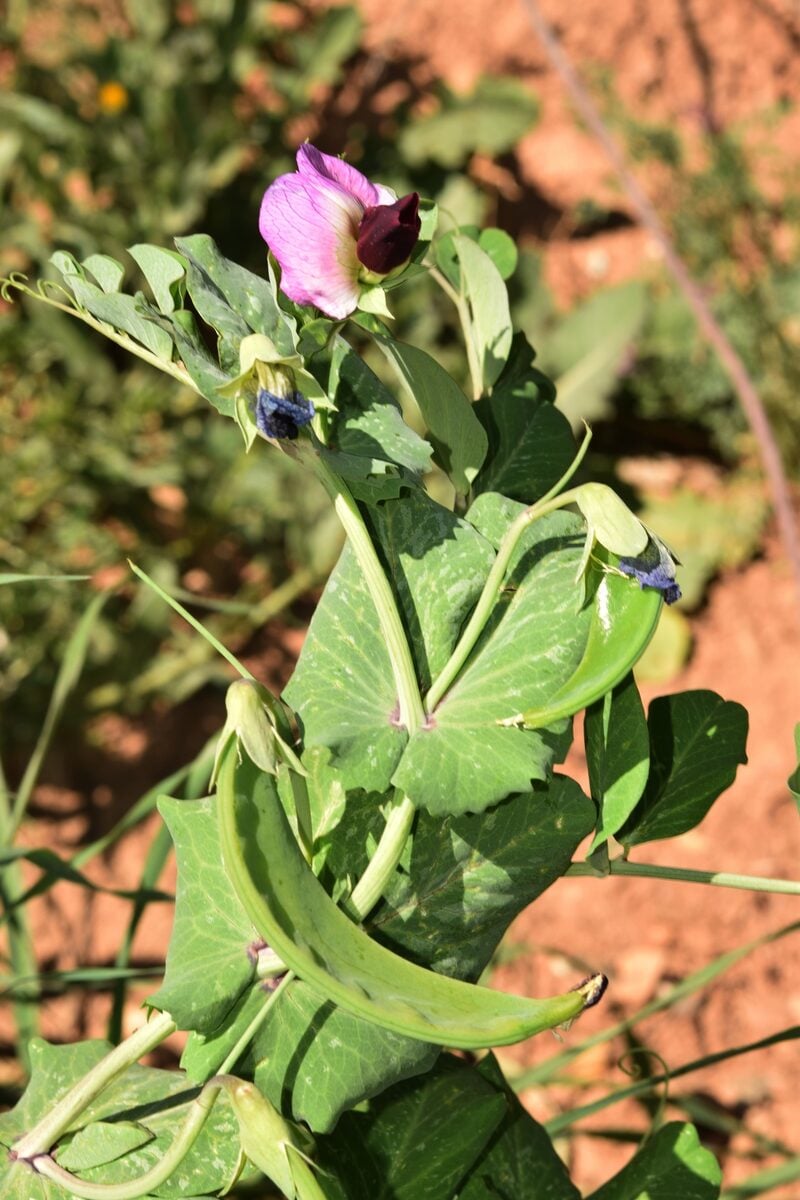
A herb. It does not have a stem. The leaves have 3 leaflets with teeth along the edge. The flowers are on long stalks.
This description is brief — help expand it
Edible Uses
The leaves and flowers are eaten.
Distribution
It is a temperate plant.
Where It Grows
Africa, Europe, South Africa, Spain, Turkey, Türkiye,
Synonyms
Also Known As
Angelota, Asfaltotu
References (2)
- Blanco-Salas, J., et al, 2019, Wild Plants Potentially Used in Human Food in the Protected Area “Sierra Grande de Hornachos” of Extremadura (Spain). Sustainability 2019, 11, 456
- Ertug, F, Yenen Bitkiler. Resimli Türkiye Florası -I- Flora of Turkey - Ethnobotany supplement