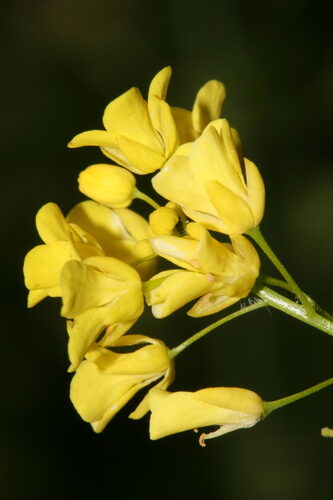
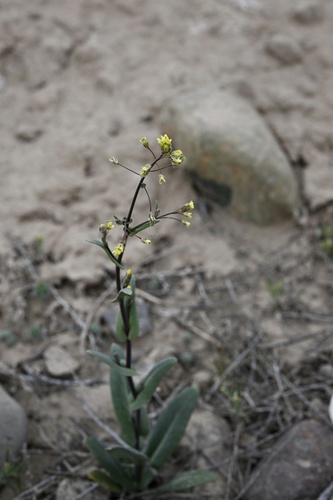
Crambe abyssinica
Hochst ex R.E. Fries
Abyssinian kale, Crambe
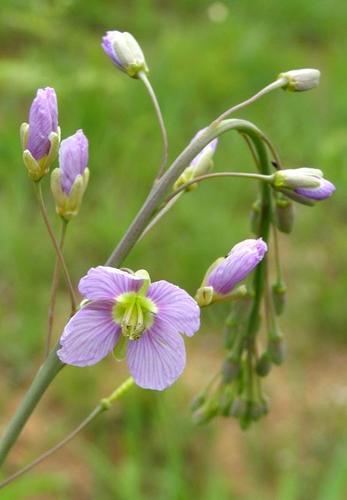
iNaturalist· cc-by-nc
(c) dmitry tretjakov, some rights reserved (CC BY-NC)
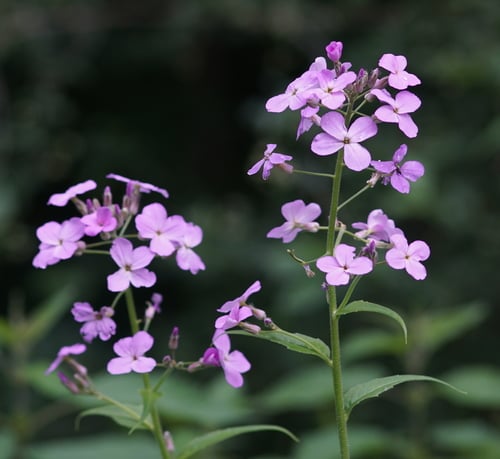
iNaturalist· cc-by-nc
(c) dmitry tretjakov, some rights reserved (CC BY-NC)
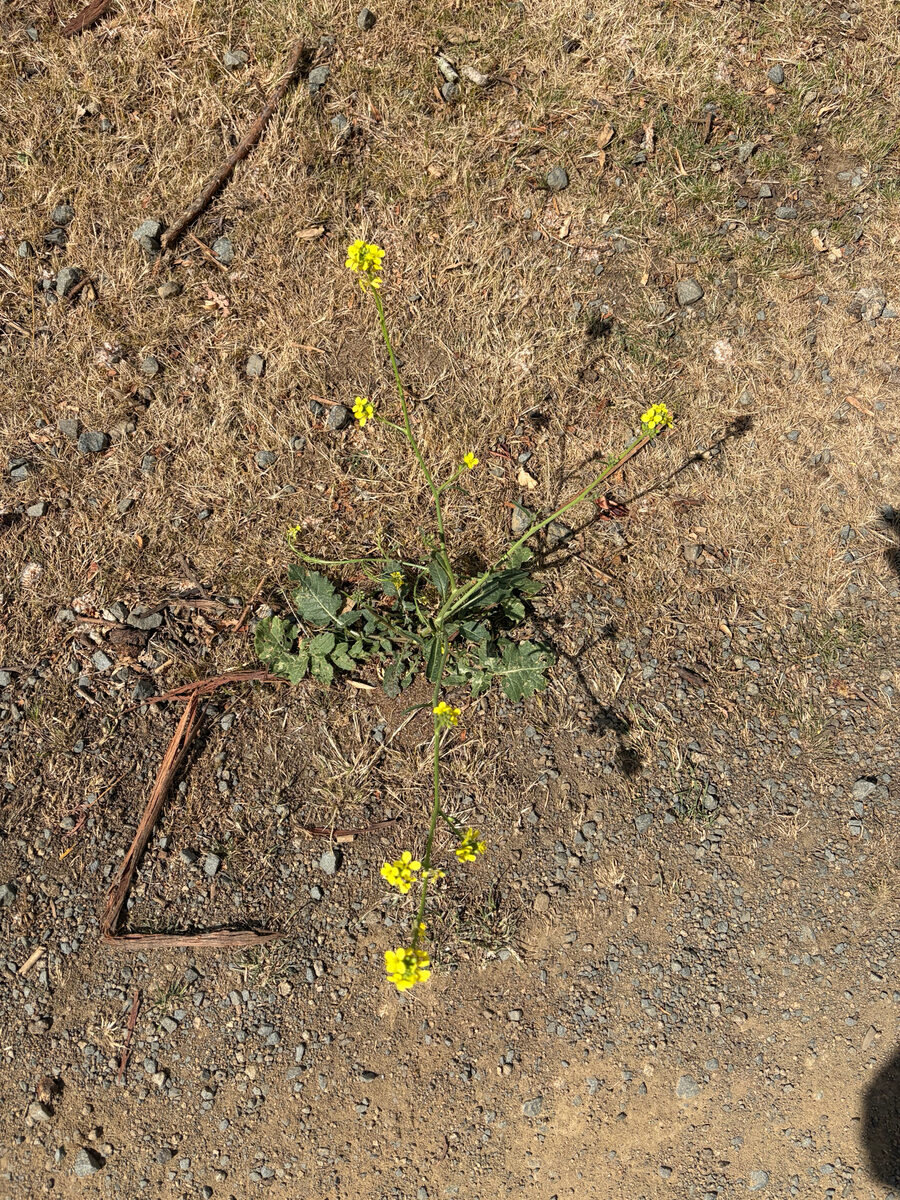
wikimedia· cc-by-sa
Wikimedia Commons - Kurt Stüber [1]
Summary
Source: WikipediaCrambe abyssinica is an annual oilseed crop of the family Brassicaceae. It is mainly cultivated due to the high levels of erucic acid that are contained in its seeds. The crambe oil is used for industrial purposes and its side products can be partly used as animal feed.
Description
Annual plant growing to 1 m tall. Hermaphroditic with insect pollination and self-fertile. Hardy to UK zone 10. Adapts to light sandy, medium loamy, and heavy clay soils across mildly acid to mildly alkaline pH. Grows in semi-shade or full light and prefers moist soil.
Edible Uses
The seed yields an oil, and the leaves are also edible.
Medicinal Uses
The fruits are used in traditional medicine to treat snake bites.
Known Hazards
Crambe abyssinica is cultivated for a wide range of industrial purposes. The interest lies mainly in the high erucic acid content (55-60%) of its seed oil, and makes the crop a competitive option to other oil plants as industrial rapeseed. The composition of crambe oil gives this product several special traits, such as high smoke point, good wettability of different materials and high viscosity. In addition, its oil has a higher biodegradability than mineral oils. Therefore, erucic acid derived compounds are used as additives in the plastic industry, high temperature hydraulic fluids, waxes, base for paints and coatings, lubricants and many other products. Furthermore, the extracted seed oil is used in pharmaceutical products and cosmetics. The crambe meal, which is a side product of industrial oil production, can be used as a protein supplement for animal feed. It contains approximately 46% proteins, which are of high nutritional quality. Unfortunately, the crambe seed shred also contains toxic compounds such as glucosinolates, tannins and inositol phosphate. The use as forage is therefore very limited. The incorporation rate of crambe by-products into animal feed should not be higher than 5% for growing-finishing pigs, 15% for dairy cows, and 19% for sheep. It is not recommended to feed poultry. A possible new use for crambe could be biofuels since the oil composition is suitable for processing.
Distribution
A Mediterranean climate plant. It can tolerate frost and drought.
Where It Grows
Africa, Australia, Brazil, East Africa, Ethiopia, Kenya, North America, Turkey, USA, Türkiye,
Cultivation
The plant can be cultivated as a spring-sown crop in the temperate zone and also succeeds right through to the tropics, where it can be grown at elevations from sea level up to 2,500 metres. It grows best in areas where annual daytime temperatures are within the range 15 - 25°c, but can tolerate 10 - 35°c. Seedlings can survive temperatures down to -4 or even -6°c for short periods, but at all later stages of growth -1°c may kill the plant. It prefers a mean annual rainfall in the range 800 - 1,500mm, but tolerates 700 - 2,500mm. Requires a sunny position. The plant does best on medium-light to heavy soils that are fertile and well drained, though poor sandy soils may be used if nutrients are provided. Moderately tolerant of saline soils. Prefers a pH in the range 6 - 7.5, tolerating 5 - 8. Drought stress during flowering or seed set can reduce yields and lower the oil content of the seeds. However the penetrating tap root can reach depths of over 15cm, enabling the plant to be relatively drought resistant later in the season. Plants take from 83 - 105 days from sowing to harvesting the seed. The first-formed pods usually remain on the stalks until the last-formed pods mature, making harvesting the seeds easier. One plant may produce 530 - 1,840 fruits. Seed yields vary widely, with 1,125 - 1,624 kg/ha being obtained in Russia and 450 - 2,522 kg/ha in the United States. In irrigated fields, with additional nitrogen, yields up to 5 tonnes/ha have been attained. Test plantings in Russia, under a wide variety of ecological conditions, gave oil contents of 25 - 33% for the seed with hulls (dehulled seeds reached 54%). The plant fares poorly where weeds are a problem. Newer cultivars have more tolerance to lower temperatures, with some varieties in Britain having tolerated a few hours with temperatures slightly below freezing without harmful effects upon overall yields.
Propagation
The plant has orthodox seeds with usually about 4 months of dormancy. Once dormancy is broken, seeds germinate in 1–2 weeks at temperatures between 10–20°c. Germination is retarded below 8°c and inhibited below 5°c. Early growth is rapid, with plants reaching the 2-leaf stage 6–12 days after germination and the 6-leaf stage after 15–27 days.
Other Uses
Crambe meal is used in crop rotations to help alleviate weed, pest, and disease build-up. The seed oil is rich in erucic acid and is used for lighting and making plastics. It is the cheapest known source of erucic acid, which outperforms any known material as a mould lubricant in continuous steel casting. It is also used in producing 'Nylon 1313', a tough nylon used for moulded plastic articles such as bearings and heavy brush fibres, as an additive in plastic films to prevent sheets from sticking together, and in plasticizers to maintain flexibility. Crambe meal — the residue after oil extraction — is used as a plywood and rubber adhesive, as a source of protein isolates, as an additive to waxes, and as an insecticide. The plant also shows strong potential for phytoremediation of contaminated soils. In trials, plants grown hydroponically and treated with 10 or 20 mg/L arsenate for two weeks showed reduced growth at 20 mg/L but lacked severe toxicity symptoms, with arsenic accumulation in leaves reaching 82±28 mg/dry g after two weeks at 10 ppm arsenate.
Other Information
It is cultivated
Notes
There are about 20 Crambe species.
Nutrition
| Part | Moisture | kJ | kcal | Protein | Vit A | Vit C | Iron | Zinc |
|---|---|---|---|---|---|---|---|---|
| Leaves raw | 89 | 134 | 32 | 4.2 | — | — | 2.9 | — |
Synonyms
Also Known As
Abyssinian Kale, Crambe
References (8)
- Flora of Australia, Volume 8, Lecythidales to Batales, Australian Government Publishing Service, Canberra (1982) p 250
- Food Composition Tables for use in Africa FAO http://www.fao.org/infoods/directory No. 589
- Grivetti, L. E., 1980, Agricultural development: present and potential role of edible wild plants. Part 2: Sub-Saharan Africa, Report to the Department of State Agency for International Development. p 44
- Jardin, C., 1970, List of Foods Used In Africa, FAO Nutrition Information Document Series No 2.p 70
- Lazarides, M. & Hince, B., 1993, Handbook of Economic Plants of Australia, CSIRO. p 66
Show all 8 references Hide references
- Martin, F.W. & Ruberte, R.M., 1979, Edible Leaves of the Tropics. Antillian College Press, Mayaguez, Puerto Rico. p 188
- Molla, A., Ethiopian Plant Names. http://www.ethiopic.com/aplants.htm
- Wiss. Ergebn. Schwed. Rhod.-Kongo Exped. 1:54. 1914