Crambe kilimandscharica
O. E. Schulz
Seakale
gbif· cc-by-nc-sa
MBG
gbif· cc-by-nc-sa
MBG
gbif· cc-by
Royal Botanic Gardens, Kew
Description
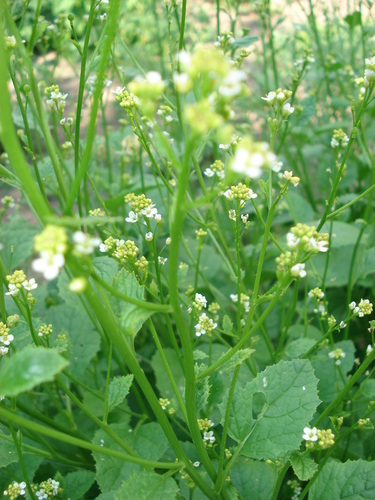
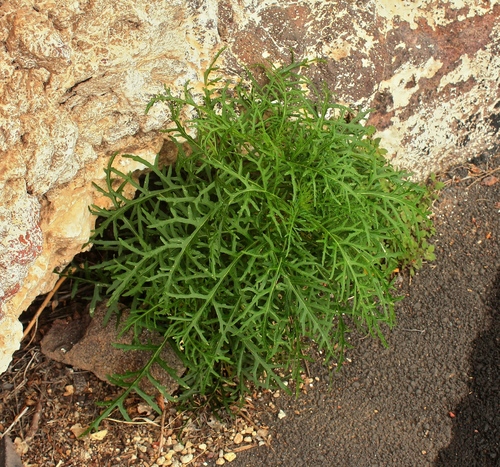
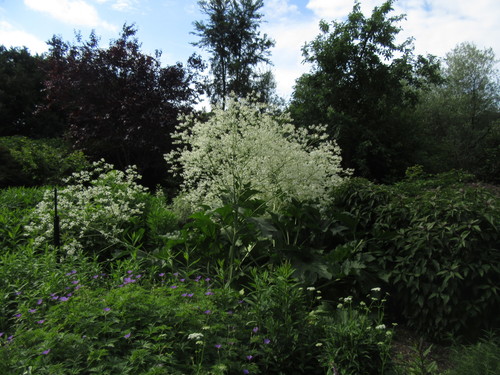
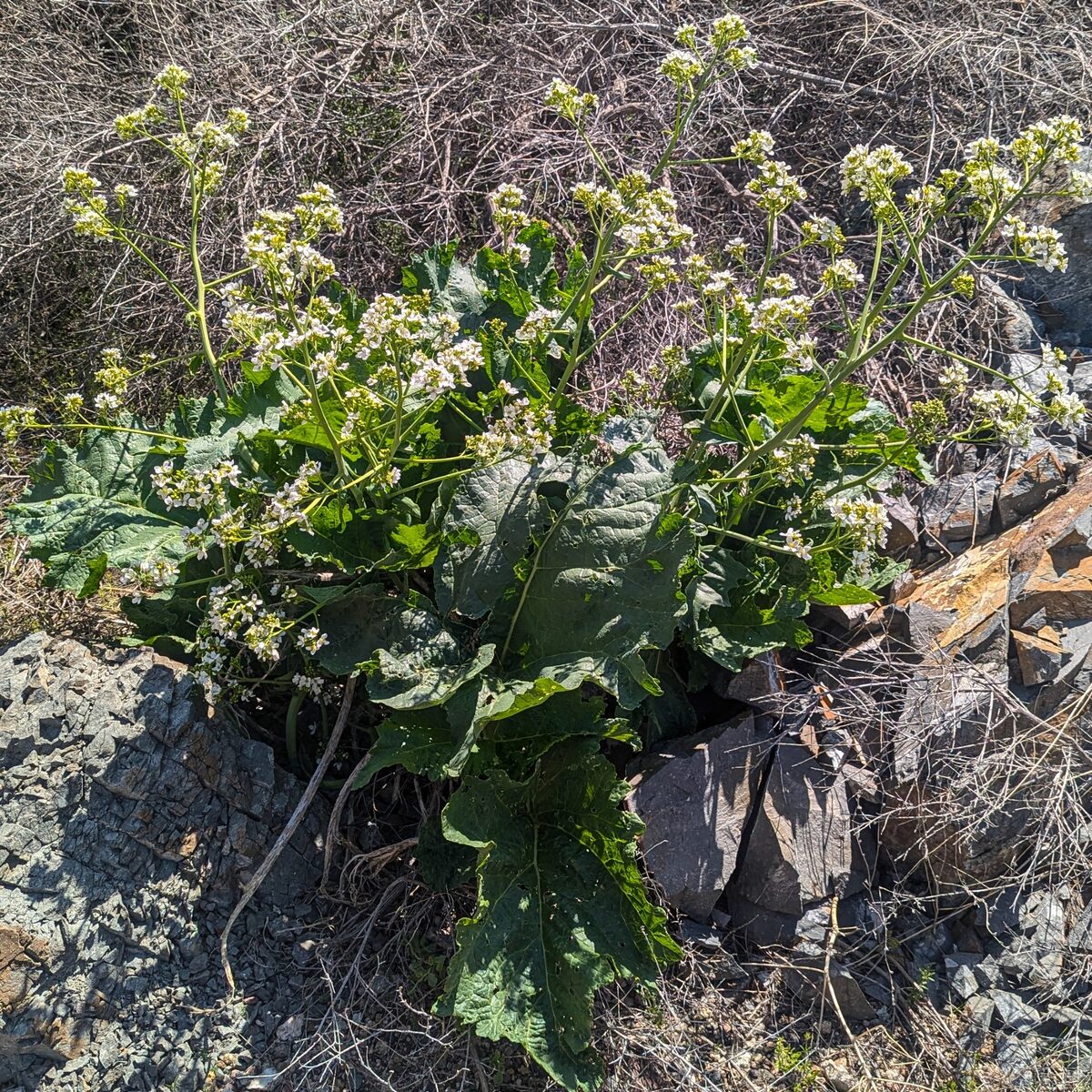
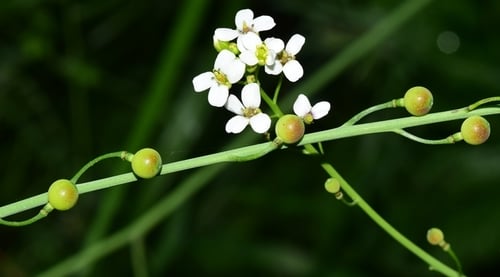
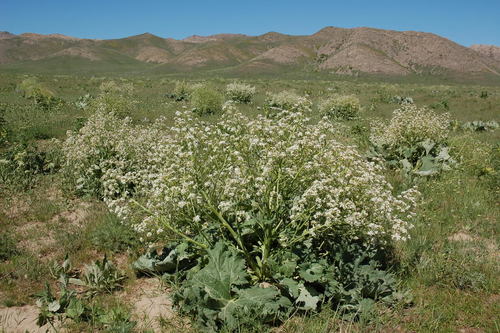
A cabbage family herb. It is an annual herb. It grows 1 m high. The stems are erect and ribbed. It branches in the upper part. The lower leaves are 5-10 cm long by 3-6 cm wide. They are lyre shaped and with 2-3 pairs of side segments. The upper part of the fruit has 4 ribs. They are 3-4 mm long by 2-3 mm wide.
Edible Uses
Both the plant and fruit are edible, with children traditionally eating the small fruits (3-4 mm long by 2-3 mm wide).
Distribution
A tropical plant. It grows in grasslands at 1,200-1,300 m above sea level in East Africa.
Where It Grows
Africa, Central Africa, Congo DR, East Africa, Ethiopia, Ghana, Kenya, Rwanda, Tanzania, Uganda, West Africa,
Other Information
Children eat the fruit.
Notes
There are about 20 Crambe species.
References (4)
- Bot. Jahrb. Syst. 54(Beibl. 119):54. 1916
- Burkill, H. M., 1985, The useful plants of west tropical Africa, Vol. 1. Kew.
- Jardin, C., 1970, List of Foods Used In Africa, FAO Nutrition Information Document Series No 2.p 70
- World Checklist of Useful Plant Species 2020. Royal Botanic Gardens, Kew